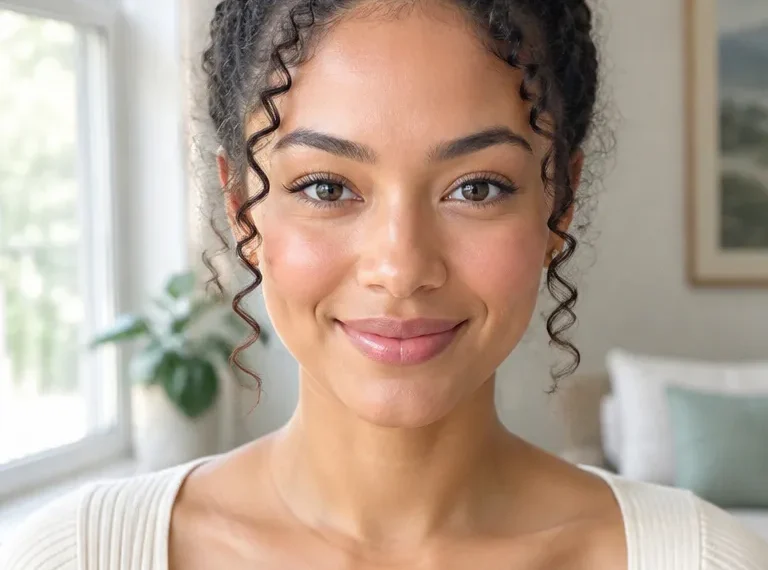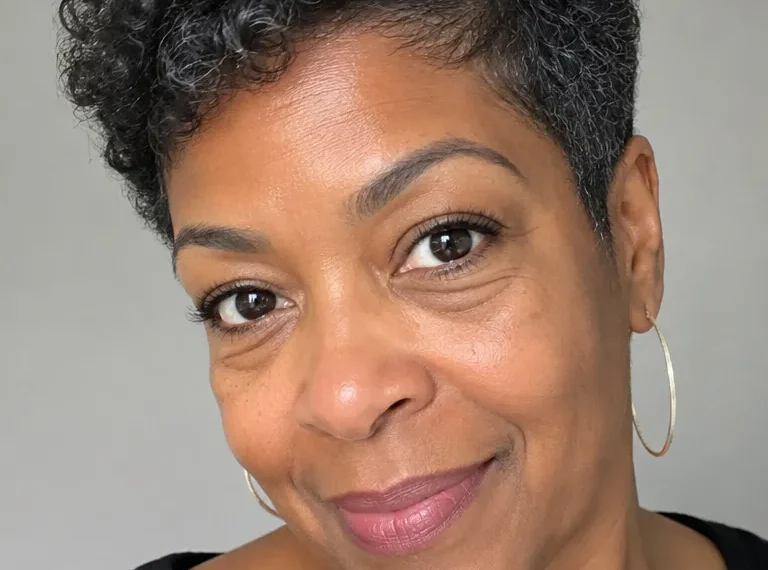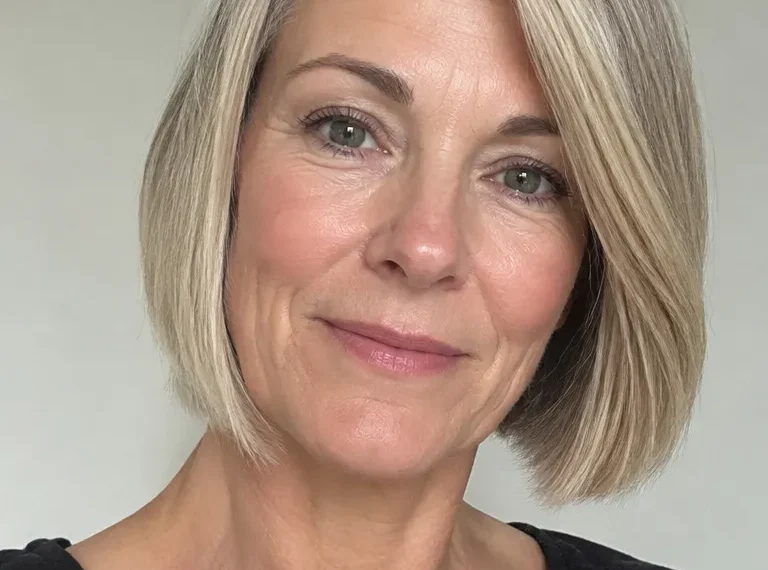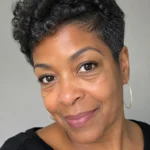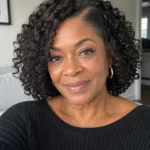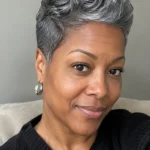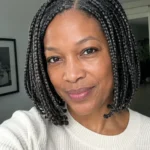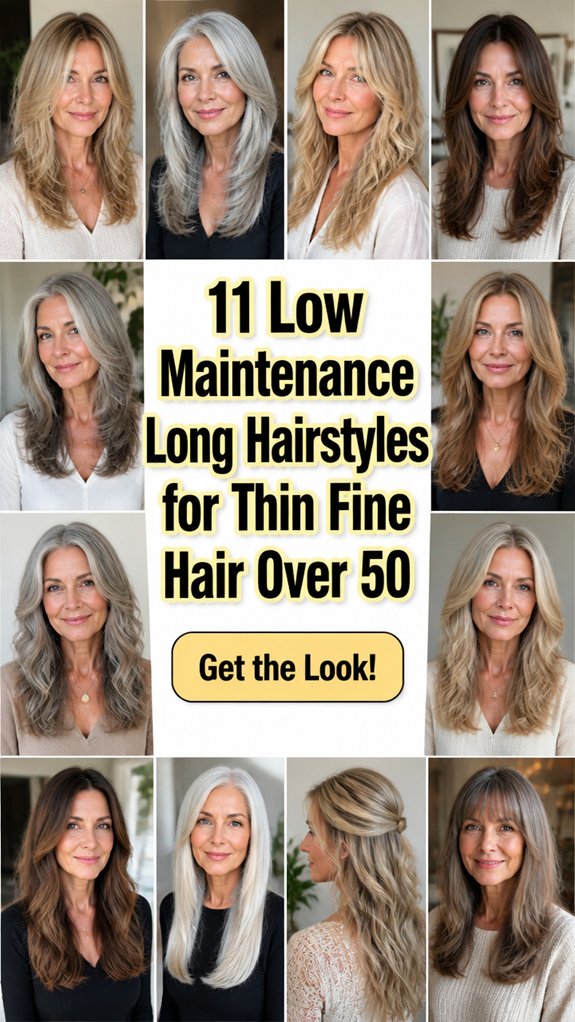
You can wear low-maintenance long styles that add fullness to thin, fine hair over 50, start with long layers, a long bob-to-long cut around the collarbone, or a soft feathered mullet for a fuller crown and longer back. Add curtain or lightly feathered front pieces, use root padding plus a volumizing mist, and only condition mid-lengths. For styling, do a soft blowout with lifted roots and rolled-under ends, then trim every 8 to 12 weeks to keep ends light, there’s more to try that fits your hair.
Best Low-Maintenance Long Cuts for Thin Fine Hair
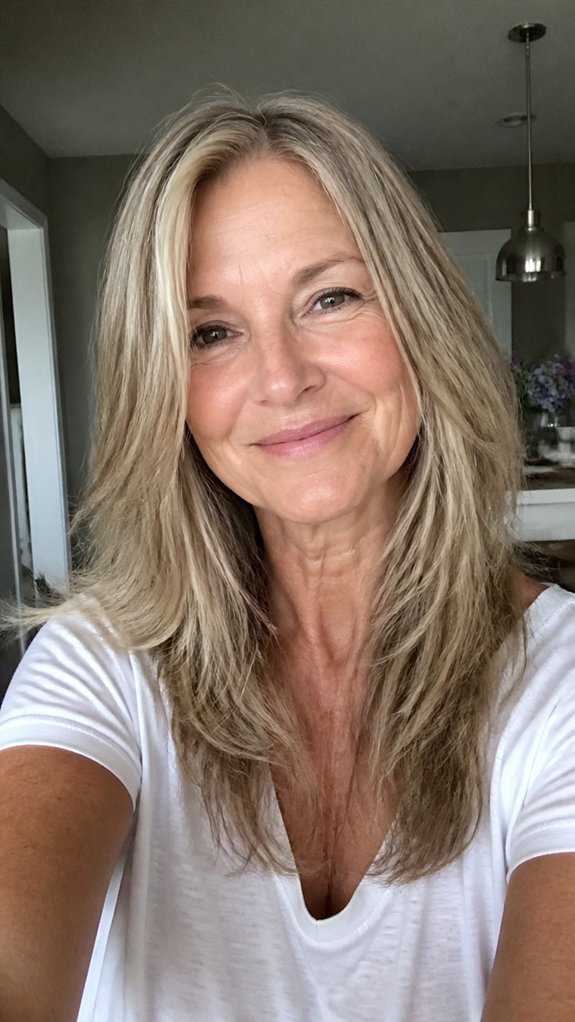
When you have thin, fine hair, you don’t need a high-drama routine to keep a long cut looking full. You can choose a blunt, long style that skims your shoulders, it stays smooth and frames your face with fewer touchups. Ask for a softly feathered front, so your roots don’t look sparse, and your ends keep weight. Keep scalp health in mind, massage gently, and use a light conditioner only on mid-lengths.
For flattering color contrast, go slightly darker at the roots, then blend lighter through the lengths. You’ll get a natural, intimate look, with less work, and more confidence.
Add Volume With Layered Long Hairstyles That Move
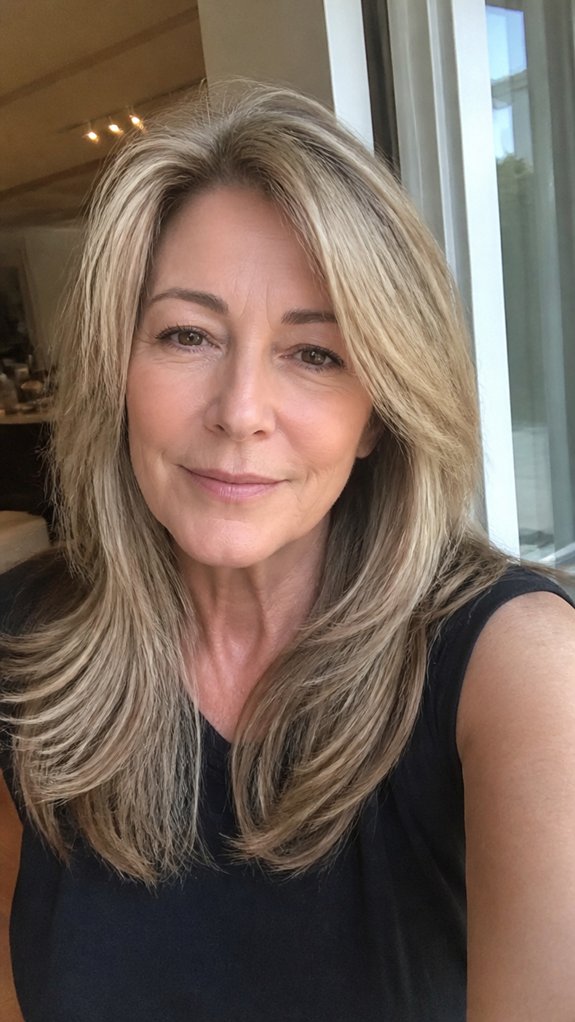
Layered long hairstyles can give your thin, fine hair instant lift, without making it look choppy. When you choose long layers that move, you create soft waves and air pockets, so your hair looks fuller.
Start with a gentle scalp massage, focusing on the crown and hairline, and do it for a few minutes while you shampoo or style. Then add volumizing sprays at the roots, misting lightly and lifting sections as you apply.
To keep the layers swishy, use a round brush or velcro rollers, finish with a cool blow, and avoid heavy oils near your scalp.
Choose Face-Framing Layers That Flatter as Hair Grows
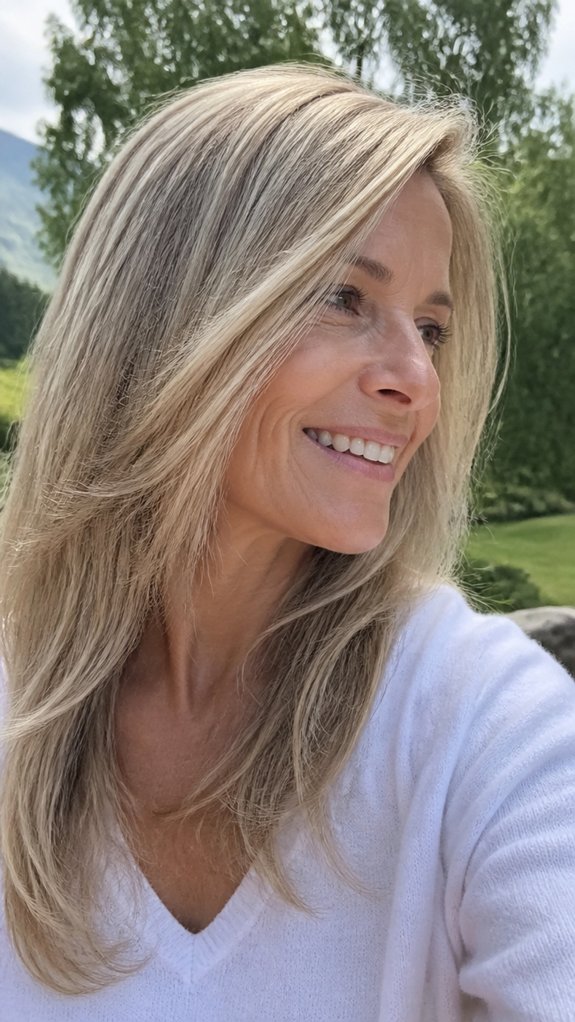
Why settle for hair that looks flatter as you grow older, when face-framing layers can work with your natural shape? As your hair grows, you want movement near your cheeks, not a limp curtain.
Choose face framing that highlights your bone structure, and ask for a layered sweep around the jaw, so it softens angles. Match the placement to your growth patterns, with slightly shorter pieces at the front and longer layers at the sides.
These layers catch light, balance volume, and still let you wear your length easily. You’ll feel polished, and your style stays flattering longer, even between trims.
Go for Long Bob-to-Long Styles With Soft Blowout
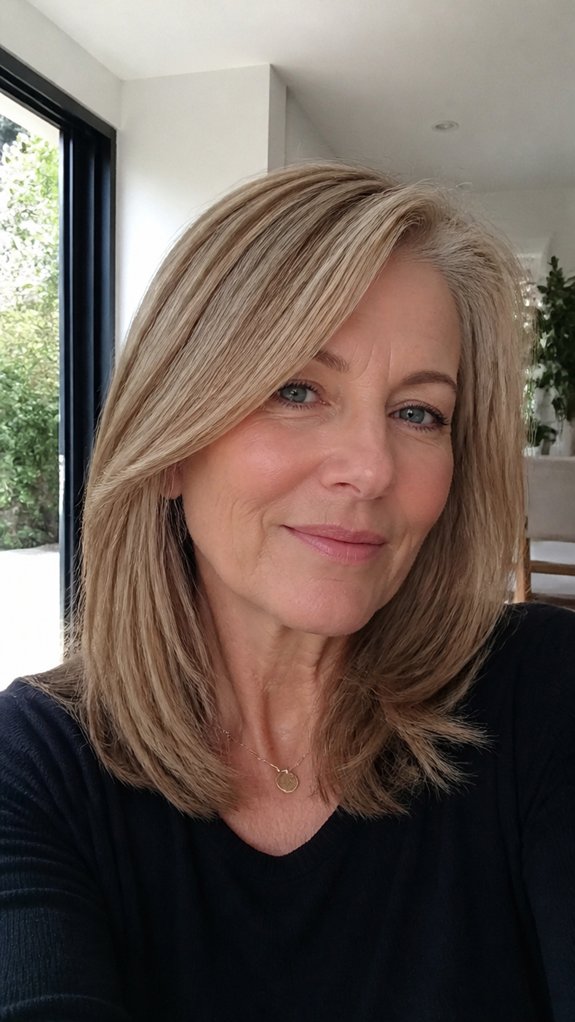
After you get face-framing layers that flatter your shape, you can move on to long bob-to-long styles that add shape without feeling tight or heavy.
Ask your stylist for a long bob that lands around your collarbone or a bit below, so it frames your neck, and looks effortless when you’re close to someone.
Then request a soft blowout, where you lift at the roots, and roll the ends slightly under, you’ll get a soft texture that moves with you.
This creates a rounded silhouette, and it helps fine hair look fuller, without daily fuss.
Wear Curtain Bangs for Instant Fullness With No Fuss
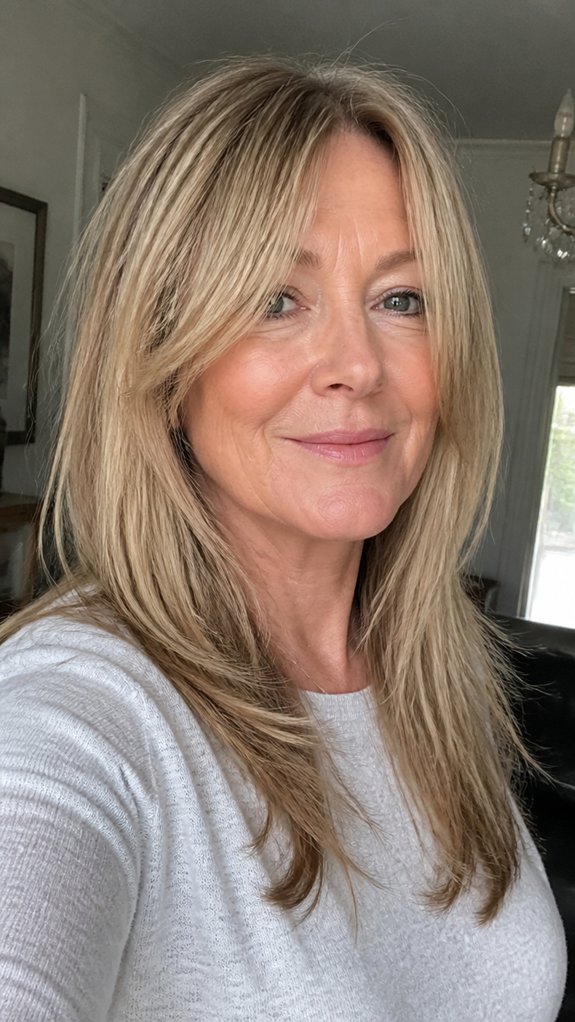
Curtain bangs can instantly give your thin, fine hair more body, and they do it with very little effort.
You part your hair, then let the bangs fall softly, right where they frame your face. They lift at the roots, so your sides look fuller, and your long lengths feel lighter.
For instant volume, ask your stylist for piecey bangs, with a few uneven layers that catch the light. In between washes, pull a little texture with your fingers, then smooth the center lightly.
Finish with an airy textured fringe, and you’re ready, no fuss required.
Try Feathered Ends to Avoid Flat, Stringy Hair
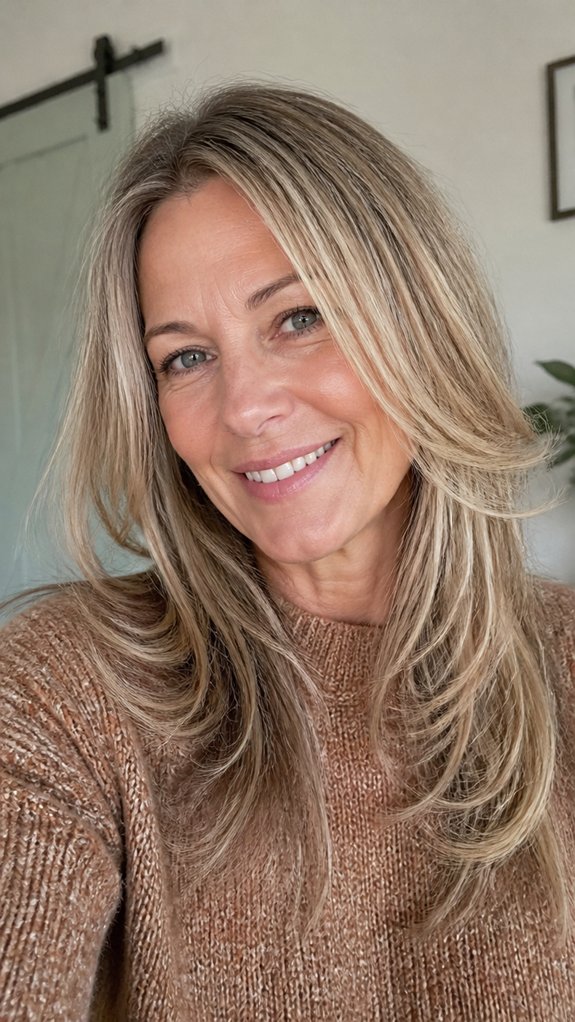
Feathered ends help thin, fine hair look fuller, and they keep your long layers from falling flat or stringy. When you ask for feathered texture, you’re asking your stylist to soften the last few inches, so each strand moves instead of clumping together.
Start by keeping the ends light, then request minimal end weighting, because heavy tips pull hair downward fast. After a wash, gently shake out your hair, lift at the crown, and smooth only the bottom lengths. If you blow-dry, aim down, then finish with a quick cool shot. You’ll feel the difference, and it frames your face beautifully.
Style Effortless Long Waves Using Minimal Heat
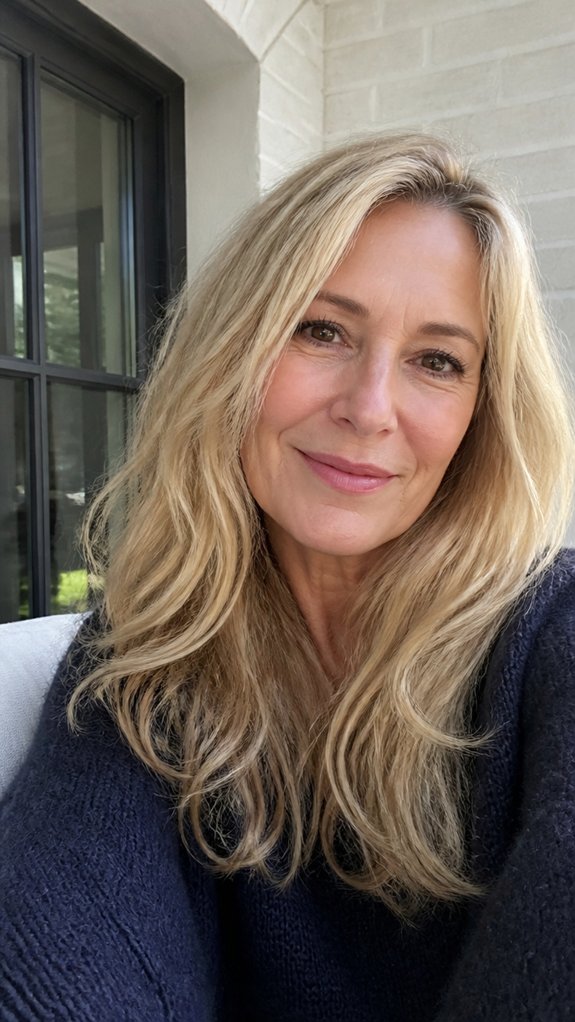
Creating effortless long waves with minimal heat starts with protecting your hair and setting up the texture before you ever turn on a tool.
Prep by misting a light leave-in, then spritz a soft texturizer, so your strands feel touchable, not tight.
To get heat free waves, twist or braid sections while your hair is slightly damp.
Try Overnight braids, three to five loose braids from mid-lengths, then secure with soft ties.
In the morning, unwrap gently, shake out, and finger-comb.
Finish with a tiny amount of hair oil on ends, for shine and that lived-in, intimate look.
Use Long Shag Layers to Create Thickness and Lift
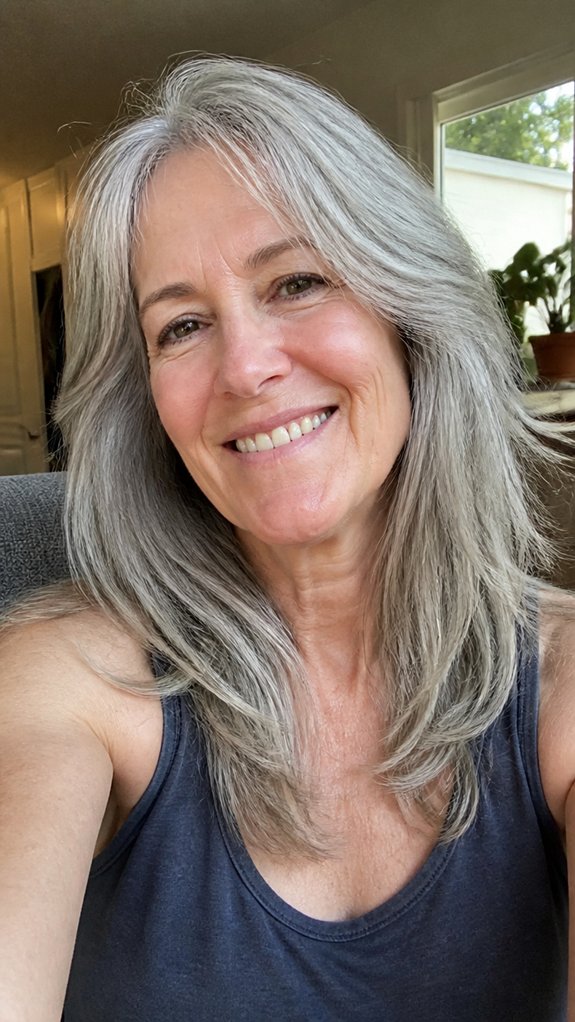
Long shag layers can give your thin, fine hair real bounce, and you don’t have to rely on heavy styling to get it.
When you ask for long shag layers, you keep the length, but you add movement through the ends, so your strands don’t sit flat.
Start by lifting at the roots, try root padding with a light, soft product, then let the stylist create a textured crown for extra air.
As the layers fall, you get natural volume, and you’ll feel your hair move when you do.
Finish with a quick shake, and you’re done.
Opt for a Long Feathered Mullet for Easy Volume
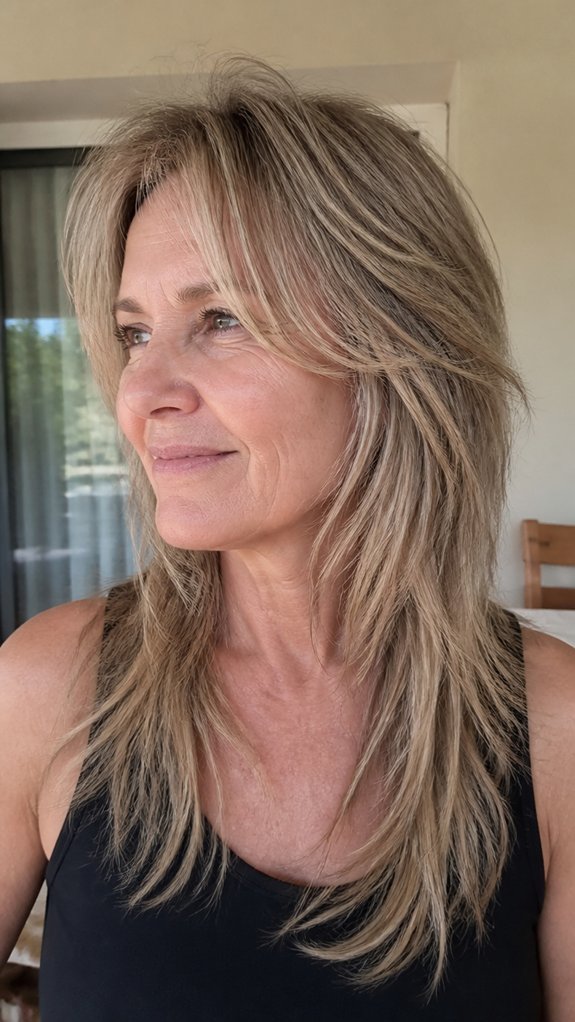
When you want volume without a lot of work, go for a long feathered mullet, because it lifts your hair at the crown and keeps the back longer for a flattering shape.
You’ll love how the textured mullet layers move, they soften the look of thin strands and give you a fuller silhouette. Ask your stylist to feather the ends and focus the cut around your crown, so your hair sits higher, not flat.
Use a light mousse, scrunch from mid-length to ends, and let it air-dry. In minutes, your feathered crown looks airy and touchably soft.
Pick Side-Swept Styles That Cover Thinning Areas
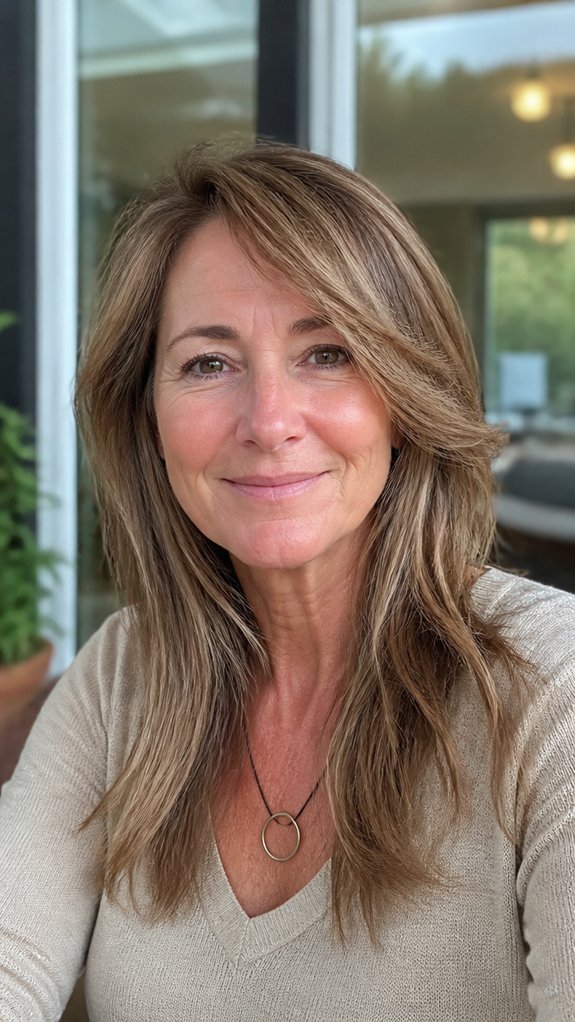
Pick side-swept styles that cover thinning areas, and you’ll instantly make your hair look fuller and more balanced.
When you choose a side parting, you shift the hair’s weight, so softer strands fall forward over a sensitive spot, and you feel more confident up close.
Try long layers with a gentle side sweep, so the ends skim your cheekbones, and the roots stay lifted.
If your hair gets flat, add subtle scarf tucks near the crown, then let the front pieces breathe, you’ll get coverage without fuss.
Finish with a light mist of styling spray, and enjoy that intimate, polished look.
Maintain Your Long Thin Hair With Simple Trim Timing
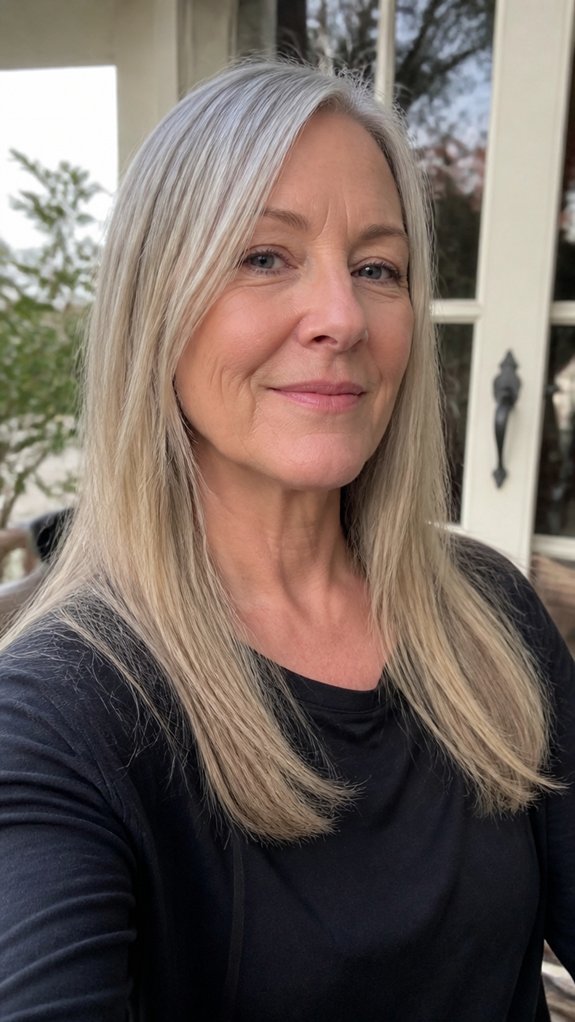
Trim timing makes a big difference for long, thin, fine hair, especially as you get past 50. You want your ends to stay light, and your shape to look full.
Aim for trims every 8 to 12 weeks, because split ends travel upward, and that steals thickness fast. When you book your appointment, ask for a small, strategic refresh, like dusting just the tips and blending layers.
Between trims, focus on scalp care, keep your roots clean and moisturized, and protect your hairline from irritation. At night, use sleep protection, like a soft silk scarf or loose bonnet, so your strands don’t snag and thin out.