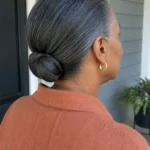
Fine hair can lose shape fast in a long cut, especially after winter dryness, hat wear, and frequent clip-and-tie styles. The right shag keeps length through the perimeter, adds movement where hair needs it, and avoids the see-through ends that make fine hair look sparse.
Use one clear check before you book: if the ends already feel thin, choose longer layers and soft face framing instead of short, choppy pieces. That single choice helps you keep enough density for ponytails, clips, and a smoother grow-out between trims.
1. Soft Face-Framing Shag

Long face-framing layers work best when they start below the cheekbone and taper gently toward the jaw. That placement lifts the face without taking too much weight out of fine hair around the front, where thinness shows fastest.
Ask for front pieces that connect into the longer layers rather than ending in a separate, wispy section. If the stylist cuts a hard disconnect, the front can look piecey and make the rest of the length look flatter than it is.
Ask your stylist: Keep the perimeter soft but not shredded. Request a gradual blend from the front into the mids so the cut still looks full when you tuck hair behind the ears or wear it loose.
2. Curtain Bang Shag
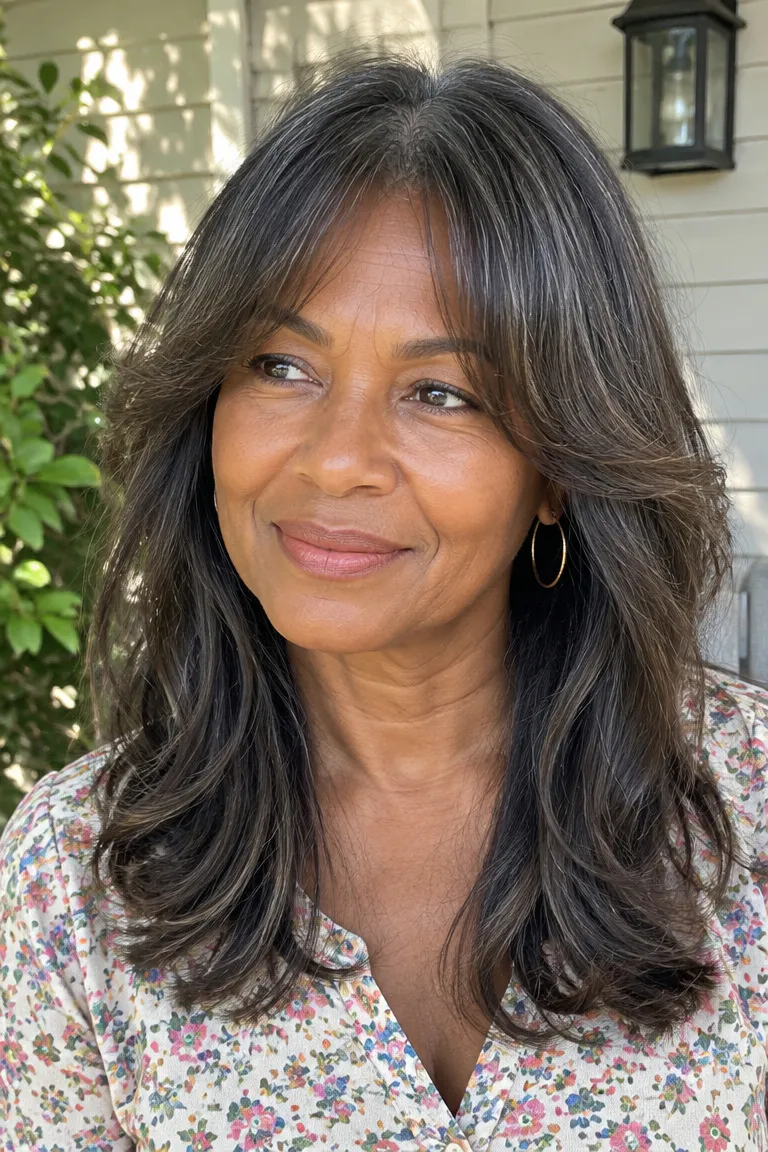
Curtain bangs can change the shape of a long shag without forcing you into a short fringe. For women who still want length for ponytails and clips, the best version stays dense at the center and opens slowly toward the sides.
Fine hair needs enough weight in the bang area to sit well after a wash, so avoid over-thinned ends. A center part with longer side pieces works better than a super airy bang that splits apart and exposes the scalp.
- Keep the shortest piece around eyebrow level or slightly below if your hair is very fine.
- Ask for the sides to blend into the cheek area so the bang grows out cleanly.
- Skip heavy texturizing at the fringe line if your front hair tends to separate.
3. Feathered Straight Shag

Straight fine hair needs motion more than aggressive texture. Feathered layers give a softer bend through the lengths, which keeps the cut from falling flat without leaving the ends ragged.
This version works better than short choppy layers because the hair still has a clear outline. The perimeter stays visible, so the ends read as fuller and less stringy when the hair is worn down.
If you want more options for long, fuller-looking cuts, 15 Long Hairstyles for Thin Fine Hair Over 50 That Actually Look Full shows other shapes that keep density through the bottom length.
4. Wavy Hold Shag
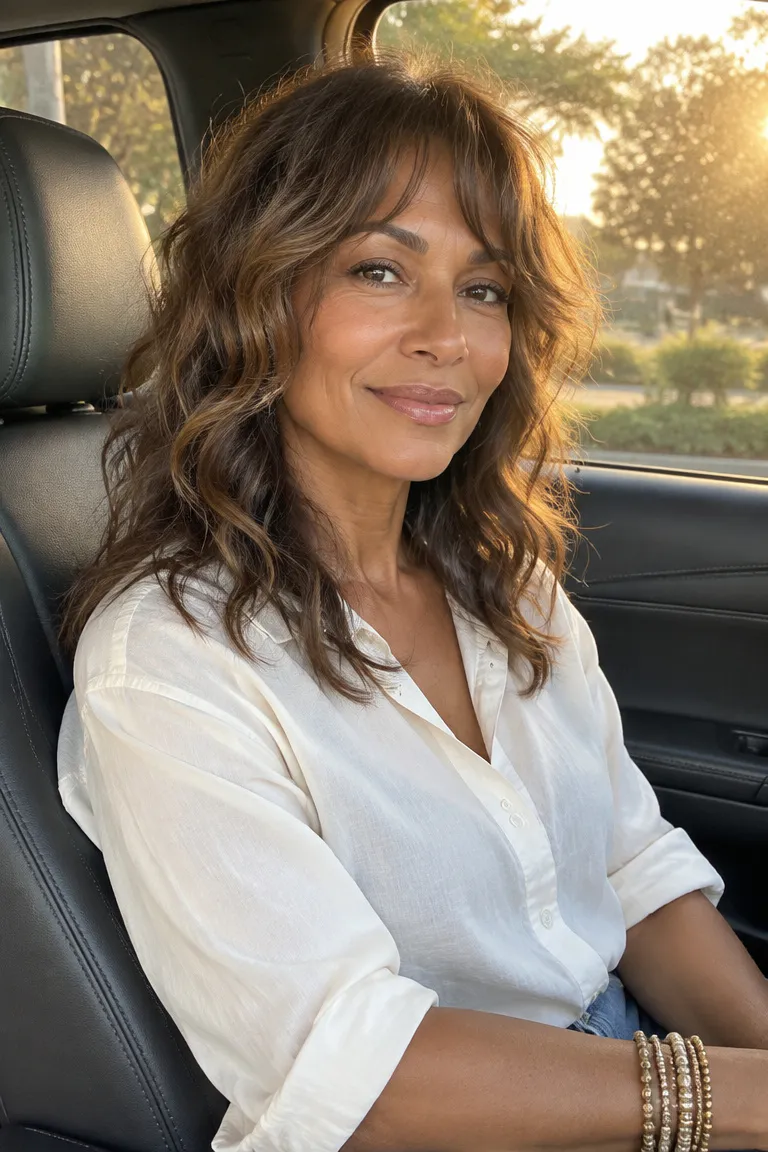
Natural wave can support a shag well, but only if the layers are balanced. When the cut follows the wave pattern instead of fighting it, the hair looks fuller through the mids and more lifted at the crown.
Too much layering can make fine waves puff out in humid or damp indoor winter air. A cleaner layer pattern keeps the wave looking like body instead of frizz, especially around the face and ends.
Comfort check: If your waves expand easily, keep the shortest layers below the cheekbone. That leaves enough weight to calm the shape while still giving the wave room to show.
5. Air-Dry Shag

An air-dry shag should look deliberate without a blowout. The cut needs soft movement in the mids, a controlled perimeter, and enough length that the hair won’t collapse into a fuzzy outline as it dries.
Use a light leave-in spray or a small amount of airy mousse, then work it through damp hair from mid-length to ends. Heavy creams and thick oils can flatten fine hair before it has a chance to form shape.
For readers who prefer a shorter option with similar lift, 25 Voluminous Shag Haircuts for Thin Fine Hair Over 60 has more cuts that rely on shape instead of heavy styling.
6. Long Back Layers
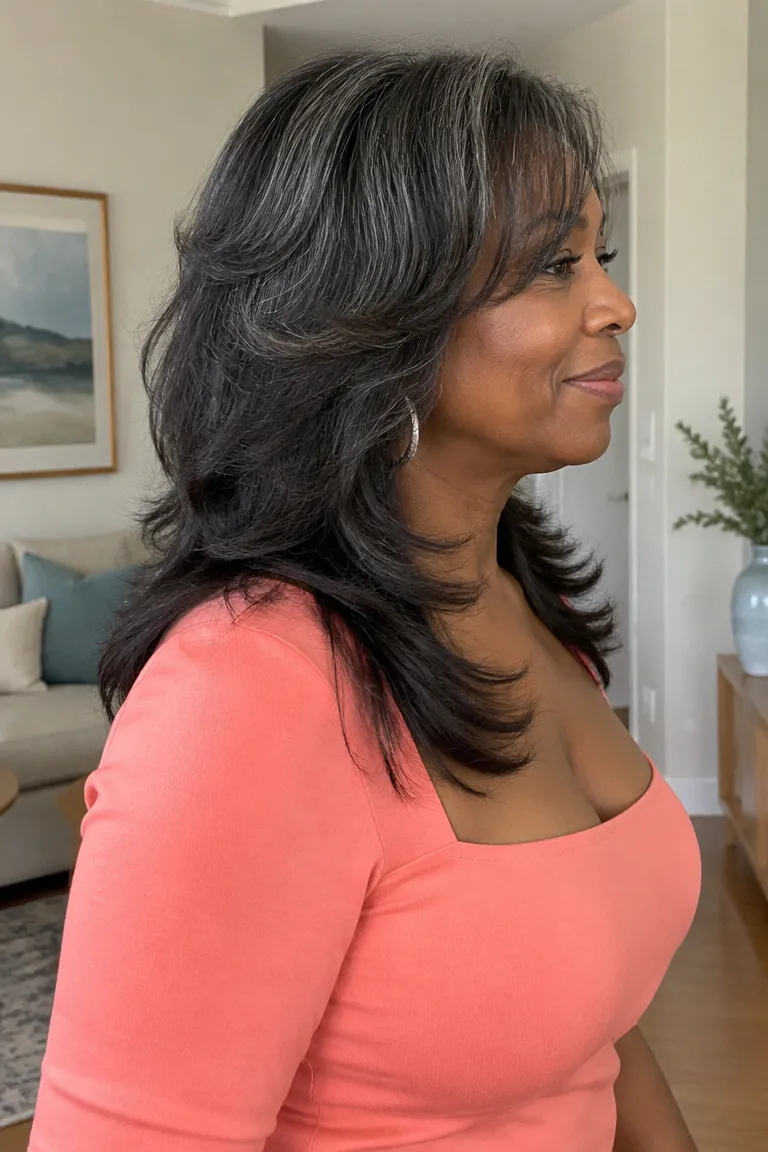
Long layers through the back help fine hair keep a solid outline from every angle. This matters if the ends are delicate or a little sparse, because shorter internal layers can make the bottom look thinner than it really is.
Ask for length to stay in the back perimeter and for the layers to start lower, not high on the head. That approach adds movement while protecting the tips from looking see-through when the hair is parted or pulled back.
- Keep the longest length intact at the hemline.
- Use internal layering only where the hair needs bend.
- Avoid high layers at the nape if the ends already look weak.
7. Gray Blend Shag
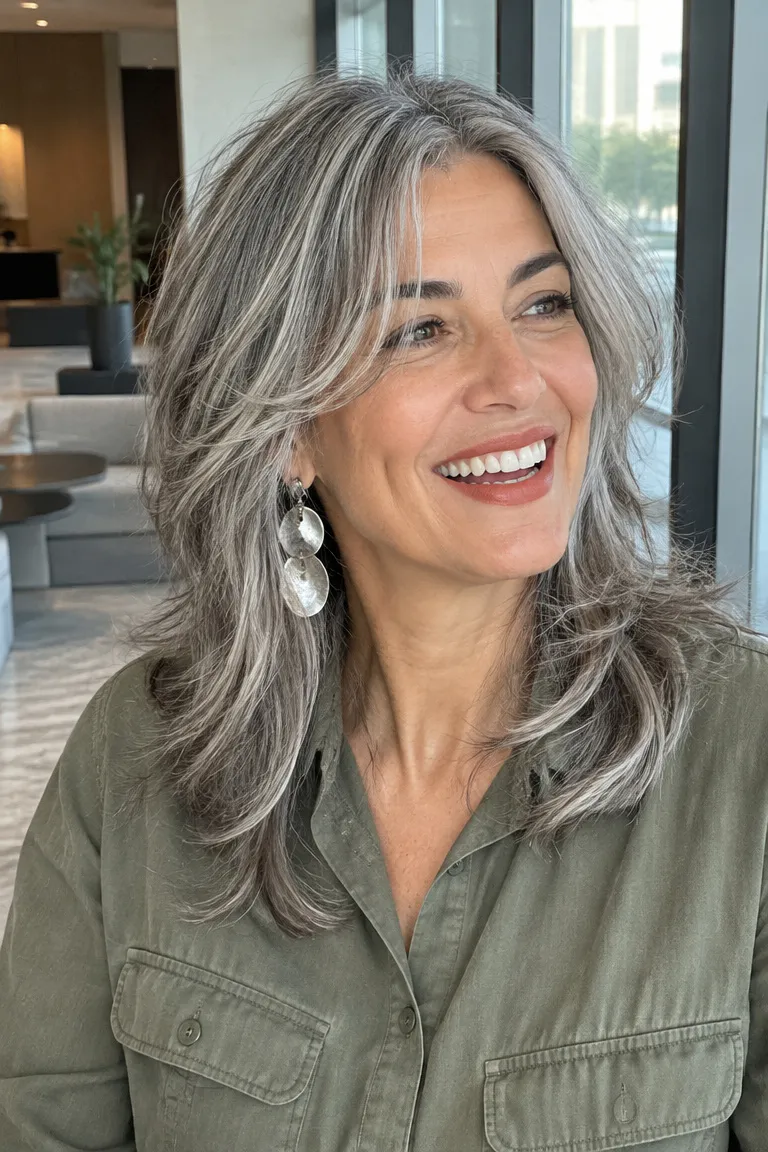
Gray strands can change how layers catch light, so the cut needs a soft transition rather than sharp separation. A blended shag keeps salt-and-pepper hair from looking patchy while still giving it shape around the face.
Brightening the front with lighter face framing can keep the cut from going flat, especially if the crown is more translucent than the sides. The goal is even movement, not a harsh contrast between the top and bottom.
If gray hair is making you rethink length and layering, 15 Long Hairstyles for Thin Fine Hair Over 50 includes more shapes that keep the perimeter fuller.
8. Hat-Friendly Shag
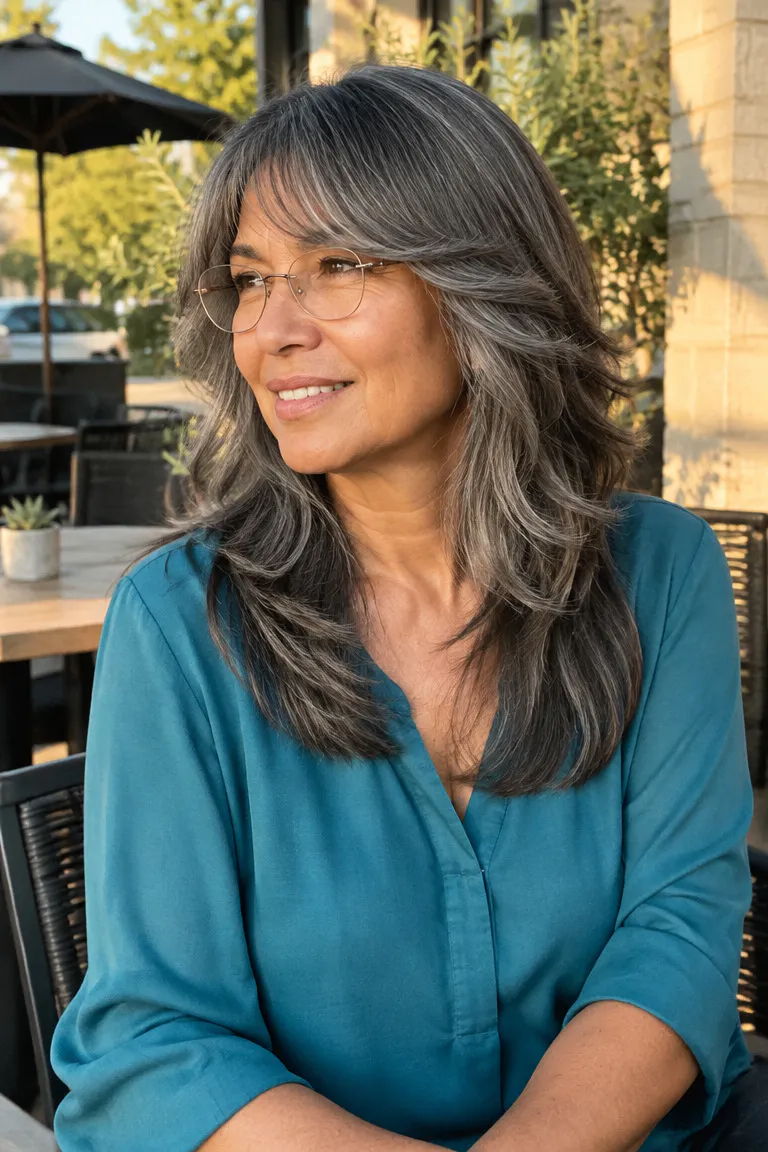
A hat-friendly shag needs enough weight in the sides and back to spring back after winter wear. In cold weather, very short layers can puff up under a hat and leave the ends looking exposed when you take it off.
Keep the crown smooth and the side layers medium length so the cut settles instead of sticking out. This is especially useful if you move between outdoors and heated indoor spaces, where static can make fine hair lift in the wrong places.
Maintenance tip: Book trims before the ends start splitting wide. Hat friction shows damage quickly on fine hair, and a clean perimeter holds its shape much better than a frayed one.
9. Side-Swept Shag
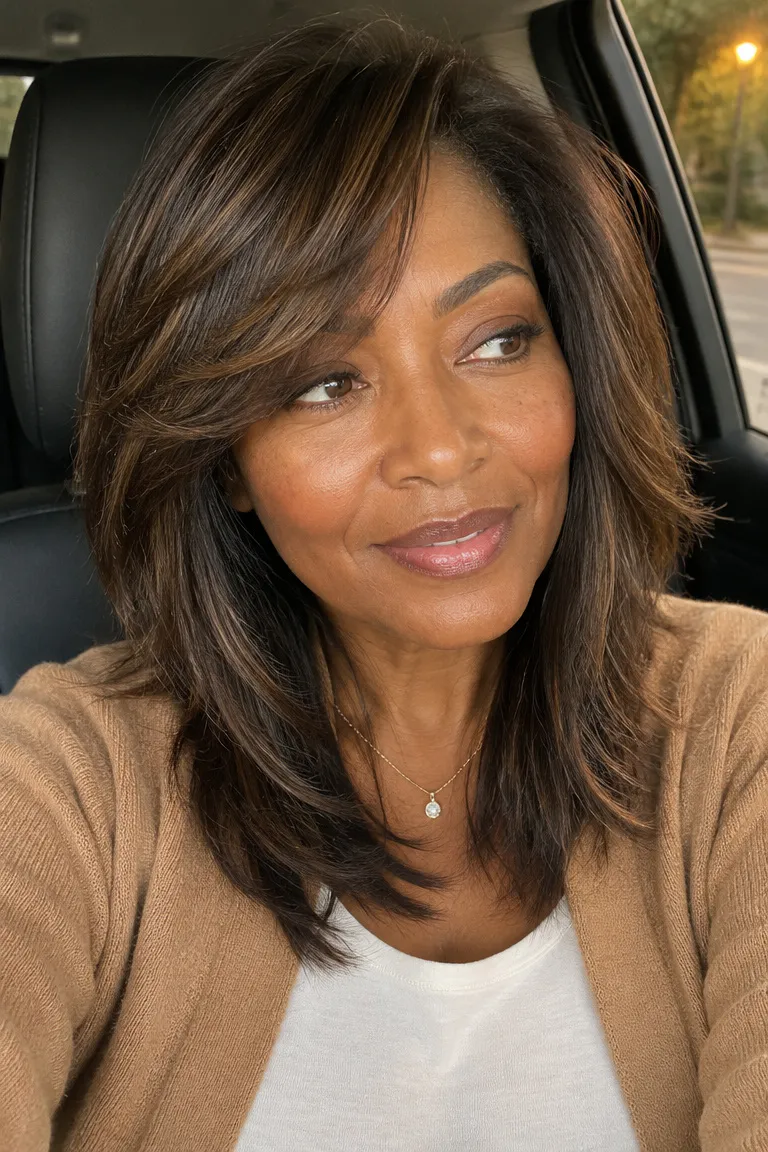
A side-swept shag gives softness without committing to a center part. It also works well for balancing a wider forehead or stronger cheekbones because the hair falls diagonally instead of opening straight down the middle.
On fine hair, the side sweep should be built from a dense front section, not from a thin strand pulled across the forehead. The rest of the cut can stay long and layered, but the front needs enough weight to stay in place.
- Ask for a deeper side part if your hair naturally falls that way.
- Keep the side sweep long enough to tuck behind the ear when needed.
- Blend the sweep into the cheek and jaw area instead of cutting a short edge.
10. Light Razor Shag
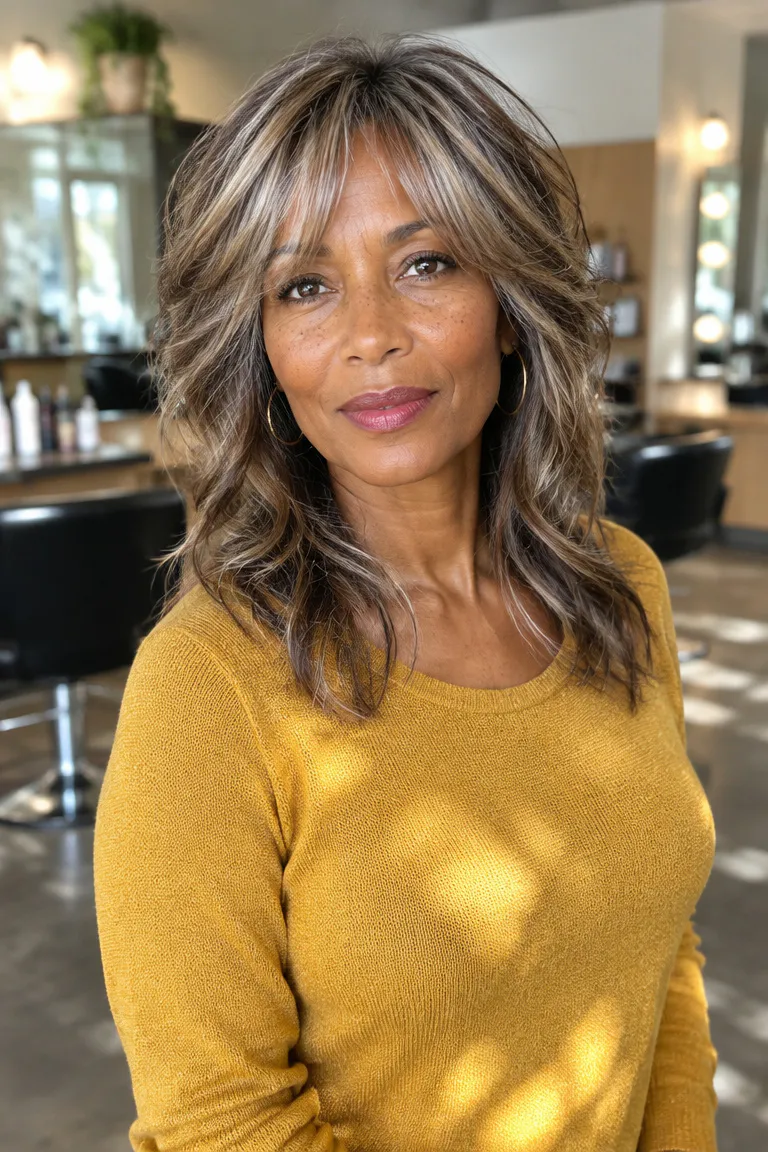
Light razor work can soften a long shag, but only if it’s used sparingly. The goal is to soften the ends, not strip away the density that fine hair needs to look full.
Heavy razor cutting can make the bottom look frayed, especially on straight or silky hair. A lighter finish gives movement at the edge while leaving enough weight to keep the perimeter visible.
If you want more texture without going too short, 15 Textured Shag Haircuts for Thin Fine Hair compares shapes that build texture without overworking the ends.
11. Low-Shear Shag

This is the safest salon request for sparse ends, breakage, or thinning at the temples. Keep more length through the perimeter, use fewer short layers, and let the front framing stay gentle instead of heavily broken up.
A low-shear shag still has movement, but it relies on spacing and balance more than aggressive layering. That makes it a smart choice if you want a fresh cut without losing the look of fullness at the tips.
Ask your stylist: Say you want the minimum amount of internal layering needed to create movement. That phrasing helps avoid a cut that looks airy in the chair but sparse after the first shampoo.
12. Blowout-Friendly Shag
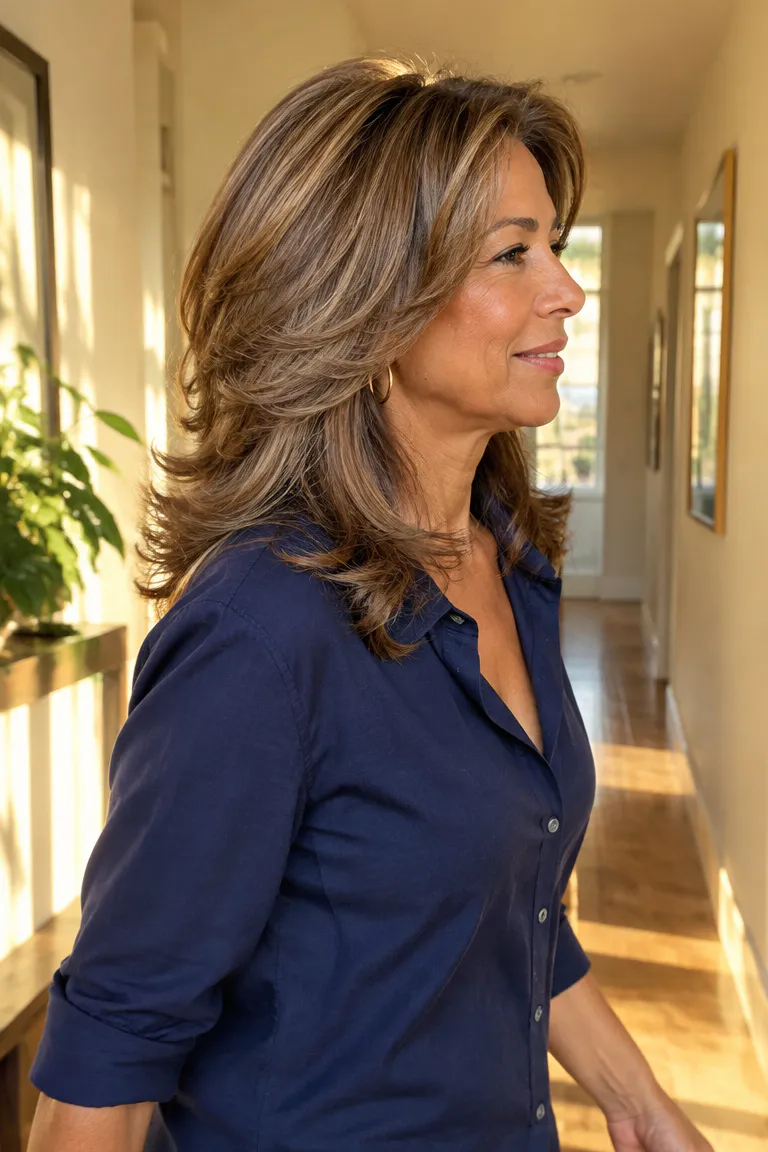
A blowout-friendly shag should support lift at the crown and a smooth bend at the ends. The layers need enough structure to round with a brush, but not so many that the hair collapses once the heat is off.
This shape is a good fit if you like a quick round-brush finish and don’t want a long styling routine. The cut should keep the top from lying flat while leaving the length long enough to move cleanly through the brush.
For readers comparing volume-focused cuts, 17 Short Fall Haircuts for Fine Hair Over 50 That Add Volume offers shorter options with a similar crown goal.
13. Clip-and-Tie Shag

A clip-and-tie shag has to work in real life, not just in a photo. Keep enough length below the shoulders and place the layers so the front pieces can fall out softly instead of slipping into thin strings.
The best version leaves some weight around the sides and lower back, which helps clips hold and keeps low ponytails from looking sparse. Too many short layers can make every updo look broken up and leave the ends sticking out awkwardly.
- Choose face-framing pieces long enough to tuck or clip back without shortening the whole shape.
- Keep the back layers blended, not chopped high, so ties sit neatly.
- Ask for a cut that still looks intentional when the top layer is clipped half up.
Choose the right shag shape
If you want the most reliable new-year reset, pick the shag that protects your ends first and adds layers second.