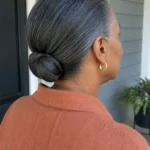
If thin hair collapses the minute you step outside in cold air or pull on a hat, the cut matters more than the styling routine. The right winter shape keeps the ends full, gives the crown some lift, and grows out without turning stringy before your next trim.
Use the length and edge as your decision rule: choose a blunt perimeter if your hair needs more visual density, or choose controlled layers only if your hair already holds some bend. That check helps you avoid cuts that look airy in the salon but go flat fast once dry indoor heat, static, and hat wear get involved.
1. Blunt Chin Bob

A blunt chin bob is one of the most reliable choices for thin hair because the eye sees a single dense line instead of broken ends. Keeping the length at the chin or a touch below it gives enough weight for winter air and hat wear without dragging the hair down.
Ask for a clean one-length perimeter with minimal internal texture. If the stylist removes too much weight from the ends, the bob can start to look hollow after a few weeks.
Ask your stylist: Keep the outline sharp and the texture light. If your hair is fine but straight, this shape usually looks fuller with less daily work than a heavily layered cut.
2. Collarbone Lob
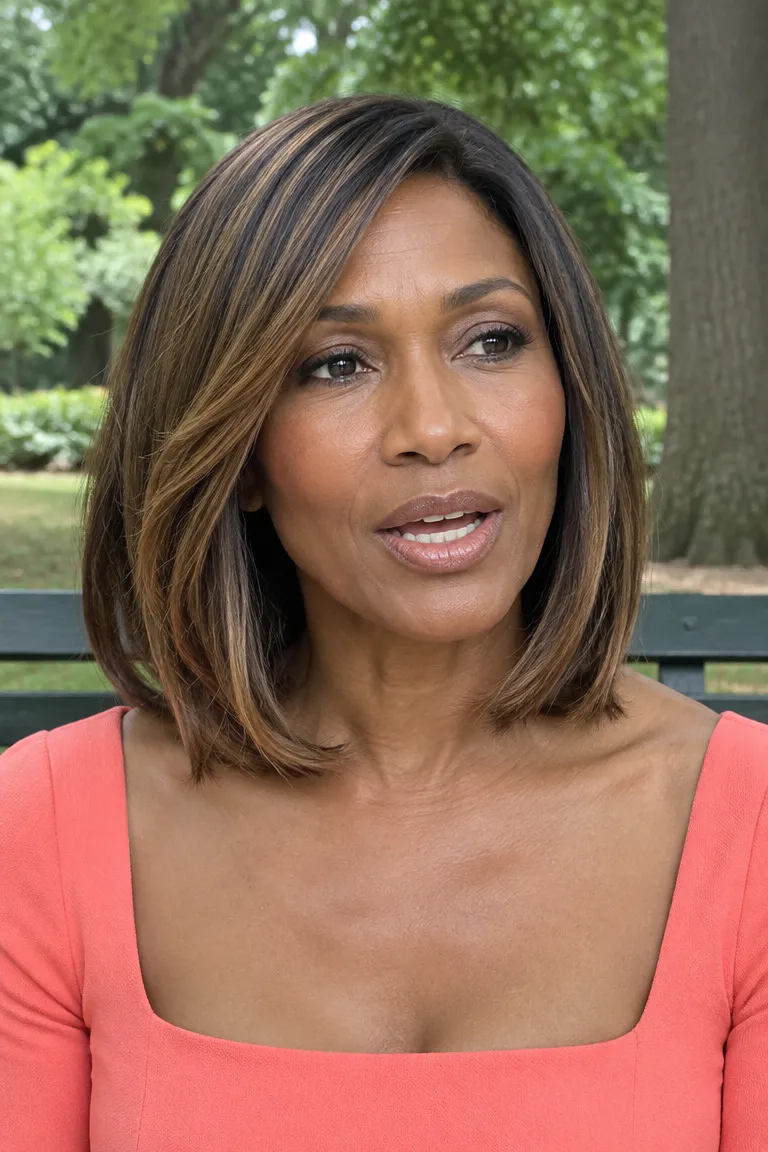
A collarbone lob gives thin hair a little more length to hold shape while still staying light enough to move. It works well if your hair falls flat at shorter lengths but turns wispy once it gets long.
The collarbone is a useful stopping point because the cut can be tucked behind the ears, worn with a soft side part, or quick-blow-dried without losing its edge. A blunt-ish hem keeps the bottom looking solid.
If you want more options without committing to a short cut, this length gives you the best mix of structure and flexibility. It also pairs well with a low-maintenance routine for short bob haircuts for thin, fine hair over 50 if you’re comparing similar shapes.
3. Soft Pixie Crop
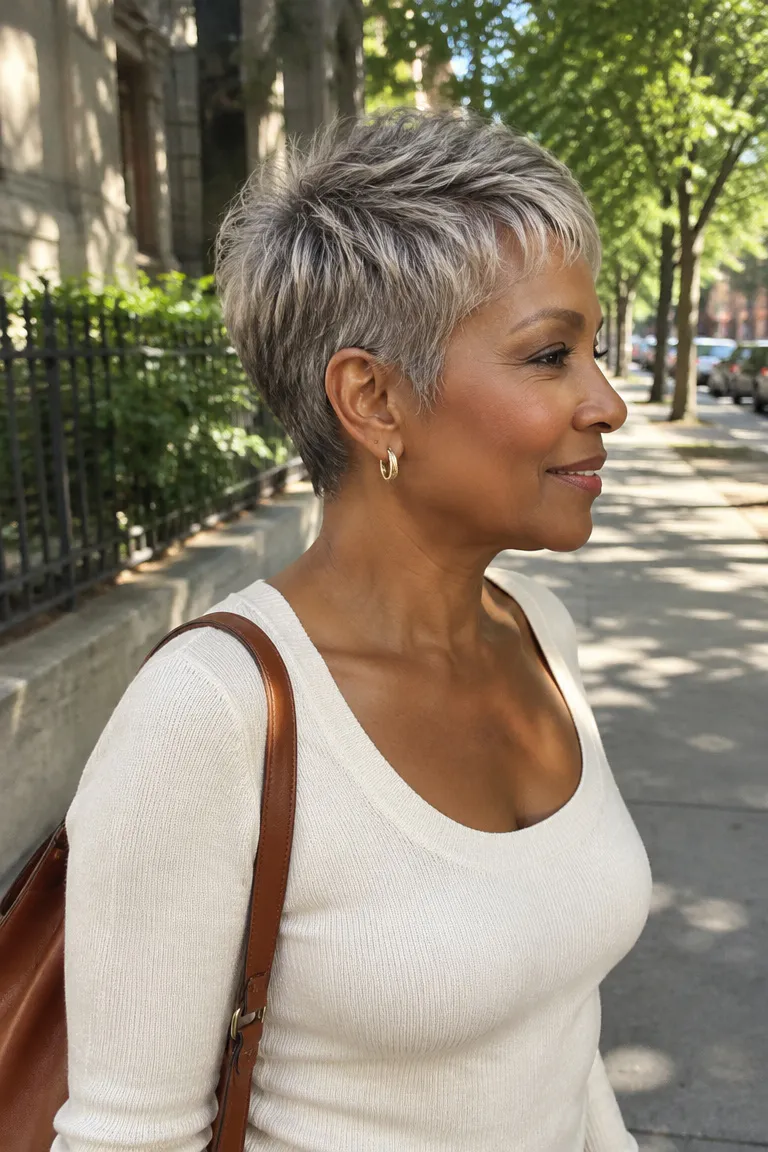
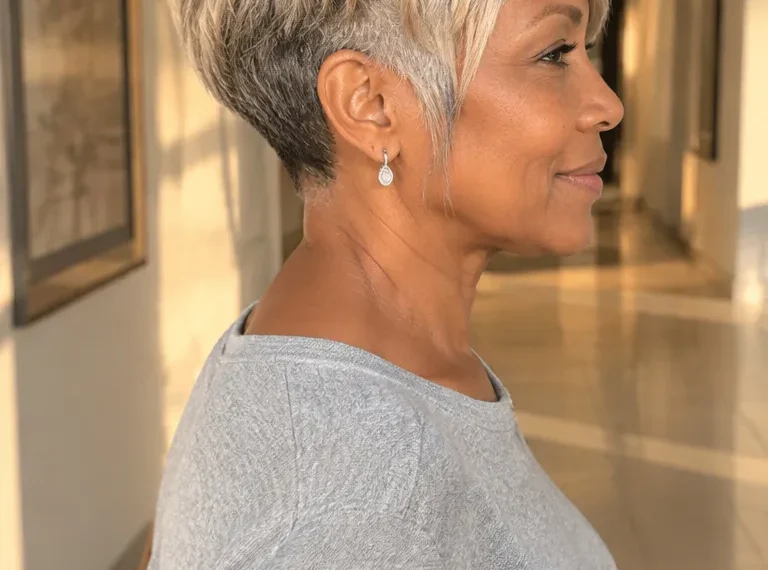
A soft pixie crop keeps the sides tidy and leaves enough length on top to create lift without heavy styling. That matters in winter, when hats and scarves can flatten longer layers in minutes.
The best version for thin hair keeps the crown slightly longer and avoids choppy side layers that expose the scalp. You want a shape that can be finger-styled back into place, not one that depends on a lot of product.
Comfort check: Ask for tapered sides that feel clean around the ears and nape, but keep the crown soft rather than spiky. If your hairline is delicate, a softer pixie usually sits more comfortably under winter headwear.
4. Bixie Cut

A bixie sits between a bob and a pixie, which makes it useful if you want movement without losing the frame around the face. Thin hair often benefits from this middle ground because the cut adds shape without overexposing the ends.
The trick is controlled layering. Too many short layers can make the cut look floaty, but a few well-placed layers around the crown and jawline create lift and a fuller outline.
If you like the idea of short hair but want more softness than a classic pixie, this is a practical next step. It also sits in the same family as the fuller looks in soft pixie cuts for women over 50 with fine hair without leaning too airy.
5. Curtain Bang Lob
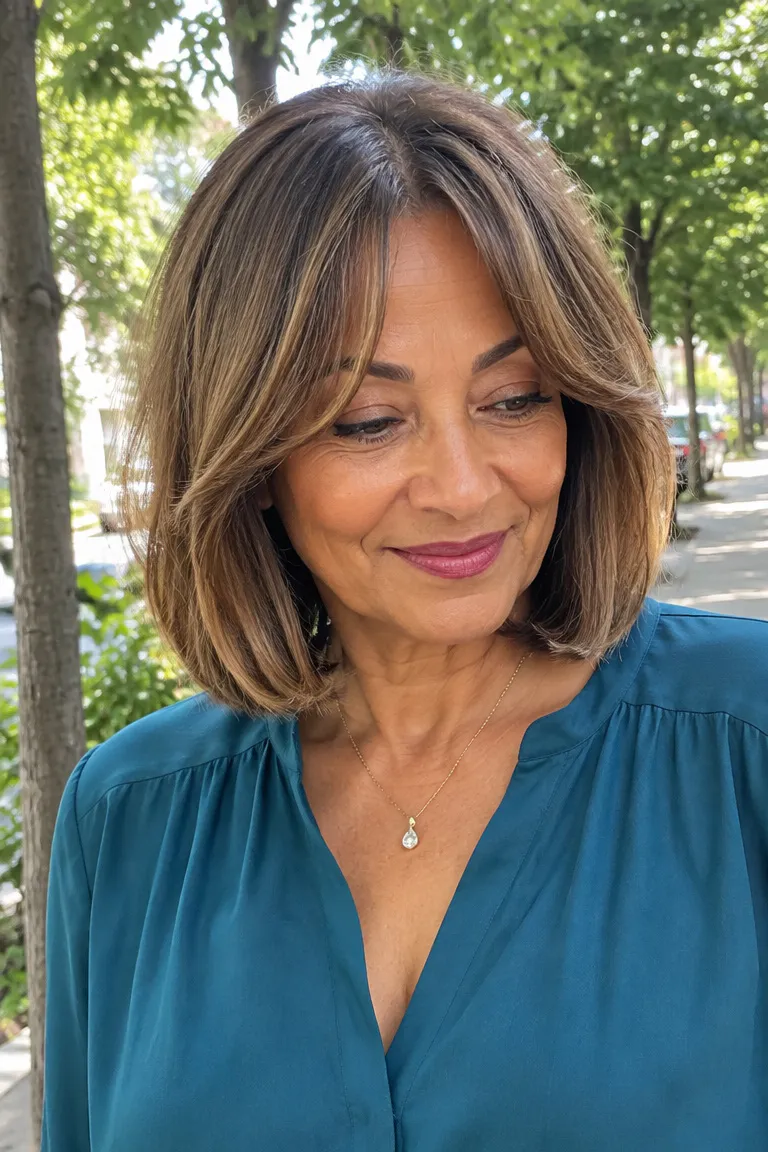
Curtain bangs can add front volume without the commitment of a full fringe. For thin hair, that matters because heavy bangs often separate and look sparse after a few wears.
Keep the lob edge blunt or only lightly textured so the ends still read thick. The curtain pieces should start high enough to frame the face, but not so dense that they fight the rest of the cut.
This is a good pick if you want something that softens the forehead and pulls attention to the cheeks and eyes. It works best on hair that can handle a quick round-brush pass or a simple air-dry with the front directed away from the face.
6. Chin-Length French Bob
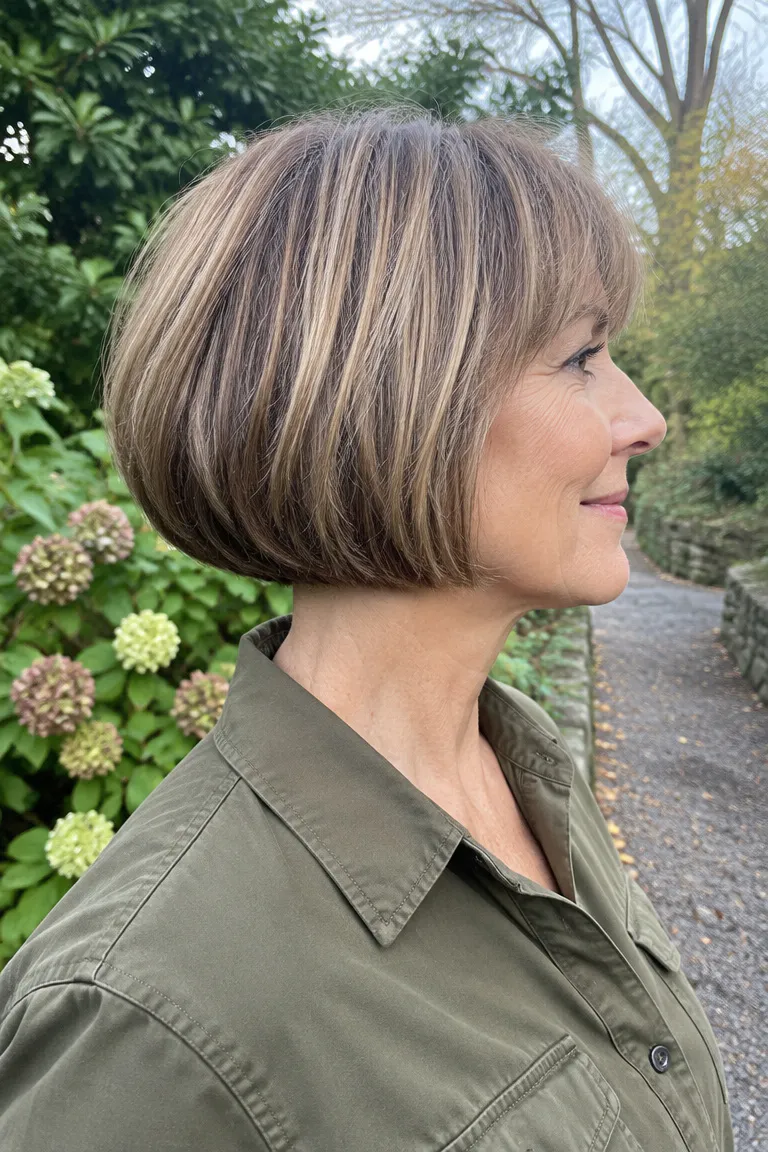
A chin-length French bob gives thin hair a compact shape that looks deliberate with very little effort. The shorter length helps the ends stay strong, which is useful when winter dryness makes hair look frayed faster.
Ask for a slightly rounded edge rather than a heavily layered finish. That keeps the silhouette dense and avoids the see-through effect that can show up when the bottom is thinned out too much.
This cut is a good match if you want a polished shape that doesn’t need daily reshaping. It also gives you a cleaner perimeter than many mid-length styles, which can help if you’re comparing it with short bob haircuts for women over 50 with thin hair.
7. Shag-Lite Layers

Shag-lite layers give thin hair movement without pushing the cut into see-through territory. This is the safer version of a shag when you want softness but still need the bottom line to look full.
It works especially well if your hair has a little natural wave and tends to puff up or separate with too many layers. Long, controlled layers keep the hair from looking stiff while preserving enough weight at the ends.
- Ask for long layers that start low, not choppy pieces around the crown.
- Keep the perimeter intact so the cut doesn’t hollow out over time.
- Use this shape if your hair needs movement more than extra short pieces.
8. Side-Parted Lob
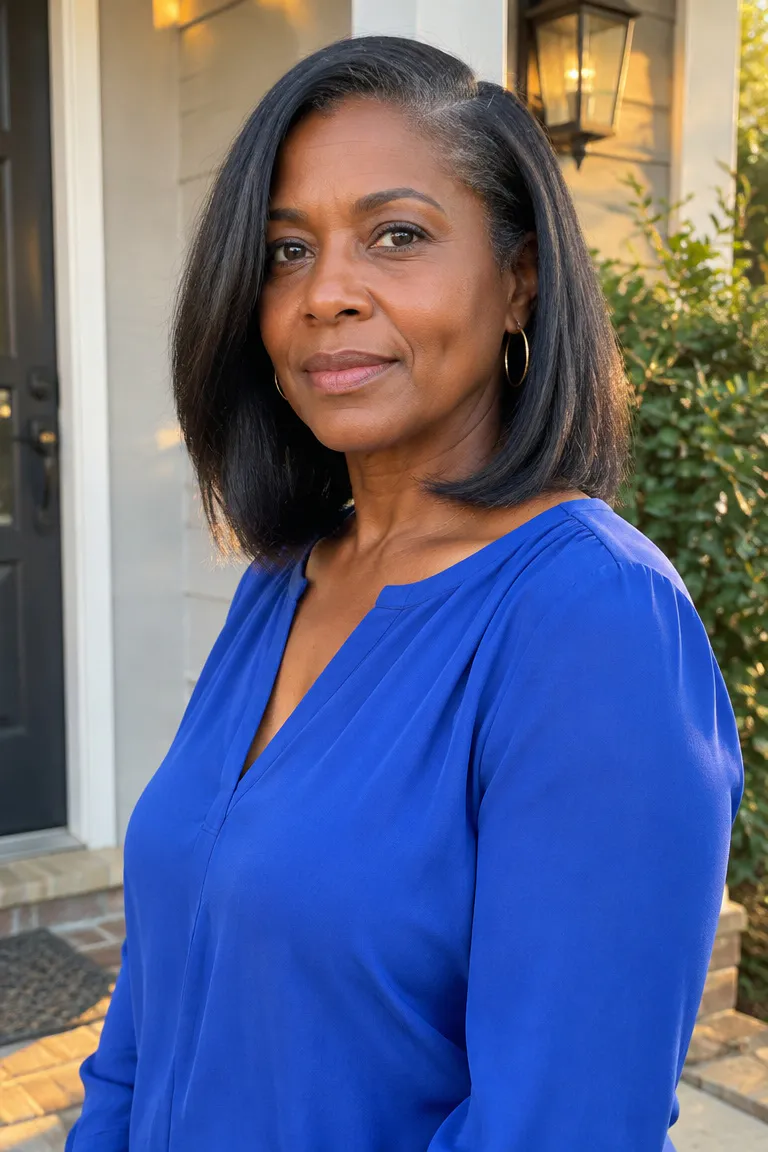
A side-parted lob can change the whole balance of thin hair by shifting volume to one side. That gives the crown a little lift, which is useful when winter air and hats flatten the top first.
Keep the length around the collarbone so the parting change has room to show. If the cut is too short, the new part can make the shape look uneven instead of fuller.
Maintenance tip: Switch the part while your hair is damp, then dry the roots in the new direction. That simple change helps the lift stay visible without needing a lot of product.
9. Rounded Layered Bob

A rounded layered bob adds fullness where thin hair usually needs it most, around the crown and cheekbones. The rounded outline keeps the style from looking flat from the side.
This cut works best with soft internal layers rather than a lot of short, choppy pieces. You want the shape to curve under slightly so the ends support the volume instead of breaking it up.
It’s a strong option if you like a bob that looks finished after a basic blow-dry or a brush-through. The shape gives a fuller silhouette without relying on heavy styling every morning.
10. Tucked Ear-Length Crop
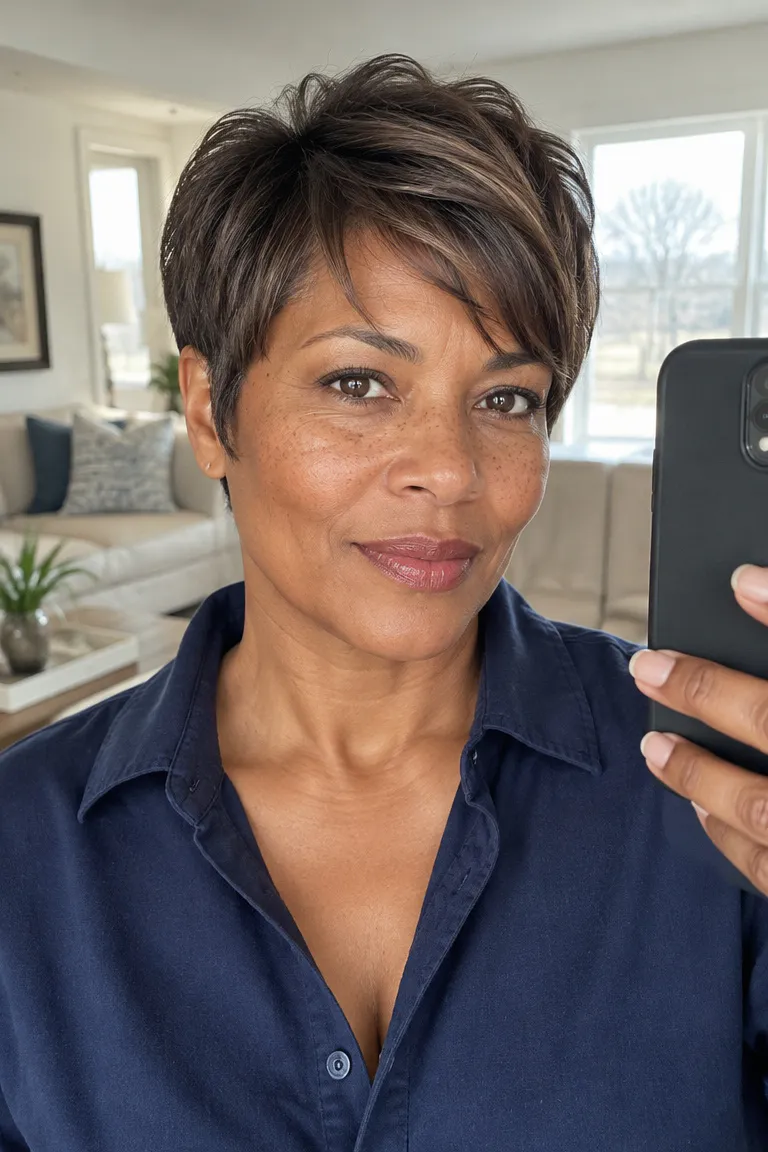
An ear-length crop is a good winter choice if you want a cut that stays neat after hat wear. The shorter sides reduce bulk around the ears, while the slightly longer top gives enough shape to sweep across instead of sticking up.
That balance matters for thin hair because too much length on the sides can make the shape droop, while too much removal can expose the scalp. Keep the top soft and controllable rather than overly short.
If you want a cut that dries fast and stays close to the head, this is a practical option. It also fits well for women who like the cleaner profile of short hairstyles that make fine hair look thicker.
11. Textured Crop With Fringe
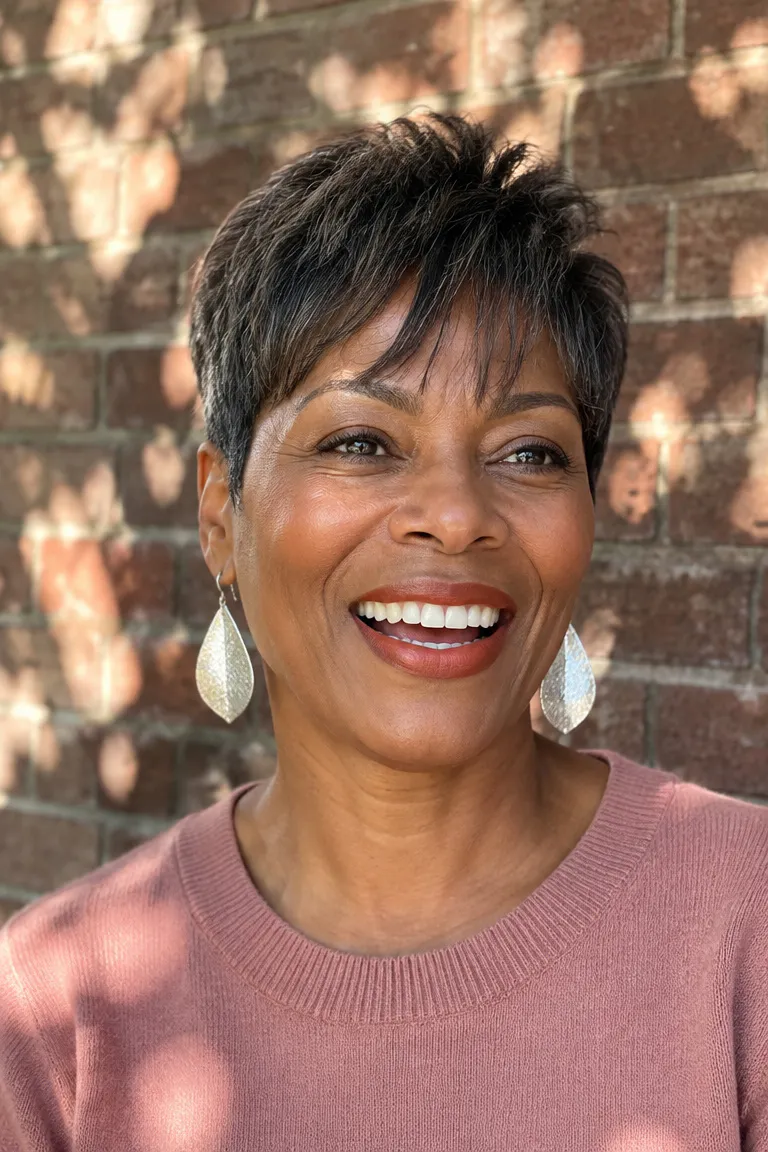
A textured crop with fringe gives short hair more dimension without adding bulk in the wrong places. The fringe should stay soft and piecey so it doesn’t split into separate strands too quickly.
Keep most of the texture through the top and front, where it helps the hair read fuller. The sides should stay compact so the cut keeps a clear shape under winter layers and indoor dryness.
This cut is useful if your hair looks best with a little lift at the front but you don’t want a lot of length to manage. It’s also one of the easier ways to keep short hair looking intentional as it grows out.
12. Sleek Blunt Bob
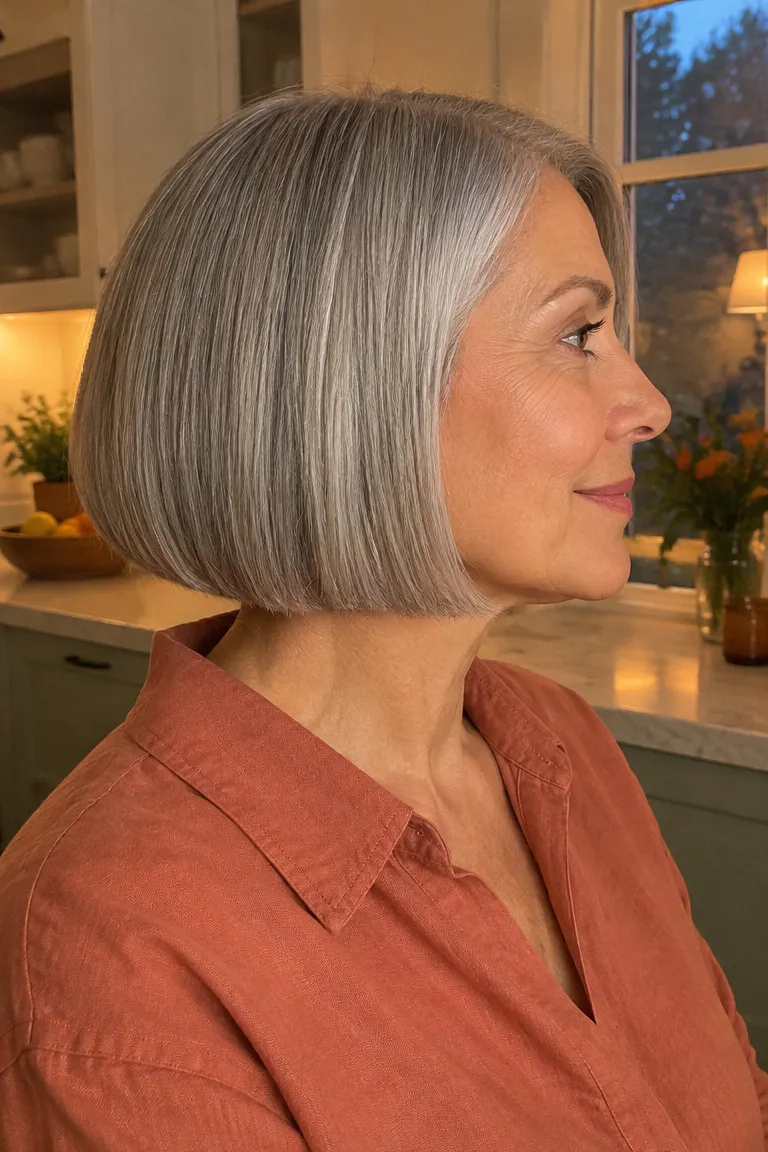
A sleek blunt bob can make thin hair look denser because the line stays clean from root to tip. With less layering, the eye reads one solid shape instead of a broken outline.
This works especially well if your hair is straight or mostly straight and you want a polished finish with minimal daily effort. The ends need a precise cut, because thinning or point-cutting too much can make the shape look frayed fast.
Ask for minimal thinning and a sharp edge that lands where you want the density to show. If your hair tends to separate at the ends, this cut usually looks stronger than softer, heavily textured versions.
13. Wavy Lob With Bend
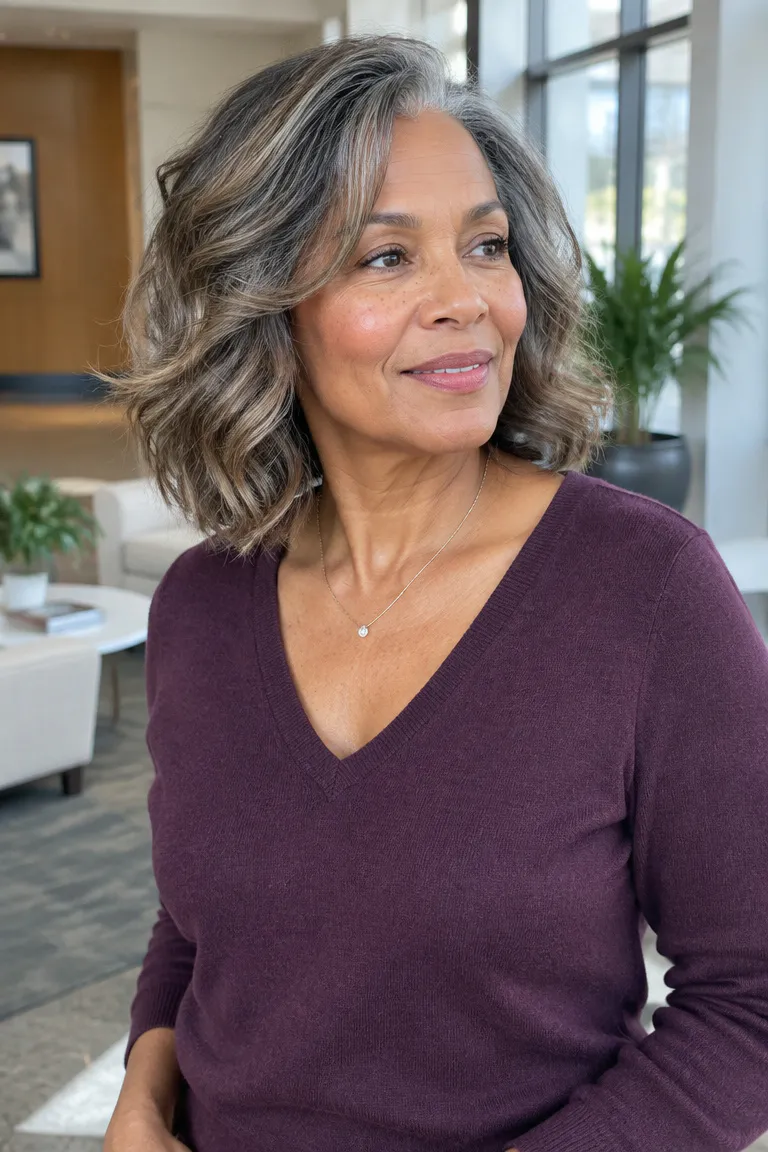
A wavy lob with bend is a smart choice if your hair already has some natural movement. The goal is not full curl; it’s enough bend to create volume without exposing a sparse-looking part.
Long layers help the wave fall in a loose, controlled way, while a strong perimeter keeps the style from looking ragged. That combination works well in winter, when dry air can make waves expand unevenly.
If you use a diffuser or a round brush now and then, this shape keeps that effort simple. It gives thin hair motion without asking for a complicated routine, which is why it sits nicely next to other low-maintenance long hairstyles for thin fine hair over 50.
14. Gray Blunt Cut
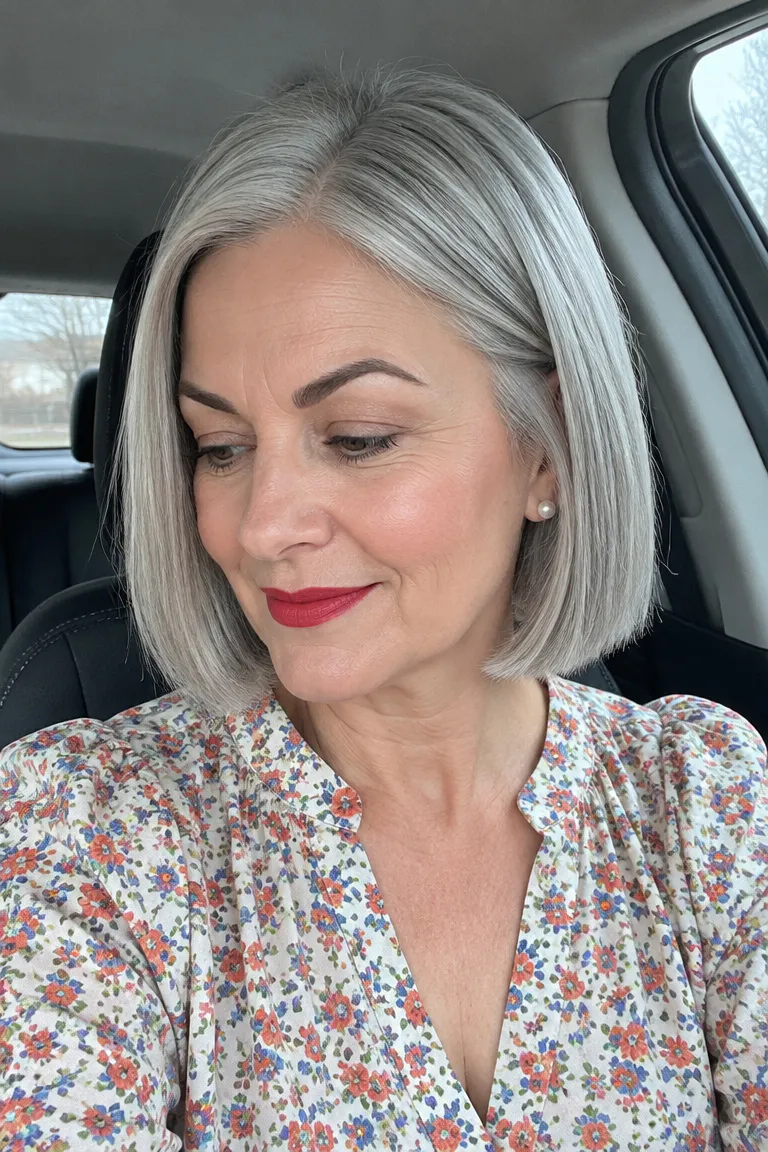
Gray or silver hair often looks fuller in a blunt shape because the clean outline keeps the color looking intentional. Thin gray strands can read wispy when the cut is too layered, especially in strong winter light.
A blunt cut gives the ends more visual weight and helps the shape stay clear as it grows out. That makes it a strong option if you want fewer salon touch-ups and a cut that holds its line for several weeks.
Keep the length compact enough that the ends don’t fray into an uneven edge. This cut works best when the stylist avoids aggressive thinning and lets the color stay the focus.
15. Crown-Lift Bob

A crown-lift bob is built for hair that goes flat on top first. The shape keeps the sides controlled while building height through the crown, so the silhouette looks fuller without making the ends too bulky.
Ask your stylist to keep the back and crown supported rather than removing too much weight from the top. The lift should come from the cut structure, not from heavy teasing or a lot of product.
Ask your stylist: Request extra height through the upper back and crown, plus a dense perimeter. That combination helps thin hair keep a balanced outline when hats or dry indoor air flatten the roots.
16. Grow-Out Friendly Cut
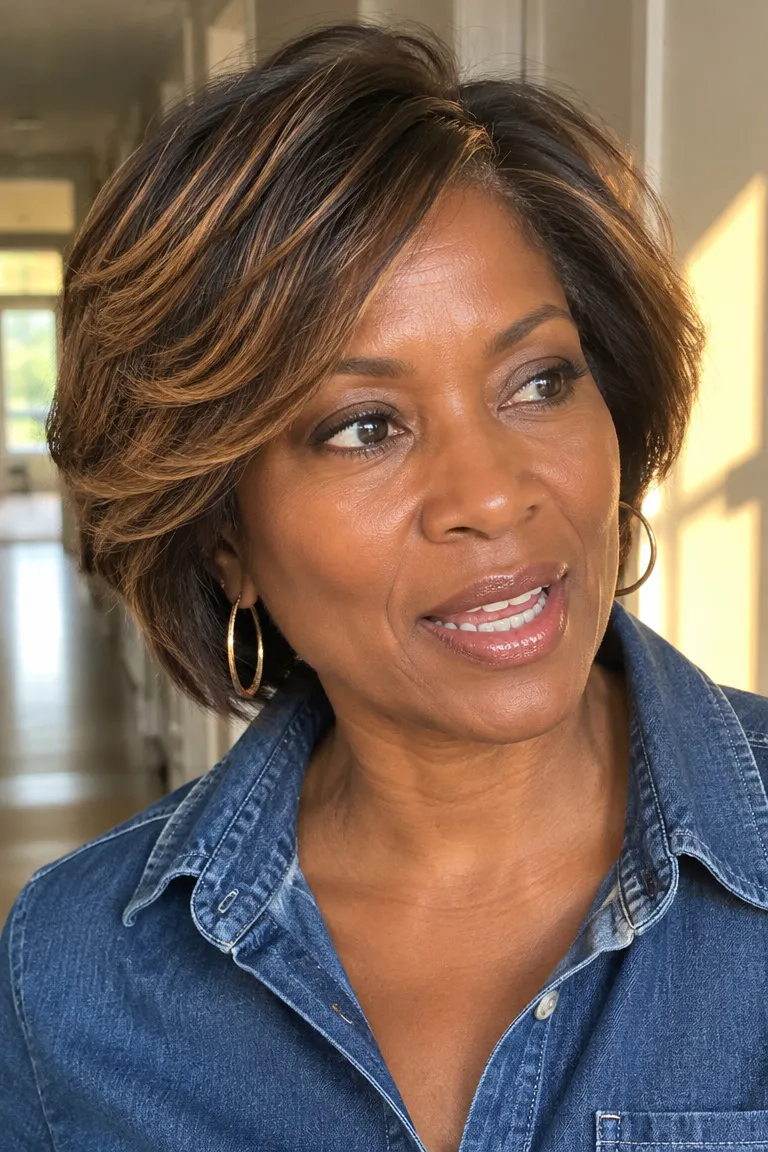
A grow-out friendly cut is the safest choice if you want a style that still looks good six to eight weeks later. The shape depends on a soft perimeter and light internal movement, so it doesn’t turn awkward as soon as it starts to lengthen.
This approach works well for busy schedules because it reduces the need for constant reshaping. It also helps thin hair stay readable as a full shape instead of splitting into uneven pieces.
- Choose a soft perimeter instead of sharp disconnects.
- Keep layers long enough to blend as they grow.
- Avoid heavy thinning that can leave sparse ends visible later.
Keep the Shape Full Through Winter
For thin hair in winter, the best cut is the one that keeps its edge after hats, static, and dry indoor air. If you want the safest bet, choose a blunt perimeter at chin, bob, or lob length, then ask for only the amount of layering needed to support lift at the crown.