If your current short cut feels puffy at the neck, flat at the crown, or too blunt around the face, an undercut pixie bob can fix the shape without making the haircut feel harsh. The right version depends on where you need less bulk, how much forehead coverage you want, and whether you’re willing to come in for trims every 4 to 6 weeks.
Use the fit check as you read: if your hair swells in humidity, keep the nape tighter; if your front pieces go flat, keep the crown longer; if grow-out needs to be easy, avoid a high undercut. You’ll be able to match the cut to straight, wavy, curly, fine, thick, or silver hair and know what to ask for at the salon.
1. Nape-Cut Pixie Bob
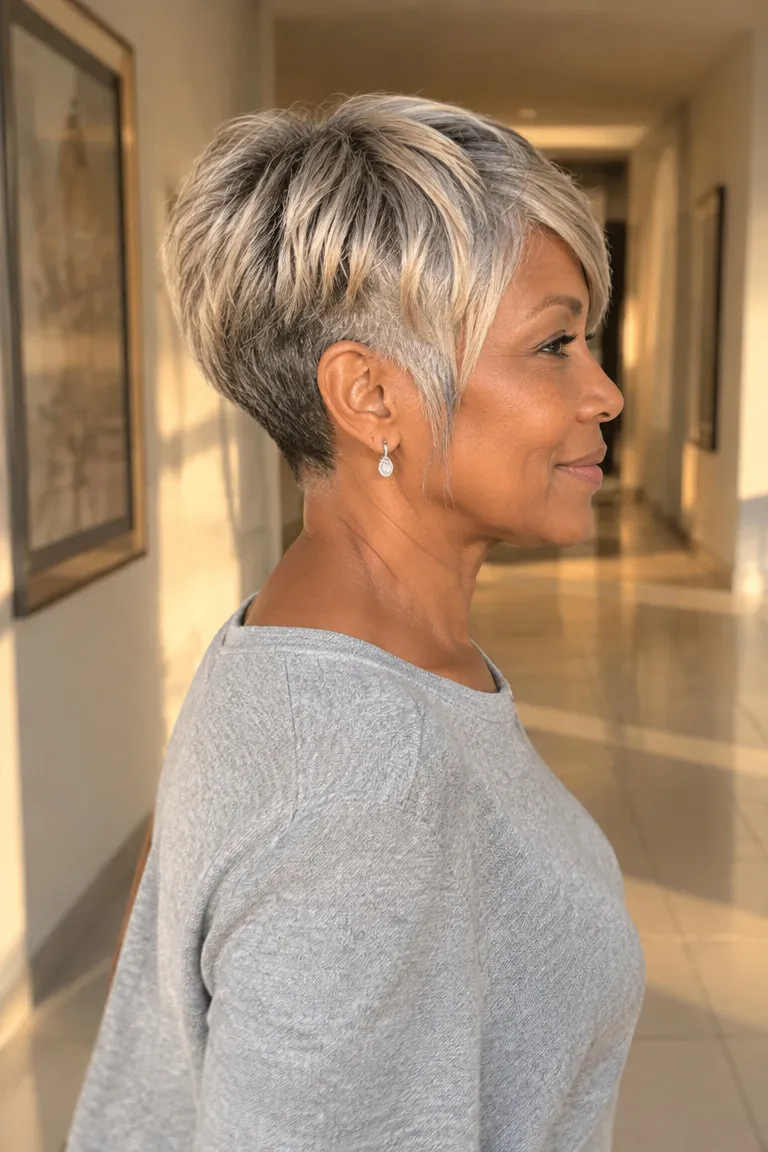
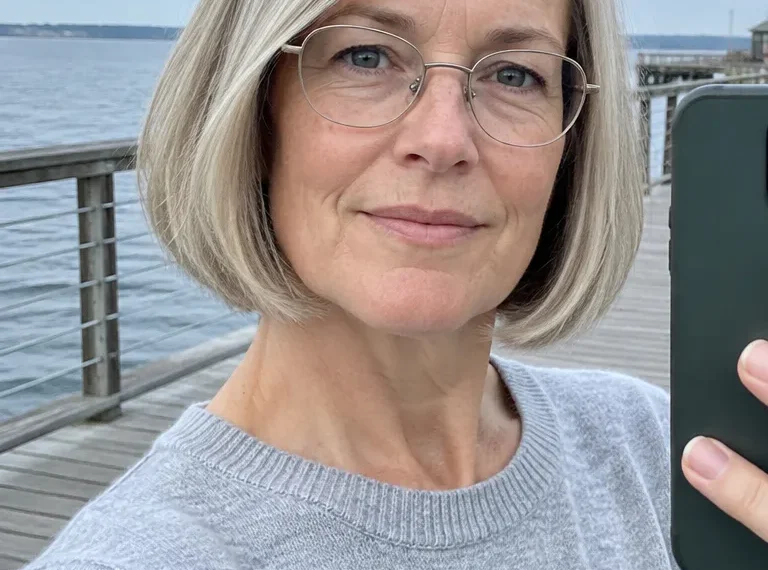
A nape-cut pixie bob works best when you want the neckline to look clean without losing softness around the face. The close undercut removes the bulky area that often puffs up in humid weather, while the longer top pieces still skim the jaw instead of exposing everything at once.
This shape suits straight or slightly wavy hair that grows out wide at the back. It also helps if you wear your hair neat for work or a special event and don’t want the nape to flip out after one afternoon outside.
Maintenance tip: Book cleanup trims every 4 to 6 weeks if you want the nape to stay tight. Ask for the undercut to stop low enough that the grow-out line doesn’t show through the top layers too soon.
2. Side-Swept Fringe Bob
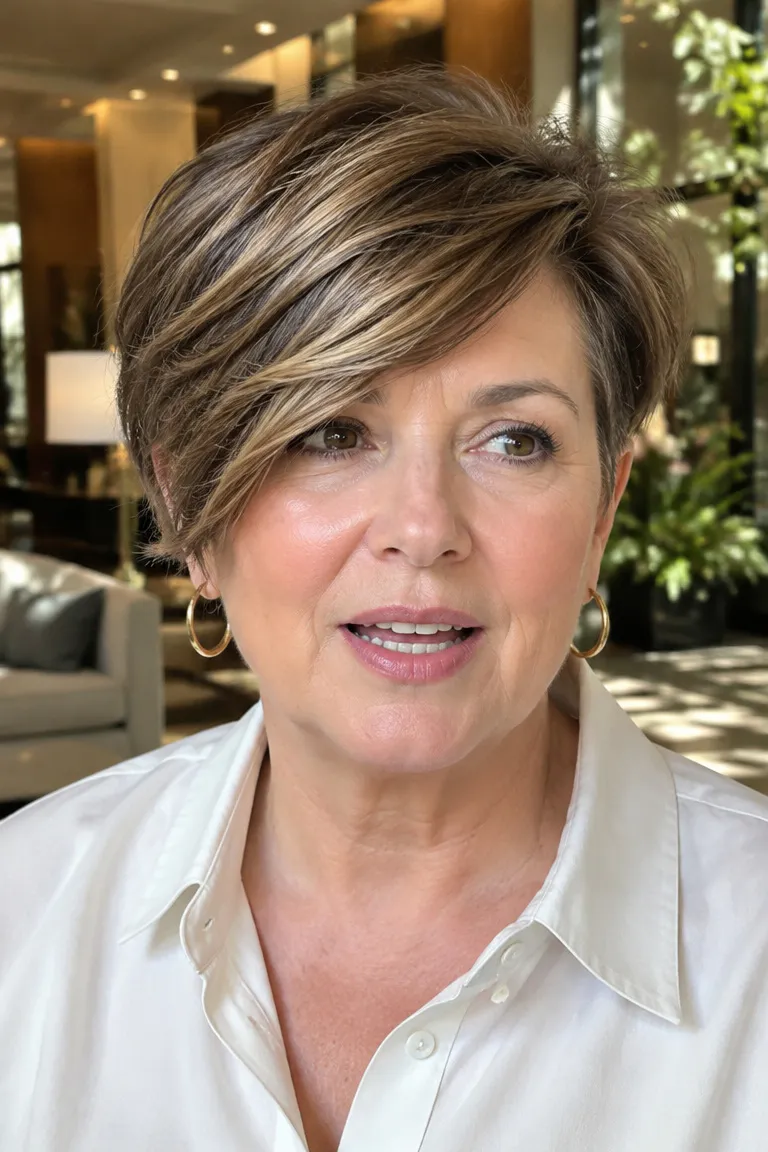
A side-swept fringe bob gives you forehead coverage and a softer front line, which helps the undercut feel less stark. The longer fringe also helps balance heart and oval faces by drawing the eye diagonally instead of straight across the brow.
This cut is a solid pick for fine hair because the fringe creates the look of more density at the front. If your hairline is uneven or your forehead feels too exposed in short cuts, this is one of the easiest ways to keep the shape feminine without adding length everywhere.
- Ask for a fringe that blends into the side layers, not a disconnected slab of hair.
- Keep the front long enough to tuck behind the ear on one side.
- Use a round brush only at the fringe if you want a quick 5- to 10-minute finish.
3. Crown-Volume Shape
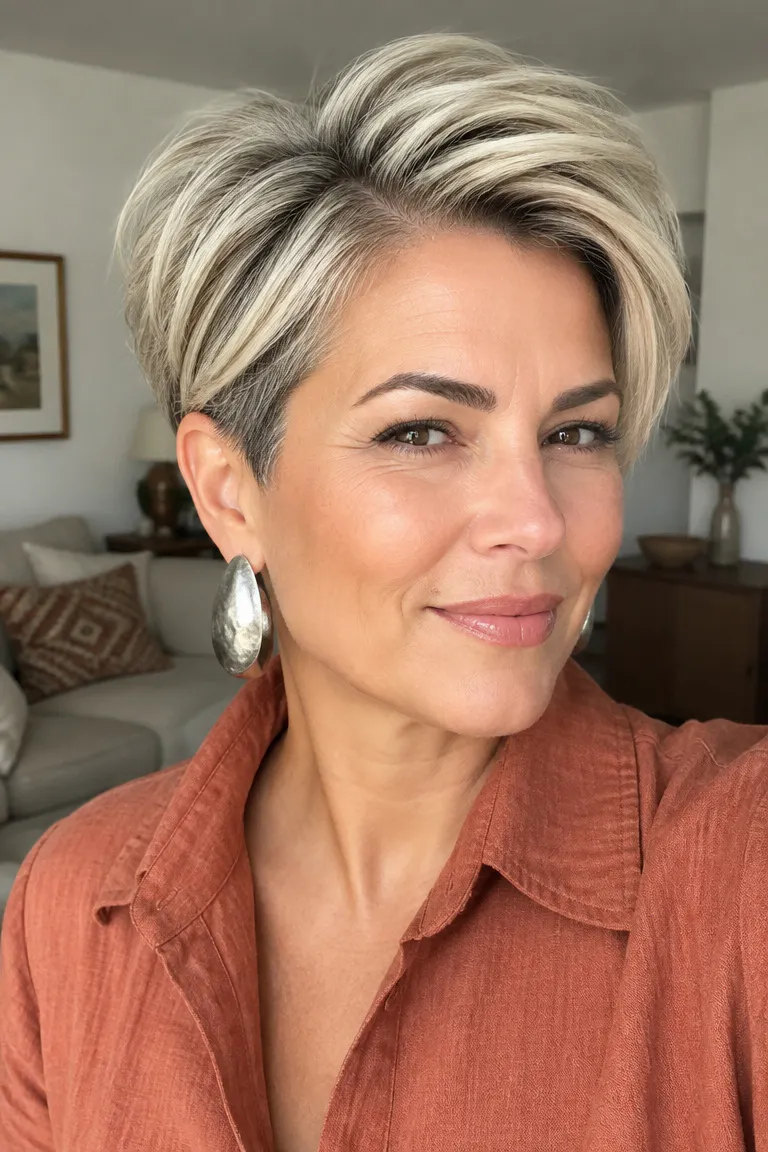
A crown-volume shape is the better choice when thinning hair needs lift on top instead of width at the sides. The undercut removes lower bulk, while stacked crown layers create height, which keeps the profile balanced on round and square faces.
This cut does take a little product at the roots, but it doesn’t need heavy styling if the layers stay soft. If you want more fullness without a stiff finish, ask for internal shaping rather than aggressive razor work.
Ask your stylist: Request light stacking at the crown and a softer perimeter around the ears. That gives the top enough structure to stand up while keeping the sides from flaring outward.
4. Wavy Air-Dry Bob
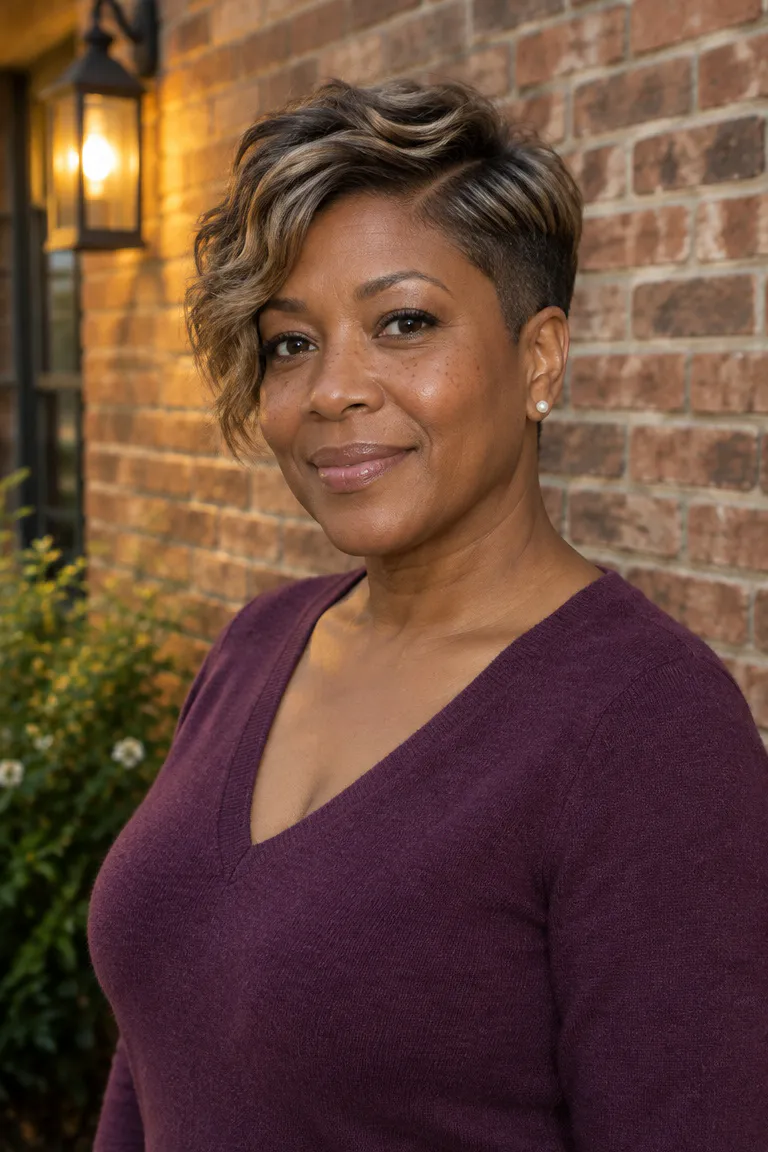
A wavy air-dry bob keeps natural movement intact while removing the weight that makes waves collapse or spread into a triangle. The undercut gives the wave pattern room to sit on top, so the shape reads controlled instead of bulky.
This is a strong option for readers who want a wash-and-go cut during warmer months or on busy weeks. A little mousse or wave cream is enough; too much smoothing product can flatten the lift and make the haircut lose its edge.
For more options that keep texture without a lot of daily work, see short hairstyles for women over 50 that make fine hair look thicker and compare how much crown fullness each cut keeps.
5. Silver Texture Bob
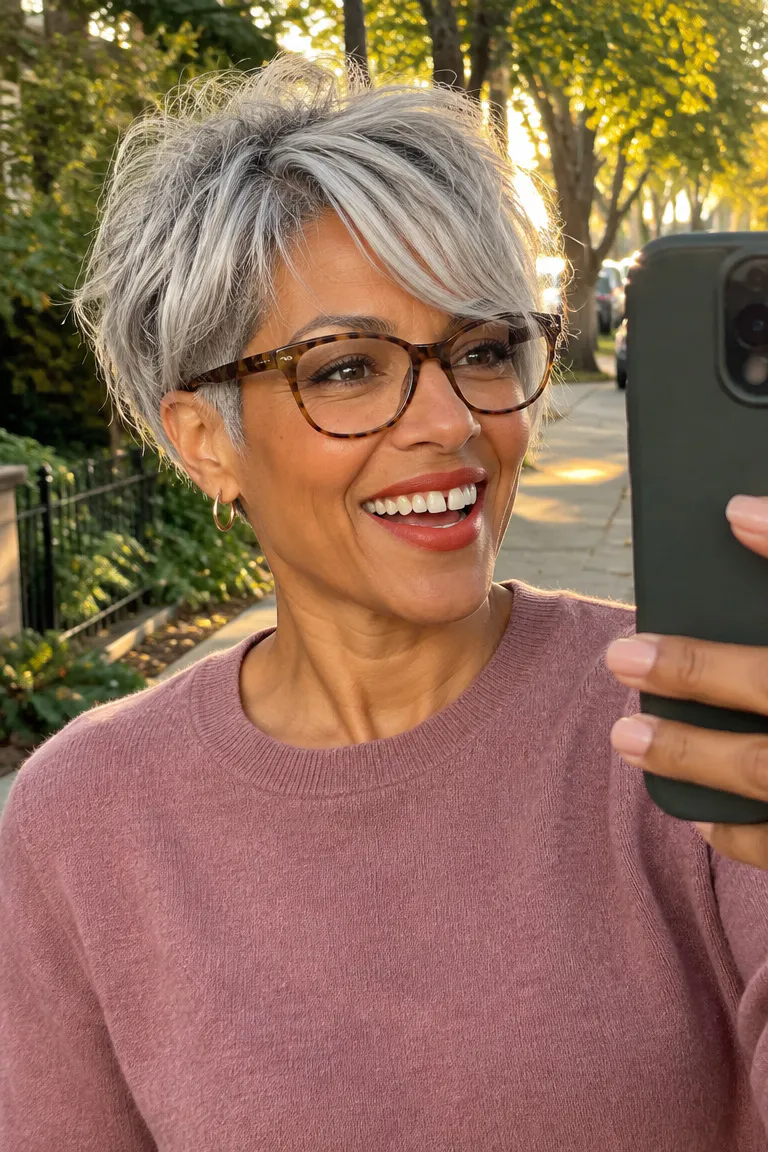
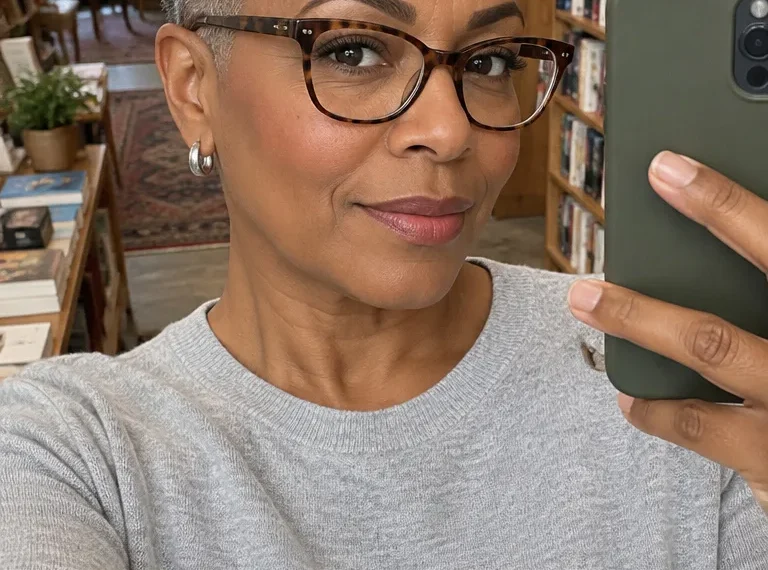
A silver texture bob is useful if your gray hair feels dense but needs shape, not more bulk. The undercut lightens the back, and choppy top layers let the silver reflect light instead of sitting in one heavy block.
This cut looks especially clean when the finish stays a little piecey. If your silver hair is coarse, a small amount of wax or cream can separate the ends without making the outline puffy.
Readers who want more gray-friendly short options can also look at soft pixie cuts for women over 50 with fine hair for shapes that keep the top light and polished.
6. Curly Undercut Bob
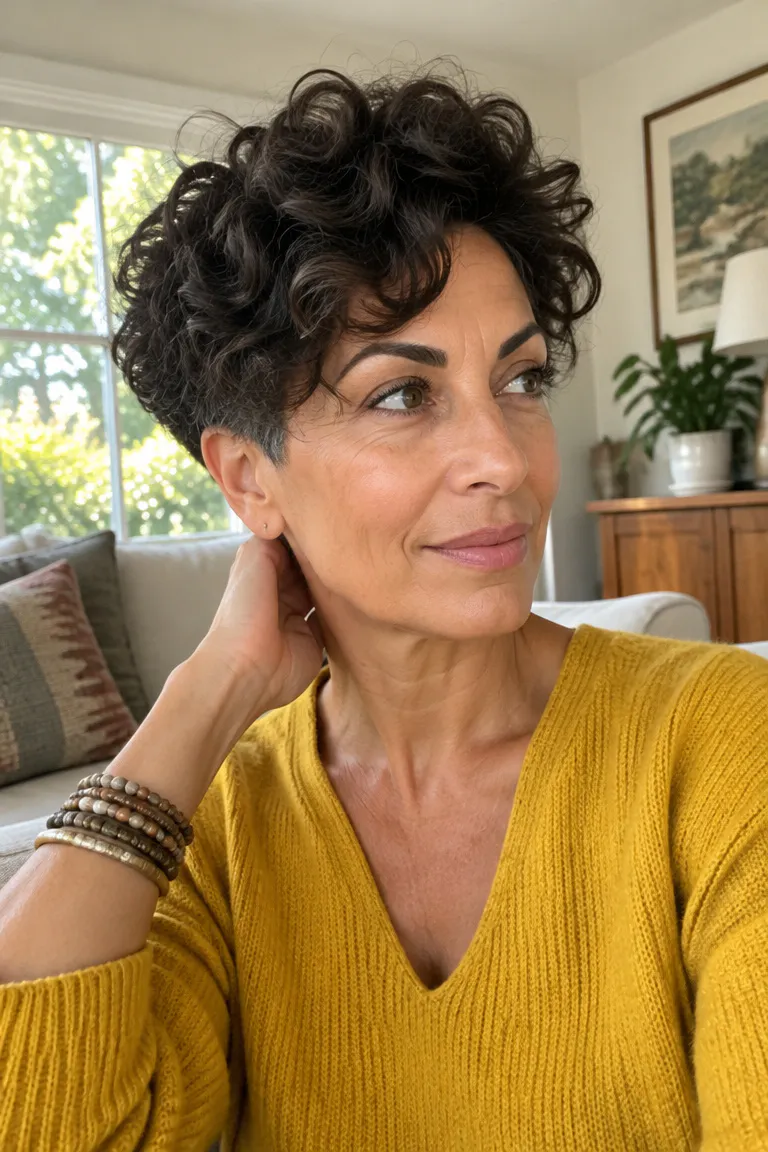
A curly undercut bob works when curls need room on top but less bulk at the sides and nape. The shorter undercut keeps the base neat, while the longer top lets the curl pattern stack naturally instead of spreading outward.
This shape is especially helpful for thicker curls that get wide through the back of the head. It also keeps the neckline cleaner if you live with daily humidity, since the curls won’t sit directly on the nape.
Comfort check: Ask for the top to be cut curl by curl so the shape follows your pattern, not a guessed straight line. That matters most if your curls shrink a lot as they dry.
7. Asymmetrical Edge Bob
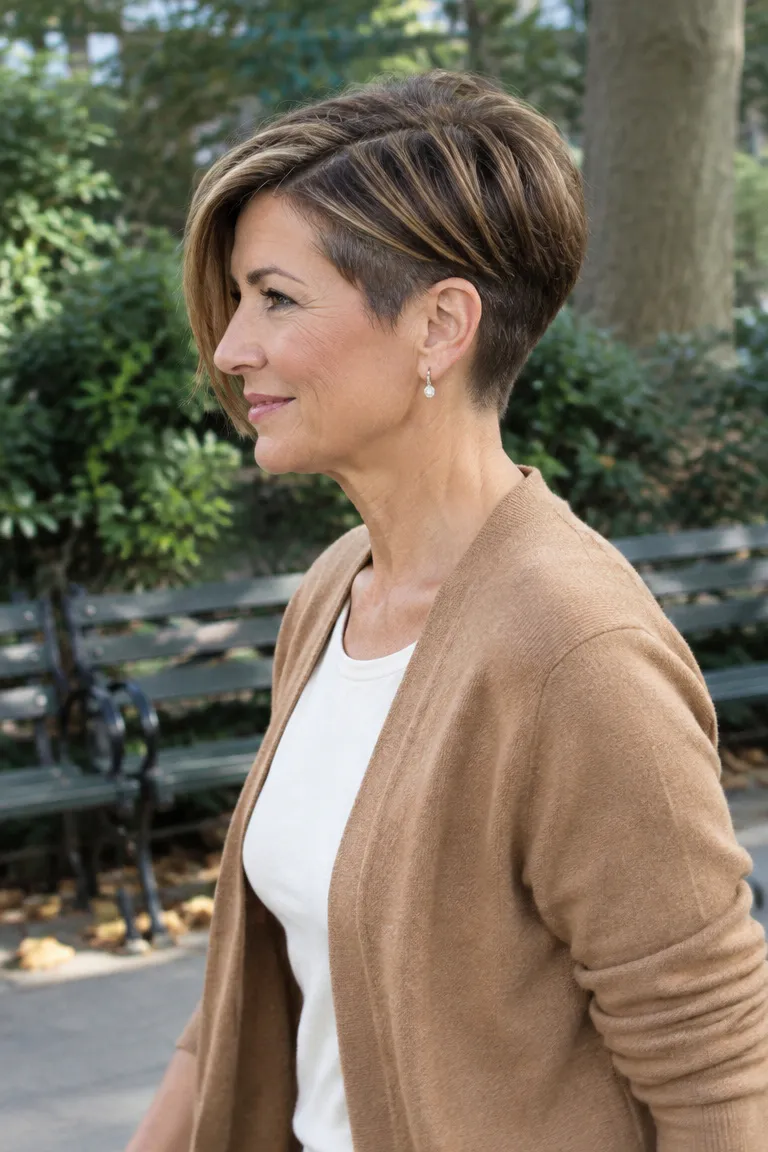
An asymmetrical edge bob gives you a sharper profile without going blunt or severe. One side stays longer and sweeps forward, while the shorter side hides the undercut and keeps the haircut looking deliberate.
This shape can narrow a stronger jawline and add direction to the face, which is useful if you want the cut to feel modern without looking hard. It does need a quick morning shape-up so the longer side doesn’t flip outward and fight the line.
If you like a more structured short cut, compare it with the bob haircuts for women over 50 with thin hair to see which version gives you more fullness around the sides.
8. Soft Feathered Bob
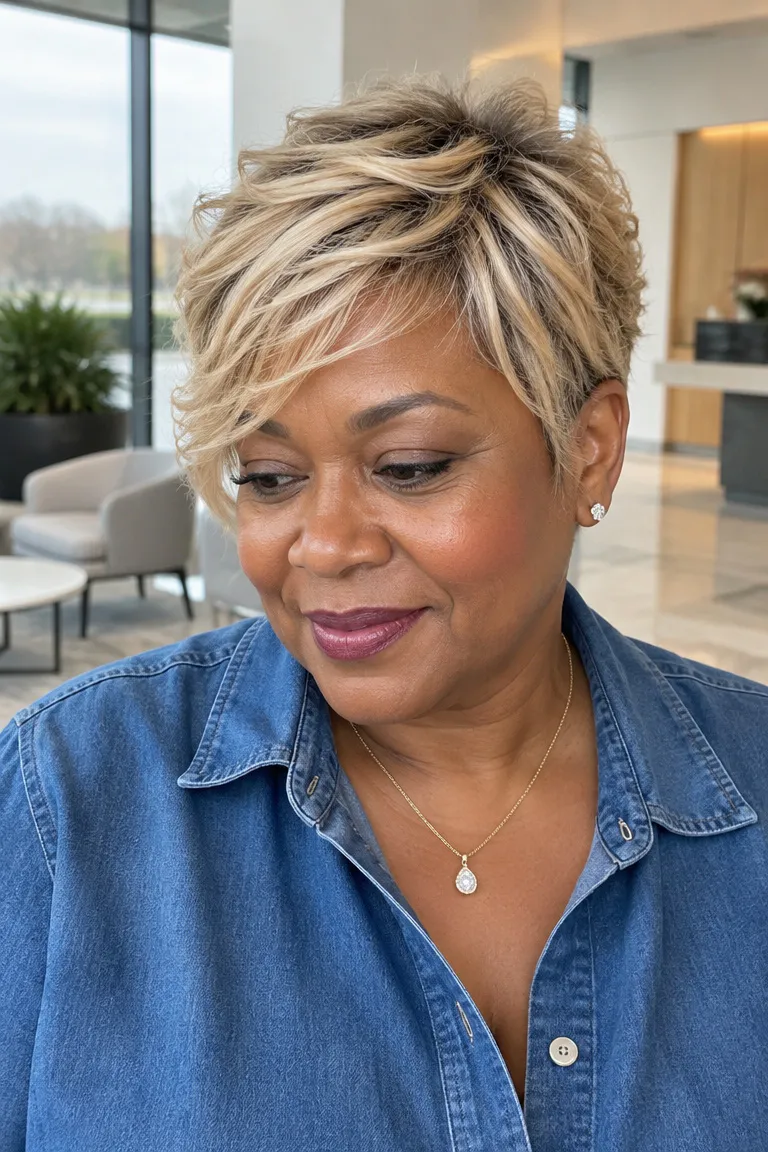
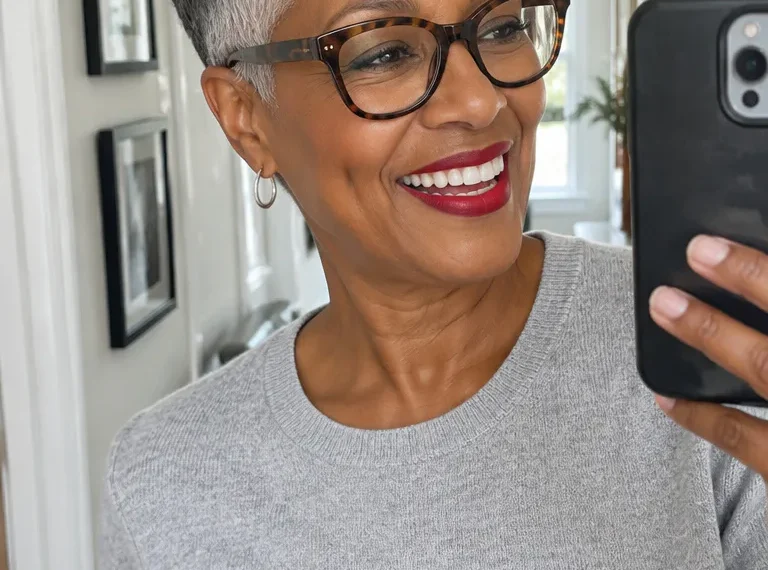
A soft feathered bob is the least severe way to wear an undercut pixie bob. Feathered ends blur the line between the short undercut and the longer top, so the haircut feels airy instead of sharply clipped.
This is a good match for longer faces or anyone who wants the neck exposed without a shaved-looking finish. The feathering also hides some of the grow-out, which makes the cut easier to live with between appointments.
Maintenance tip: Choose a lightweight blow-dry cream if you want the ends separated but not stiff. Heavy smoothing creams can collapse the feathering and make the whole shape look flatter.
9. Long Top Pixie Bob
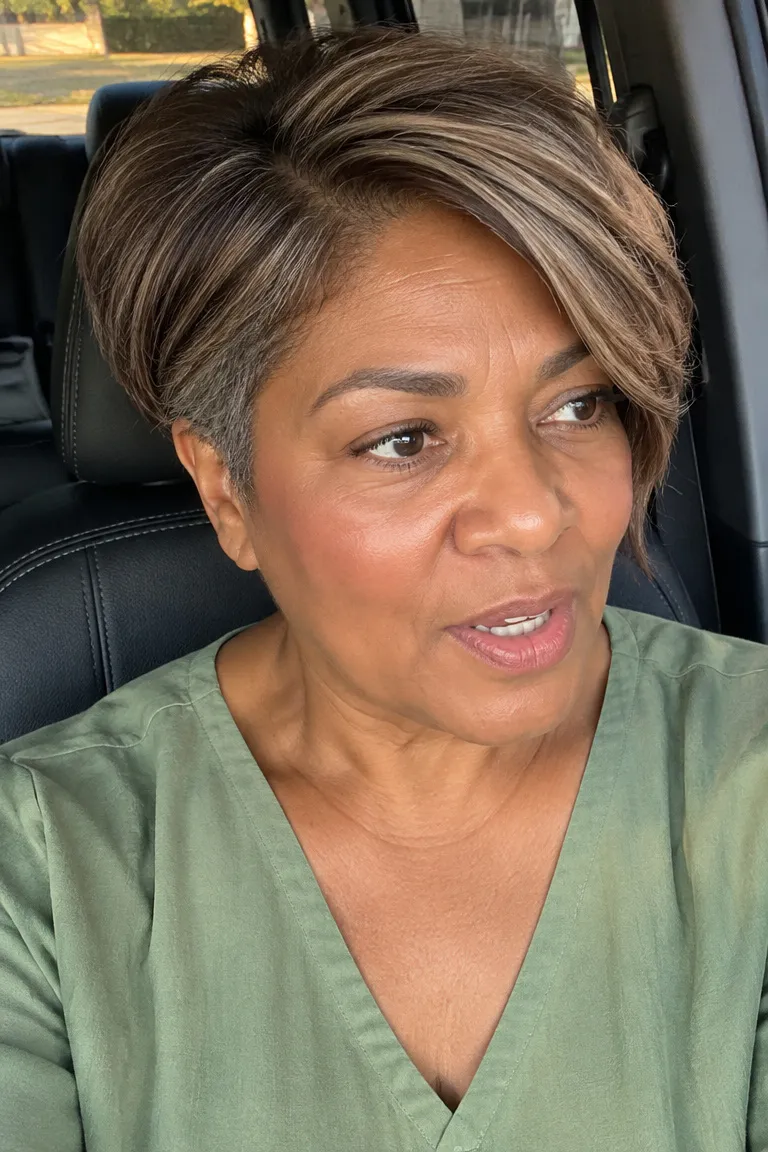
A long top pixie bob gives you the most flexibility because the shortest sections stay hidden under the shape while the crown and front keep enough length to move several ways. You can sweep it over the forehead, tuck it, or leave it loose without changing the cut itself.
This version is practical if you want the lightness of an undercut but still need options for part changes or pinning the front back. It also helps balance a wider forehead or a stronger jaw because the longer top adjusts the proportions.
- Ask for enough crown length to pin back without exposing the undercut too high.
- Keep the front long enough to sweep across the forehead if you want soft coverage.
- Avoid cutting the top too short in the first appointment if you want future styling room.
10. Tapered Round Bob
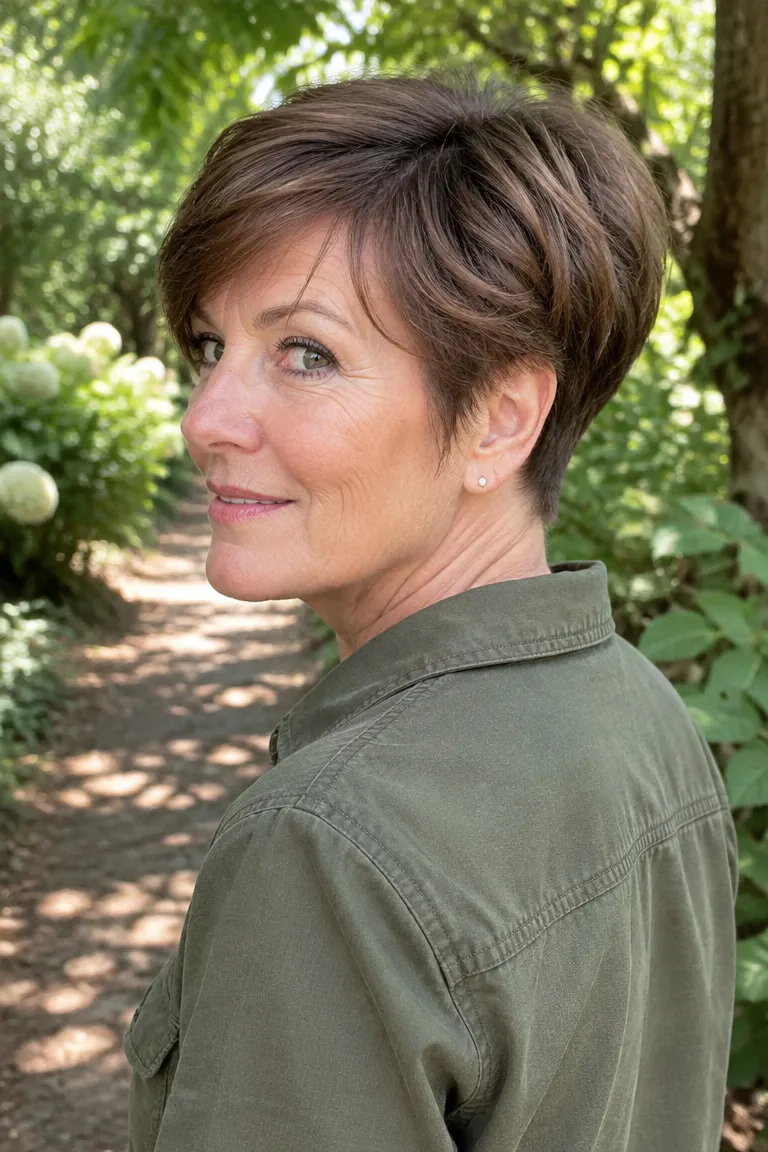
A tapered round bob softens the outline instead of building a stacked corner at the back. The taper removes bulk gradually from crown to nape, so the haircut feels neat without the sharp change some shorter cuts create.
This is a good option for fine to medium hair that needs shape but not heaviness. It avoids a mushroom effect by keeping the sides close and the top gently rounded, which makes it easy to wear on days you don’t want to style much.
Comfort check: The gradual taper feels less drastic than a full shave, so it’s a smart first undercut if you’re unsure how short you want to go. Ask for a low undercut if you want the neckline to stay discreet as it grows.
11. Piecey Choppy Bob
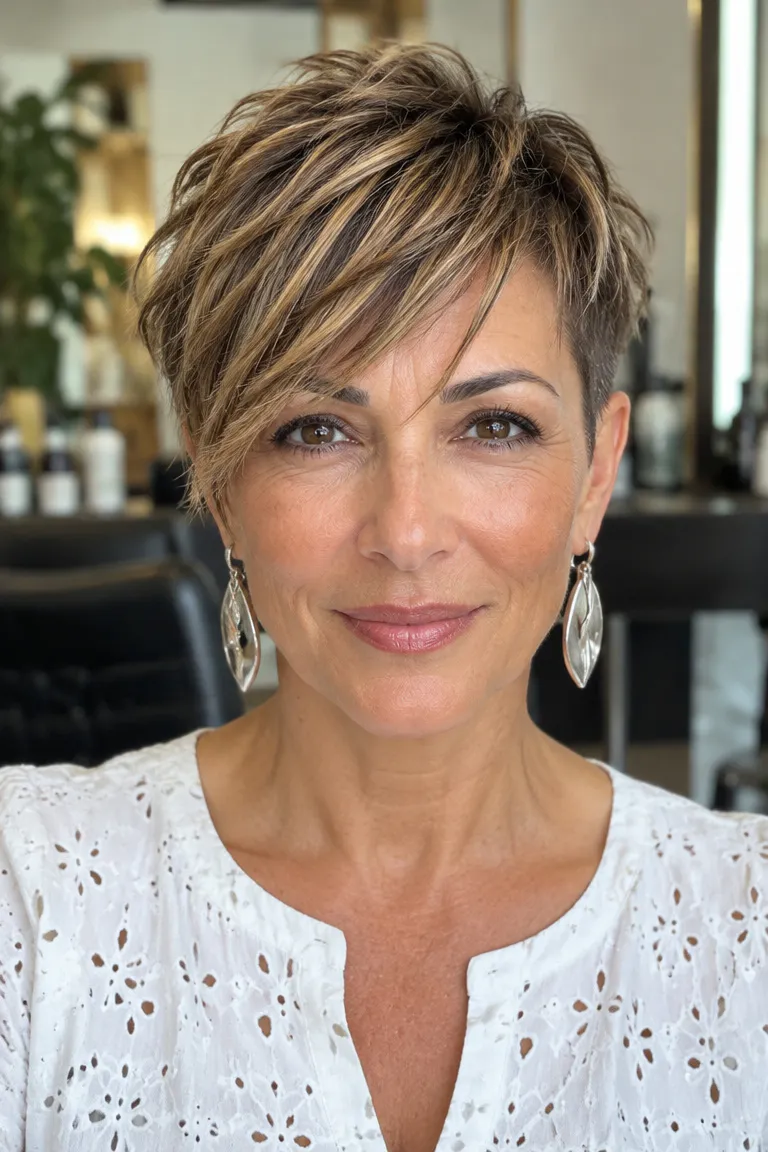
A piecey choppy bob is a strong choice if texture matters more than a smooth finish. Choppy ends break up density, which can make fine hair look livelier and thick hair feel lighter through the mid-lengths.
This cut looks best with a matte paste or light texturizing cream that separates the pieces instead of smoothing them into one shape. The irregular ends keep the face frame soft, so the haircut reads edgy without turning harsh.
If you want a similar texture-first approach on short hair, look at short hairstyles for fine hair over 50 for more ways to keep movement in the crown and fringe.
12. Grow-Out Transition Bob
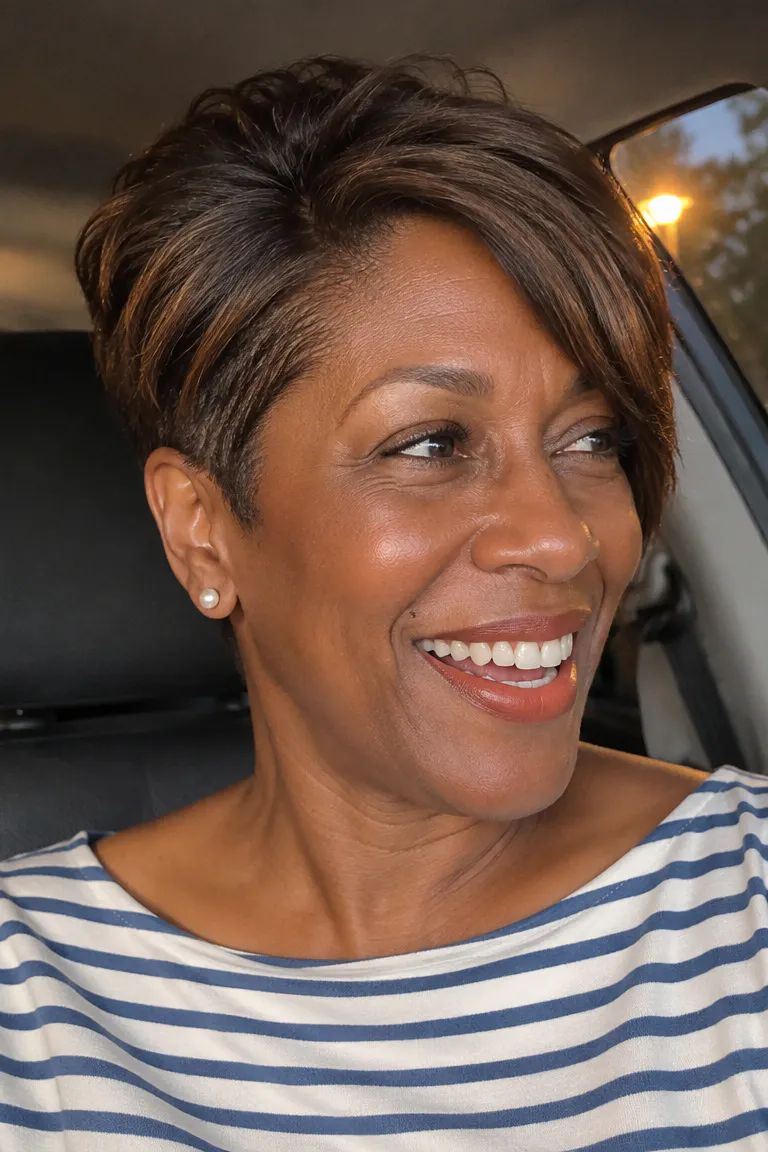
A grow-out transition bob is the smartest pick if you may want to move from pixie length toward a fuller bob later. The undercut stays low, and the side lengths stay a little longer, so the shape can blend as it grows instead of jumping into a hard line.
This cut works well for someone testing short hair for the first time or trying to cut back on salon visits. It still looks neat between appointments if the top keeps its layers and the back isn’t clipped too high.
Ask your stylist: Request a grow-out map before you leave the salon. That means the next trim should support the transition instead of restarting the cut from scratch.
Which Pixie Bob Fits Your Routine?
Choose the version that matches your upkeep, not just your photo inspiration: tight nape for humid weather, longer top for flexibility, or a soft taper if you want the least dramatic grow-out. Bring one clear detail check to the salon—where the undercut sits—so the cut works with your routine instead of against it.