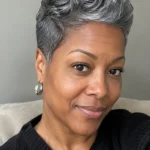
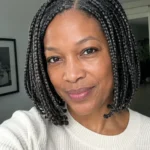
Thinning edges change what a short natural style can safely do. Tight slick-backs, heavy gel, and small sections started right at the temples can make the front feel worse by the end of the week.
The styles below give you choices based on how much scalp contact you want, how much daily styling you can handle, and how much front coverage you need. A good fit check: if a style needs strong brushing at the hairline, move to a softer shape or ask for the part or sectioning to start half an inch back.
1. Tapered Fro
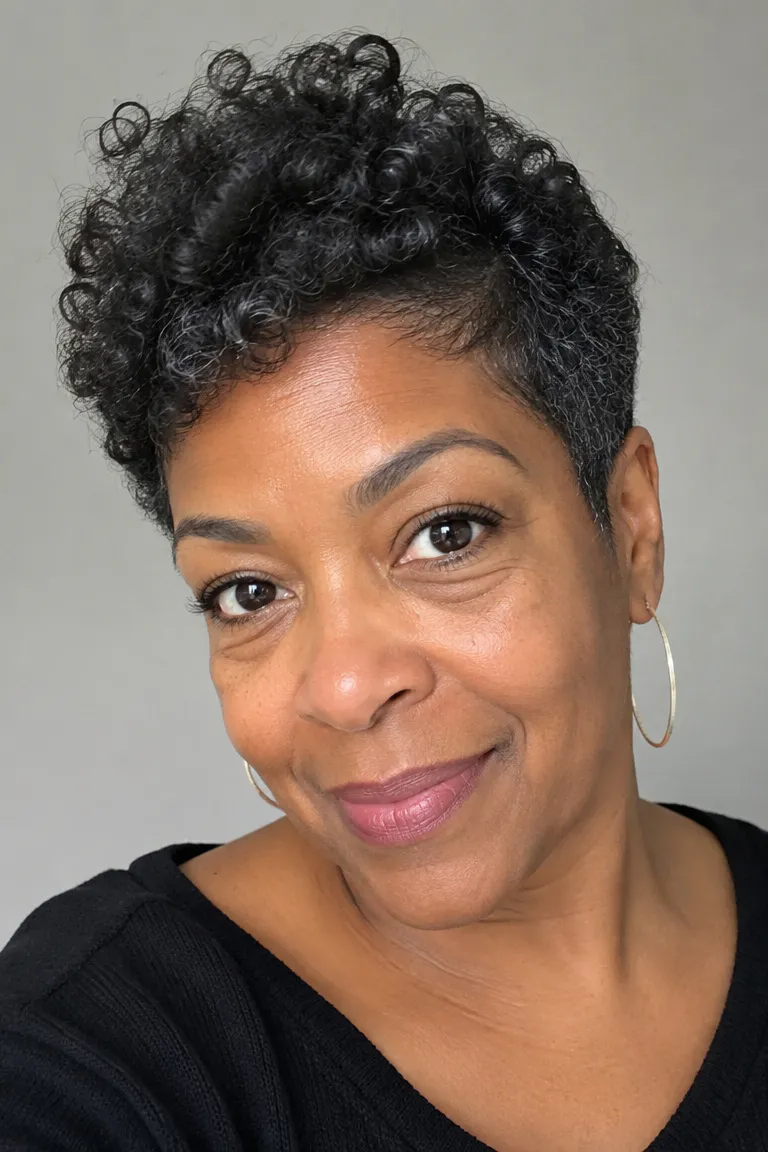
A tapered fro keeps the shape full where the hair can support it and lighter where the hairline needs relief. The short sides and back reduce bulk, while the top still shows coil pattern and height without forcing the front to lie flat. That makes it a strong option if your edges feel tender after slicking or repeated retwisting.
This cut works especially well on fine short coils because the shape does most of the styling work. Ask for a soft taper rather than a sharp buzz at the temples if you want a gentler frame around the face. A forward or side fringe can cover sparse corners without looking forced.
Ask your stylist: Keep the top long enough to curl, but ask them to leave the front soft instead of carving a hard line into the hairline.
2. Close Crop With Fade
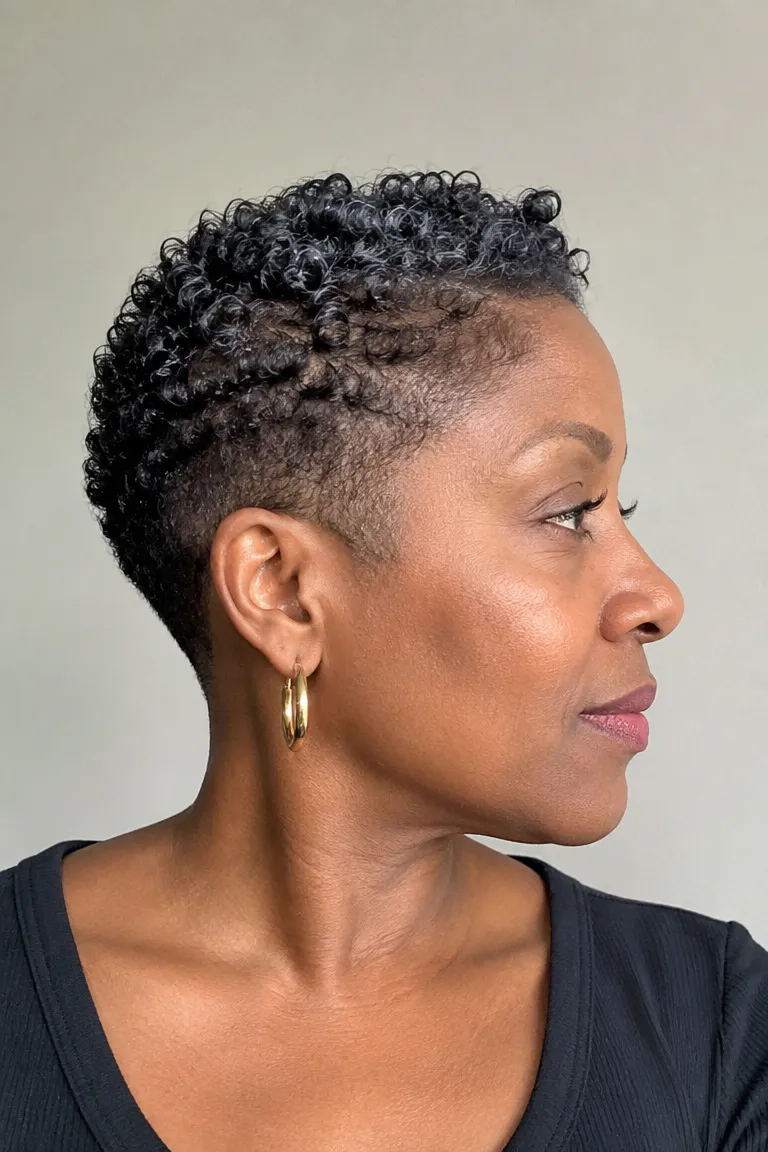
A close crop with a soft fade gives you the lowest-maintenance option in this list. There’s less daily handling, less product buildup, and less need to stretch the hairline with brushing or edge control. The outline stays clean even if your coils are fine or uneven in density.
This cut is practical for hot weather, gym days, travel, or any stretch when you want hair to dry fast and stay off your neck. Keep the fade soft rather than skin-close if you prefer a little visual fullness around the temples. The shape should read neat, not severe.
- Best for: quick wash-and-go routines
- Skip if: you want enough length for twist-outs or coils
- Ask for: a low, soft fade with texture left on top
3. Side-Part Finger Coils
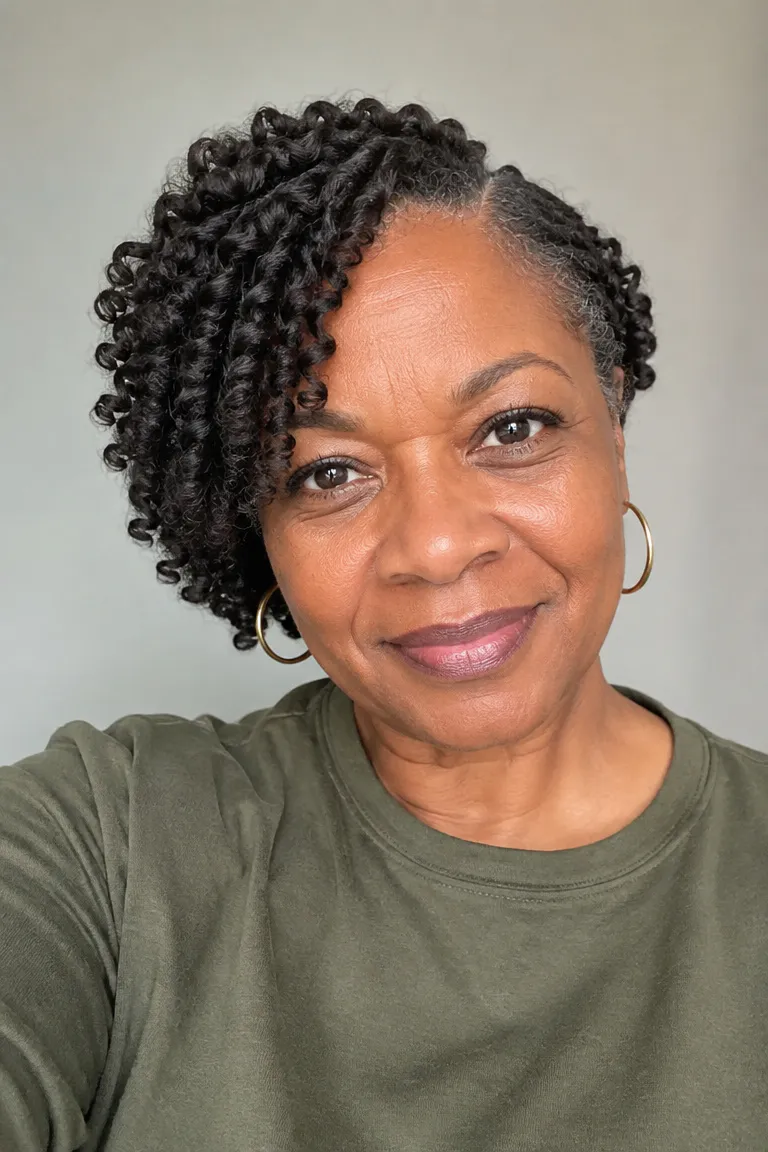
A deep side part changes where the eye lands, which helps if the front hairline is the area you want to soften. Finger coils create a defined finish without needing tight braids or heavy smoothing, and the side sweep keeps the shape from sitting flat across the forehead. The result is polished without looking stiff.
Keep the coils loose enough to move and small enough to hold their shape for several days. If your hair is fine, use fewer sections and avoid twisting right at the very edge of the hairline. This style also pairs well with short curly hairstyles for Black women over 50 with fine hair if you want more shape ideas with the same texture family.
Maintenance tip: Refresh with a small amount of water and light leave-in only on the coil ends. Avoid re-twisting the front every morning.
4. Soft Twist-Out Shape
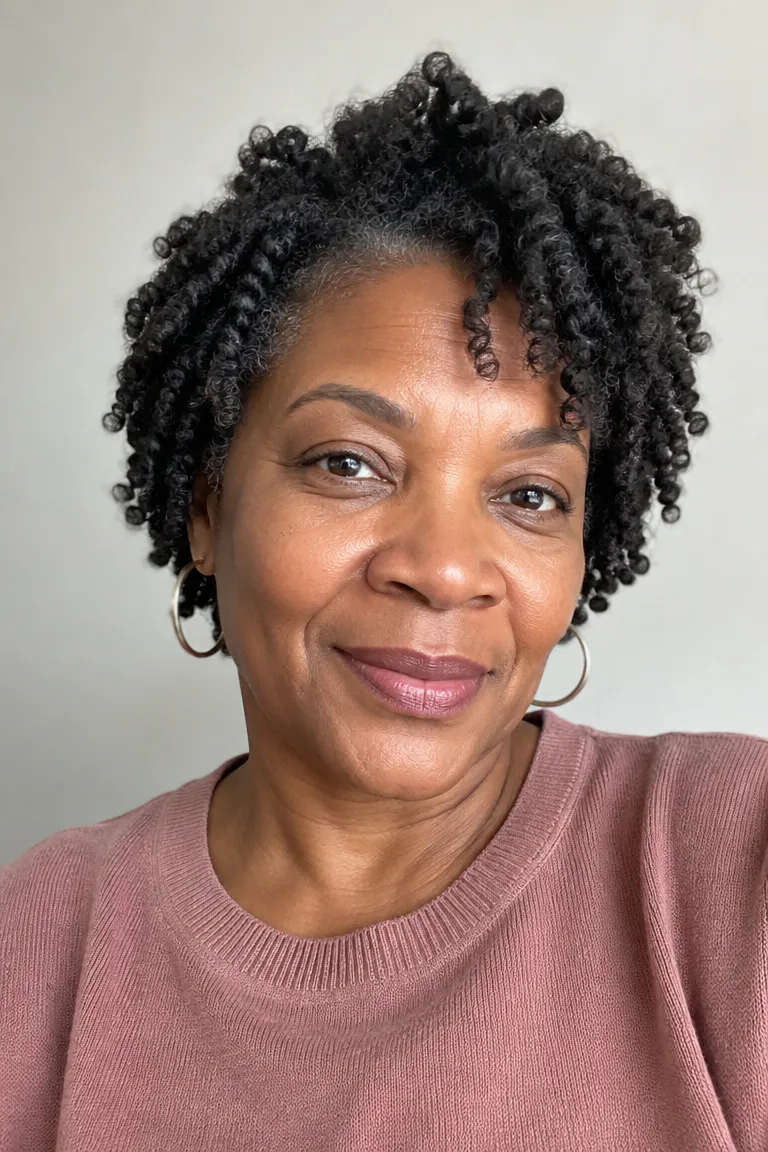
A short twist-out gives texture and softness without forcing the front to be tightly laid down. Medium sections usually hold better on short natural hair than tiny ones, and they create a fuller finish that reads airy instead of packed. If your edges are thinning, start the twists slightly behind the hairline so the front stays comfortable.
This style is useful when you want some movement around the temples and a shape that still looks finished on day two. Use a light cream or mousse on damp hair, then separate only enough to open the pattern. Too much separating can leave the front fuzzy and tempt you to over-manipulate it.
For more texture-heavy options, see wash-and-go hairstyles for older Black women with short curly hair if you like compact routines that still show curl pattern.
5. Curly Top Pixie
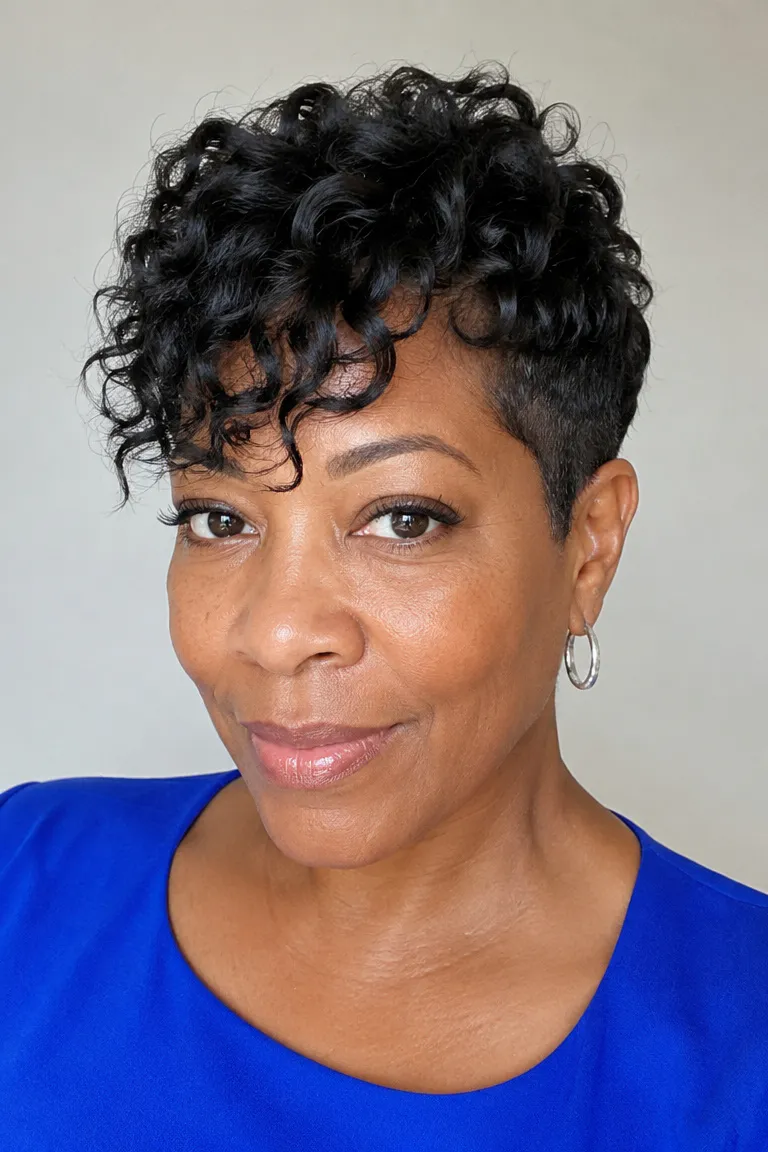
A curly pixie keeps the attention on the top while the sides stay short and easy to manage. That balance helps when the temples need a break from tension, since the cut doesn’t depend on a full, brushed-forward hairline. A soft fringe can also blur sparse spots without a hard edge.
Ask for a pixie that follows your curl pattern instead of flattening it into a straightened shape. Shorter sides and a slightly longer crown usually give the best lift for older Black women who want volume without a lot of manipulation. This is also a good match if your hair shrinks a lot and you want a cut that still reads intentional.
Comfort check: If the front has to be brushed down daily to keep the shape, ask for less length at the crown and a softer forward curve instead.
6. Tapered TWA Shape
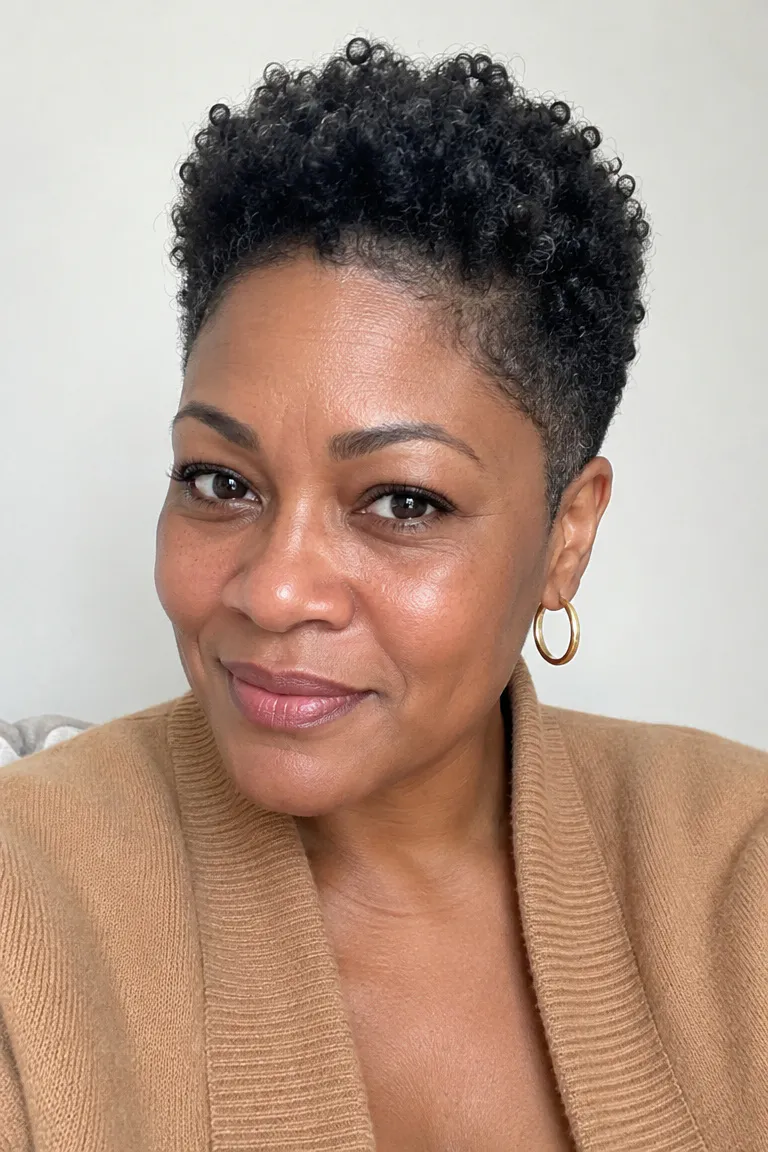
A tapered teeny weeny afro gives you a neat perimeter with enough texture left on top to frame the face. The shorter sides reduce weight near the temples, while the top keeps the style from looking too flat or overly close. It’s a smart choice for dry or fragile-feeling hair because it cuts down on daily styling time.
The shape should stay balanced, not boxy. Ask for more length through the top than the sides so the outline lifts slightly above the forehead instead of pressing straight across it. If you prefer a fuller look, a tapered TWA often gives more softness than a close crop while still being easy to maintain.
If you want more short shape ideas, older Black women hairstyles for short natural hair has additional cuts that keep the front light and the sides controlled.
7. Soft Finger Waves
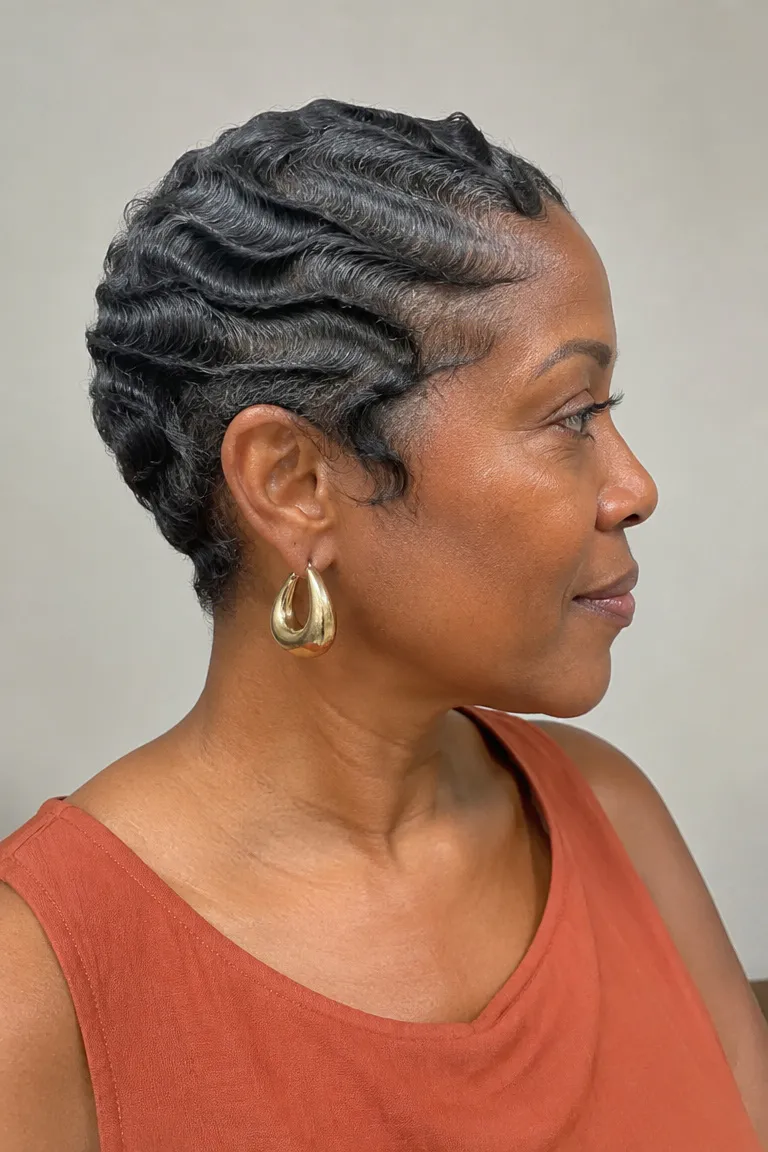
Soft finger waves work when you want a polished finish that stays close to the head without braid tension or extensions. The pattern can look formal enough for church, dinner, photos, or any setting where you want a neat short style that lasts several days. Loose waves are easier on thinning edges than tight sculpting.
Ask for shallow waves that start a little back from the hairline if your front area is sensitive. Heavy brushing and thick gel can make this style feel too tight, so the goal is a smooth shape with enough space at the temples. A side profile looks especially good with this cut because the waves create depth without volume at the edge.
- Best for: several days of wear
- Avoid: hard brushing at the hairline
- Ask for: shallow waves with a soft front line
8. Low-Flat Twist Style
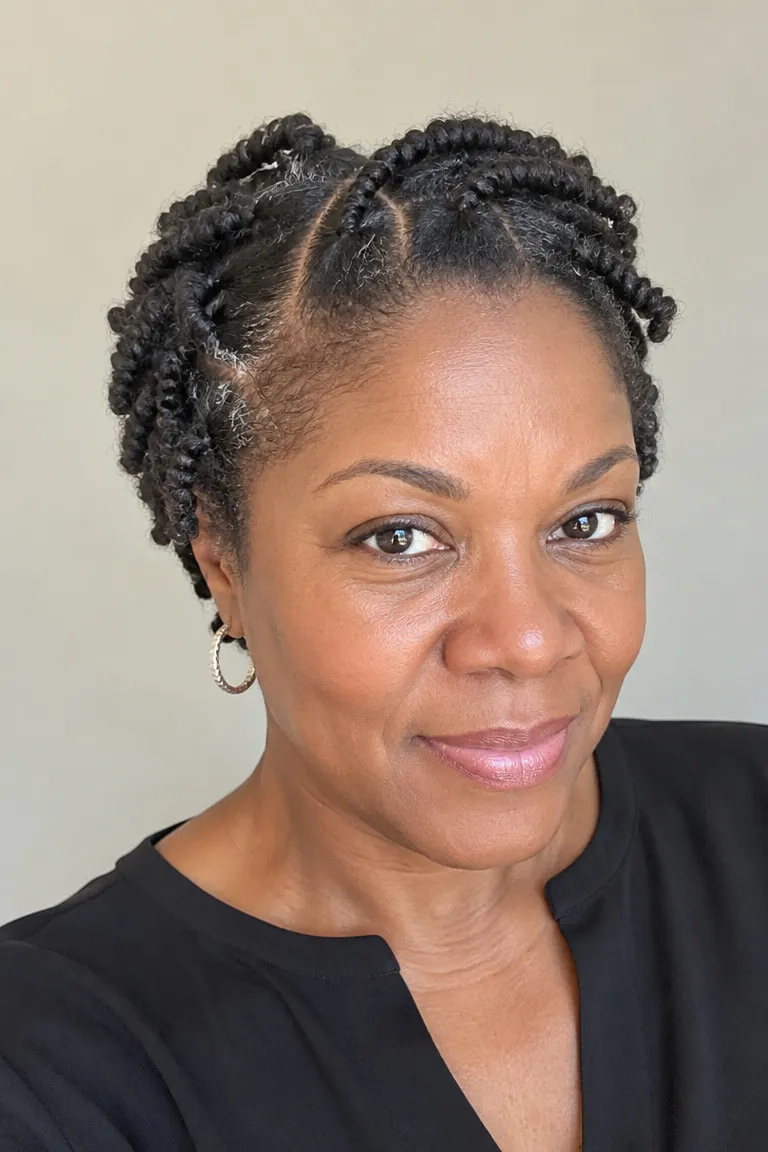
Flat twists can look neat and directional, but they need gentle placement to stay friendly to thinning edges. Two to four low twists usually put less stress on the front than a full set of tight partings. Starting them slightly behind the temples also helps keep the edge area from feeling tugged.
This is a good option if you want a short protective-style look without the weight of extensions. Keep the parts clean but not razor-thin, since tiny sections can invite tension and extra scalp exposure. A low flat-twist style also makes sense in humid weather because it stays compact without requiring much daily restyling.
Ask your stylist: Request medium parts, loose tension, and twist placement that begins behind the weakest part of the hairline.
9. Rounded Afro Puff Cut
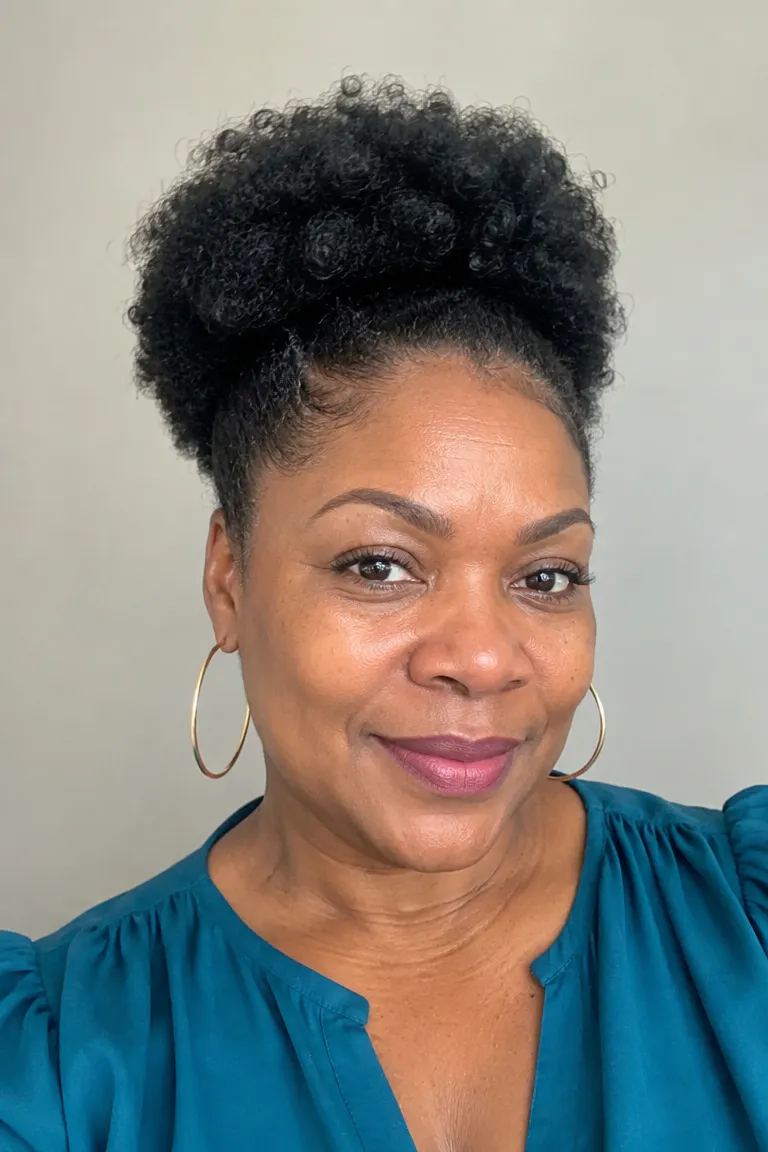
A rounded afro puff cut gives lift without asking you to pull the front into a tight band. The shape stays short and sculpted, but it still has enough fullness to frame the face. That makes it a practical choice if you want a little softness around thinning temples without losing the look of volume.
Keep the puff short enough that it sits naturally rather than being stretched hard at the crown. The cut should create a round outline, not a stretched-up ponytail effect. If your hair is fine, this shape can look better than a larger puff because it relies on cut and balance instead of gathering too much hair into one spot.
For more fullness-focused short cuts, short bob haircuts for women over 50 with thin hair that add fullness offers shape ideas that also avoid heavy pulling.
10. Short Bantu Knots
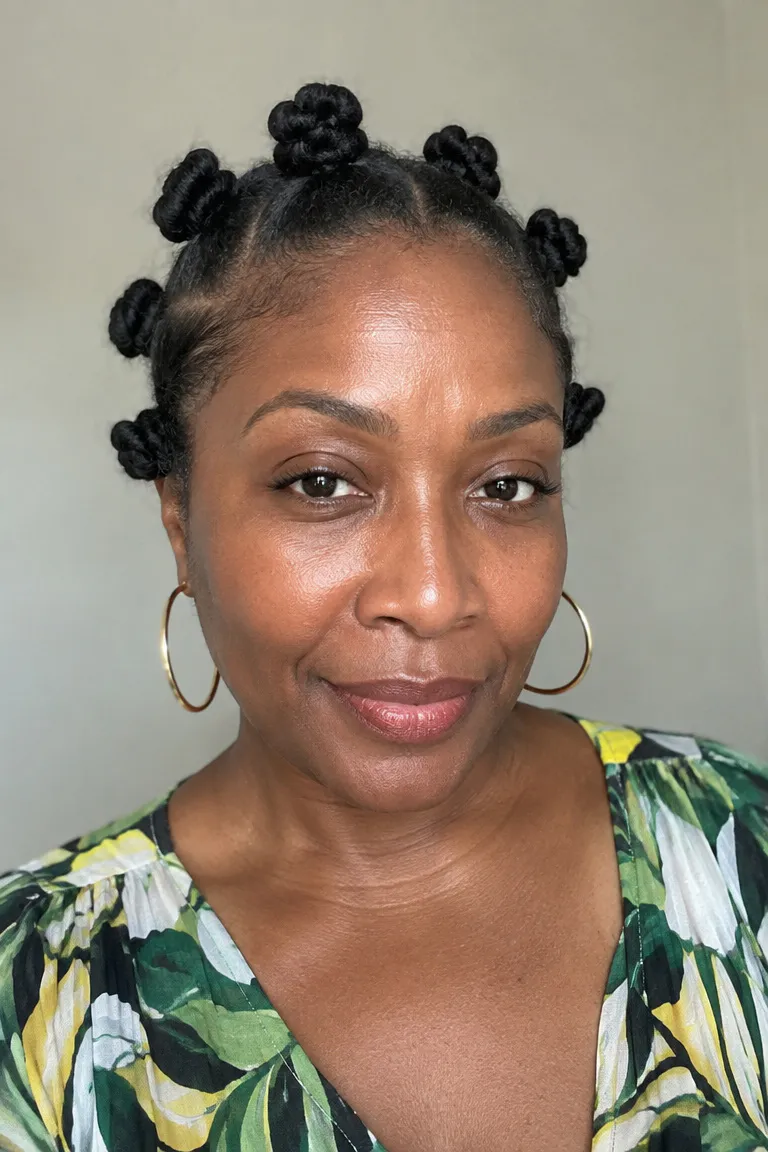
Short Bantu knots can work if your hairline can tolerate gentle sectioning and you keep the front loose. Small, medium-sized knots give a sculpted look without needing long length or tight wrapping. They also let you wear a defined style for a few days with careful nighttime protection.
The main detail to watch is placement. Leave enough space at the temples so the parts don’t feel strained, and avoid tiny knots packed tightly across the front. This style fits women who want something more structured than coils or a wash-and-go, but still short and natural.
- Use medium sections instead of tiny ones.
- Start the front sections slightly back from the hairline.
- Sleep with a satin scarf or bonnet to keep the knots neat.
11. Defined Wash-And-Go
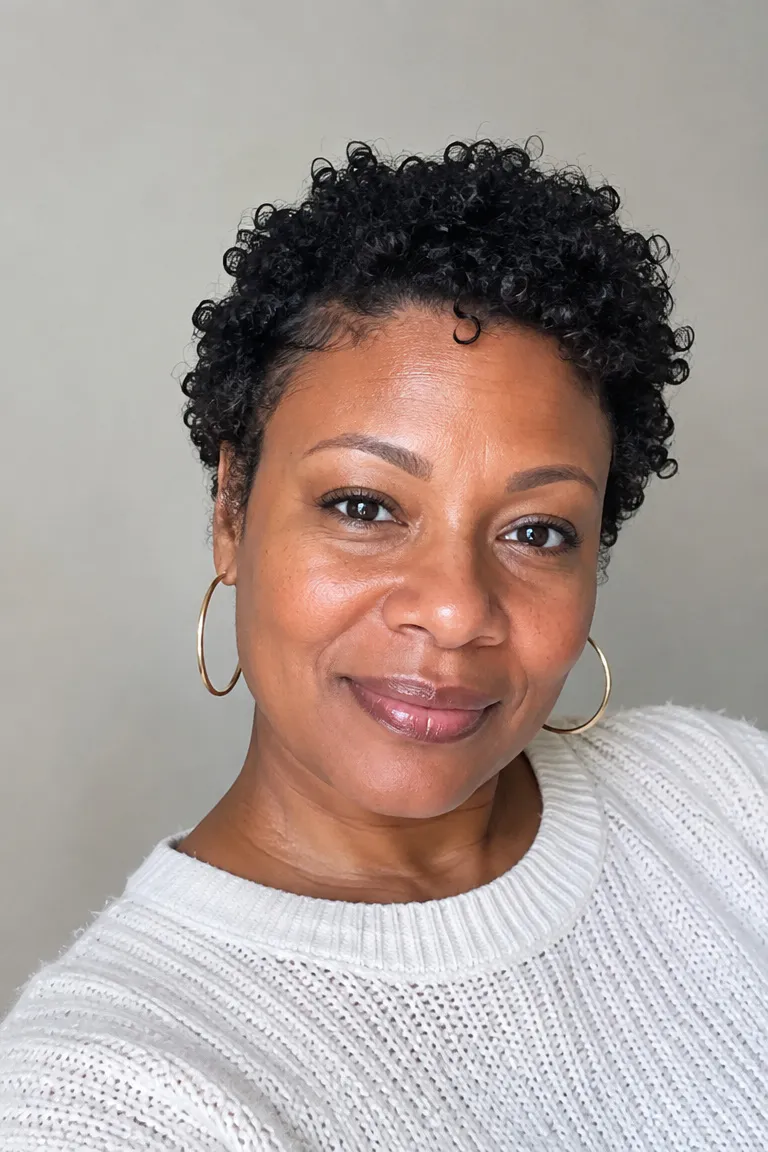
A defined wash-and-go is the simplest choice if your curls hold shape without much brushing or edge work. A lightweight cream or gel can give the front a clean finish without the stiffness that comes from heavy control products. That matters when you want a style you can rinse, refresh, and wear without repeated manipulation.
Use one pass of product through damp hair, then stop before you start adjusting the hairline over and over. If the front looks best with a soft direction, rake the curls gently to one side and leave them alone while they dry. This style is also easy to restart on short notice because you don’t have to rebuild a set or retwist the whole head.
Maintenance tip: Choose a light gel if you need definition, or a cream if your curls dry out fast. The product should define the curl, not harden the front.
Comfort check before you style
Before you book, check two things: how much front tension the style needs and how many days you want it to last. If the answer is low tension and three to five days, a tapered cut, soft coils, or a defined wash-and-go usually makes the easiest start.