Natural black hair with gray at the temples and crown rarely takes copper, auburn, or plum the way a swatch card suggests. Gray can read as bright highlights, soft tint, or patchy color, and the result depends on how much lightening the shade needs, what’s already in your hair, and your undertone. A red tone that suits your skin can still look wrong if it’s lifted too far, too fast.
These eleven shades are sorted by undertone, lift, and how they grow out, and each one comes with a phrase to show your colorist. Use one rule to narrow the list. If a shade sits within a shade or two of your current depth, start there; if it needs real lightening and your hair is relaxed or already colored, ask for a gloss first and save the bigger change for later.
1. Soft Copper Gloss
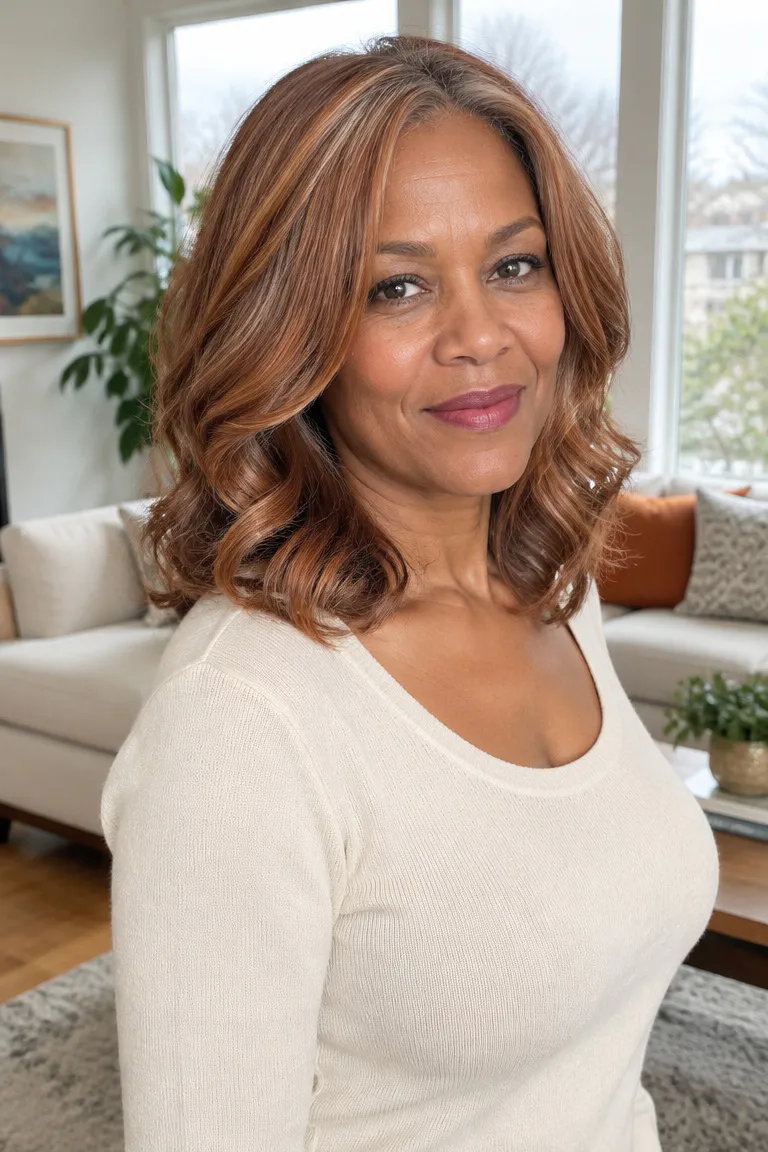
Undertone decides whether soft copper looks lived-in or orange. It’s a muted mix of cinnamon, auburn, and reddish-gold, and a colorist can push it warmer or cooler. To check at home, hold gold fabric near your bare face, then silver fabric, and see which one makes your skin look healthier.
Gold usually points to a warm-leaning copper, while silver points to a cooler, more cinnamon-red version.
This is the easiest first try. A gloss or demi-permanent color is safer than permanent color when you can’t easily go back to natural silver. It softens gray into a warm shimmer instead of fully covering it, so expect silver strands to read as lighter copper glints rather than vanish.
Ask your stylist: Say: "a muted cinnamon-gold gloss at my current depth, warmer or cooler depending on my undertone."
2. Cowboy Copper Face Framing
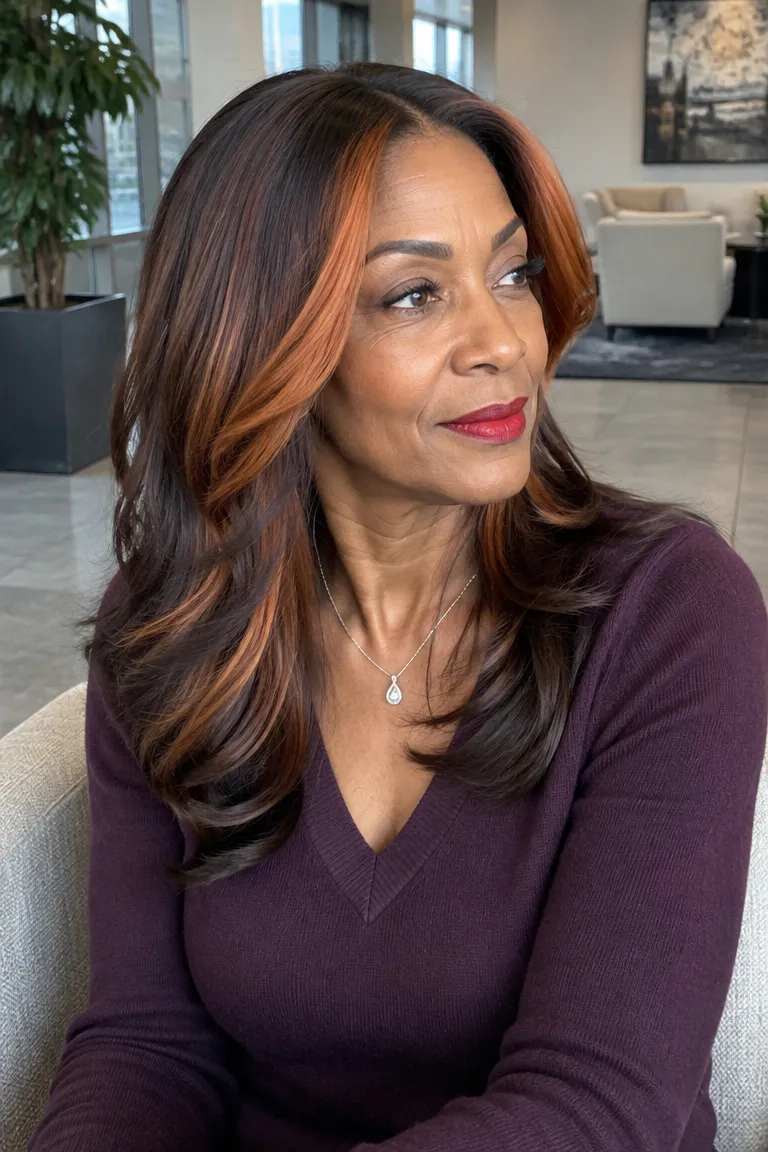
Cowboy copper is a placement choice before it’s a color choice. Copper sits over a brunette base, so the bright color concentrates in face-framing pieces and around the part, which is where gray tends to show first. The rest of the head stays brunette.
A brunette base means less lift overall, though the bright pieces may still need some lightening. A colorist can often keep that to a few sections instead of every strand. It suits warm undertones that want copper without a full head of it.
A long layered cut keeps the framing pieces visible, because the layers swing forward and show color near the cheekbones instead of burying it in length. Ask for "brunette base with copper face-framing pieces and a soft root." The soft root lets regrowth and gray blend in rather than forming a line.
3. Burnt Copper Reality Check

Burnt copper is the deeper, orange-leaning copper often called an autumn shade, though it works any month. Fall is simply when its rich orange-brown matches the light best. If you’re building a warm palette for the season, these warm hair color and style ideas for fall show how copper sits beside other warm tones.
On natural black hair, copper usually needs real lightening to show up. Virgin hair lifts more evenly than previously colored hair, and a colorist decides based on starting color, gray amount, and hair history. Mention any henna or box dye history at the consultation, since it can change how the hair lifts.
Skip or delay this shade if your hair is relaxed. Lifting is harder on hair than going darker, and a relaxer plus permanent color are both harsh processes. A deeper copper is the safer pick until your stylist says the hair is ready.
Comfort check: If your scalp or strands feel tender after a relaxer or a lightening session, tell your colorist and space the next service further out instead of stacking them in one week.
4. Deep Copper With Chestnut
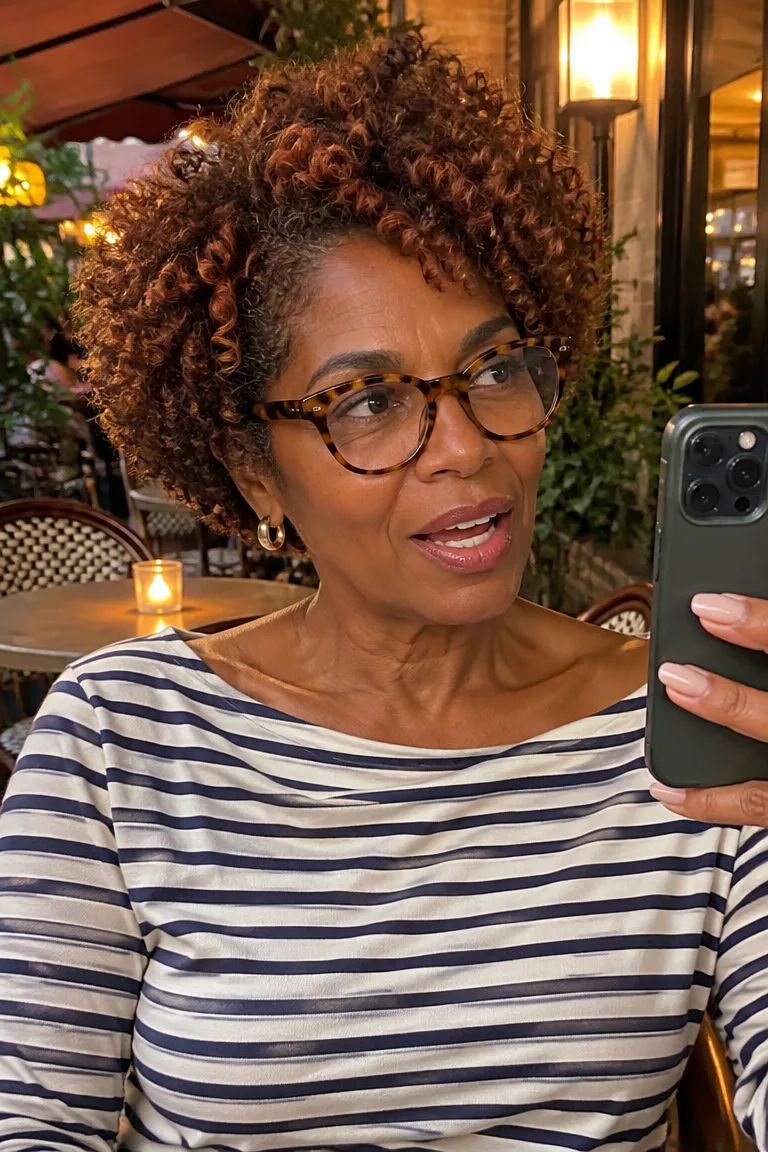
This is the low-commitment end of the copper range. Deep copper with chestnut tones sits close to dark brown, so many readers need little to no lightening. It suits warm undertones that want color without drama.
It’s a natural move if you’re leaving dyed jet black. Solid inky black can look flat, and gray regrowth stands out sharply against it. Chestnut dimension keeps the transition from root to length softer, so new growth looks less jarring.
Start near your current depth rather than jumping several levels. Ask for "deep copper with chestnut dimension, no more than a shade or two from my current depth." On tapered natural curls, the dimension shows up in the coil pattern without extra styling.
5. Rich Auburn at 30% Gray

Gray percentage changes the plan. Around 30% gray, stylists quoted by AARP lean toward the gentler route. Semipermanent color stains the outside of the hair and gives less coverage than permanent, so some gray will read as auburn-tinted highlights instead of disappearing.
Rich auburn is a red-brown with a warm, slightly red glow. Retailer guidance generally puts it at roughly level 6–7 lift to show on natural black hair, so ask your colorist whether your hair needs lightening first. A smooth blowout with the ends turned under shows the glow best.
If you have a relaxer, don’t use permanent color on that hair. Ask whether to space the services, and how many weeks apart is right for your hair.
Maintenance tip: Expect reds to fade faster than browns. Many people need a refresh gloss around 4–6 weeks, so book it when you book the color.
6. Cinnamon Auburn Twist-Out
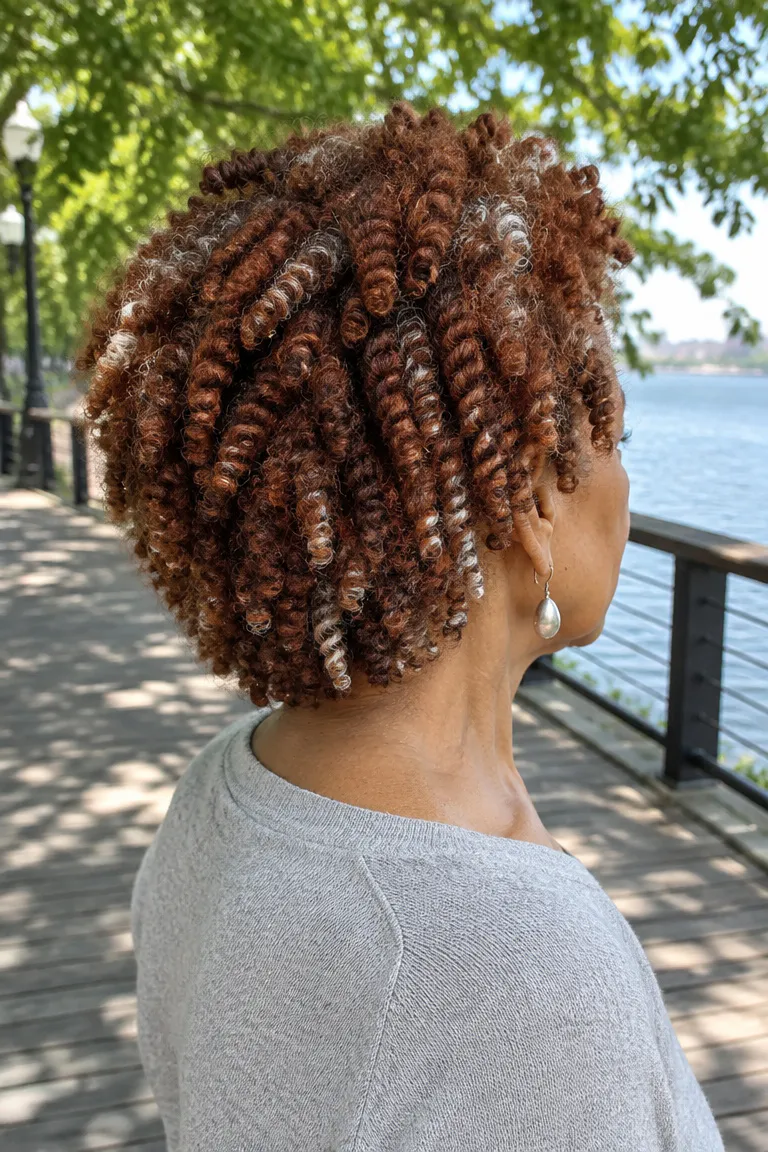
Texture changes how cinnamon auburn reads. It’s a lighter, spicier red-brown, listed at roughly level 5–6 in retailer guidance, so it asks for a gentler lift than copper. In a twist-out or wash-and-go, dimension shows in the curl clumps, and gray coils can stand out as lighter ribbons.
That’s a styling consideration, not a rule for every curl pattern. Ask your colorist whether to place color through the whole head or only through the top layers, where the twists show most. Top-layer color can mean less lightening overall.
Between appointments, a color-depositing conditioner can help keep the red from dulling. Check the ingredient list with your stylist first, especially if your hair is relaxed or recently lightened. Plan on a twist-out day that includes a little extra time to define the clumps.
7. Dark Cherry Auburn

Dark cherry works best with neutral undertones, the same group that suits espresso and warm auburn. It’s black-cherry depth with a red flash that shows when you move, and that flash is why it’s the natural step for anyone leaving dyed black. Dimensional dark shades beat flat, solid black because they look softer against gray roots.
Because it sits so deep, many people need little to no lightening. That keeps it practical for hair that’s been colored before. A silk press shows the red reflect on a smooth surface.
The downside is fading. A cherry that drifts toward brown can look muddy, and a gloss brings the red back. Ask for "dark cherry at soft-black depth with a red reflect, not bright red."
8. Auburn Root Melt
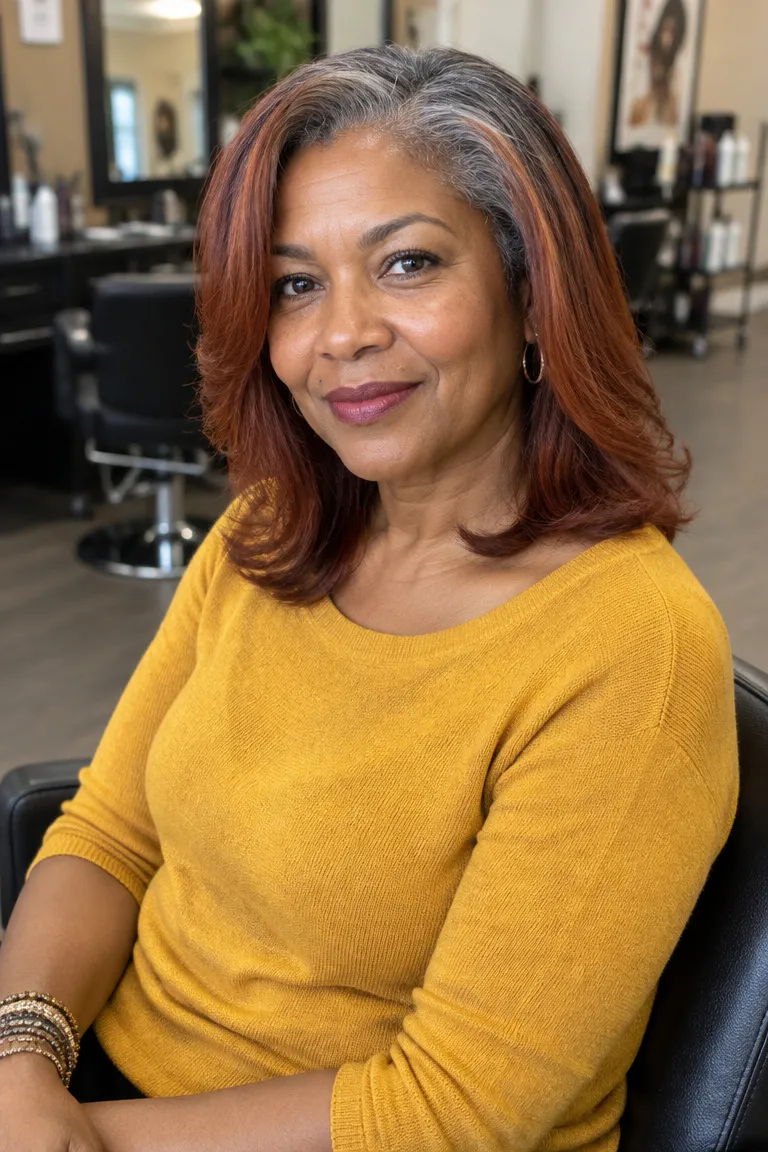
An auburn ombre or root melt cuts down on salon visits. The natural root stays in place, so regrowth doesn’t create a line you have to touch up every few weeks. It suits anyone who wants fewer appointments.
The gray at the crown stays natural and blends into the auburn lengths instead of fighting a hard line. The lengths still need lightening in many cases, so ask what that means for your hair history. A shorter or mid-length cut grows out cleanly, since there’s less color to carry as the root lengthens.
Ask your stylist: Ask whether the melt will be gradual or a visible two-tone line, and show a photo of the exact transition you want.
9. Violet-Plum Depth
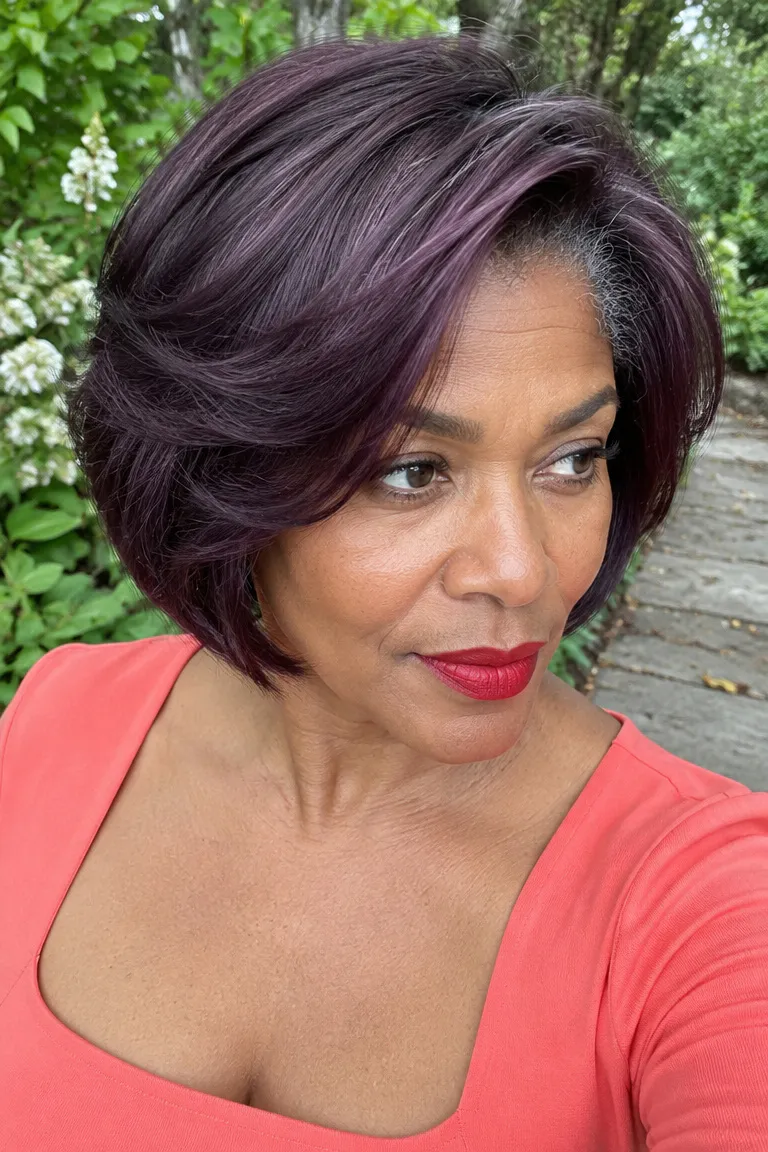
Violet-plum belongs with cool undertones. Color charts in the Revlon style pair burgundy, violet brown, and deep ruby with cool undertones. A violet base underneath deepens the plum so it reads cooler and moodier than a red-plum.
Not everyone should go purple. If your skin looks washed out when you hold silver fabric nearby, a very purple plum may feel too intense. Test with swatches near your face in daylight before you commit.
This shade often sits at a depth that needs little lift. Gray may take it unevenly, though, so ask for a gloss first and judge the result before going permanent. Ask for "violet-based plum at dark depth, cool but not bright purple."
10. Deep Plum Burgundy Upkeep
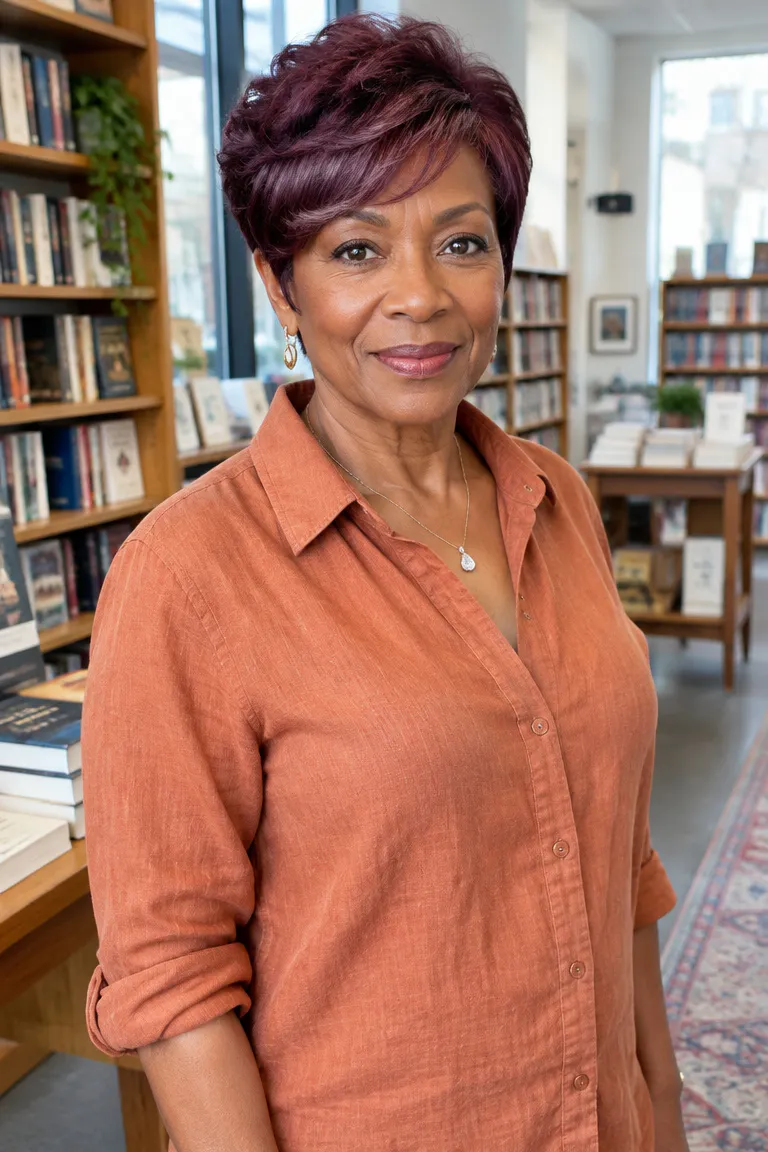
Deep plum burgundy changes with the light. It looks smoky in low light and berry-bright in direct sun, so check it by a window before deciding it’s too dark. Keeping that depth takes a routine.
- A color-safe shampoo, used no more often than your hair needs.
- Cooler rinse water, which is gentler on red pigment.
- A gloss appointment to refresh depth between color visits.
- A satin pillowcase to reduce friction at night.
Heat is a trade-off. A silk press or flat-iron routine adds shine but often speeds fading, so decide how many heat days you’re willing to give up. A short crop is the lowest-effort version, and these low-maintenance pixie cuts for natural hair show shapes that need little daily styling.
Maintenance tip: Expect plum and burgundy to fade gradually. Many people see the difference within a few weeks, so plan gloss visits ahead of time.
11. Plum-Brown With Silver
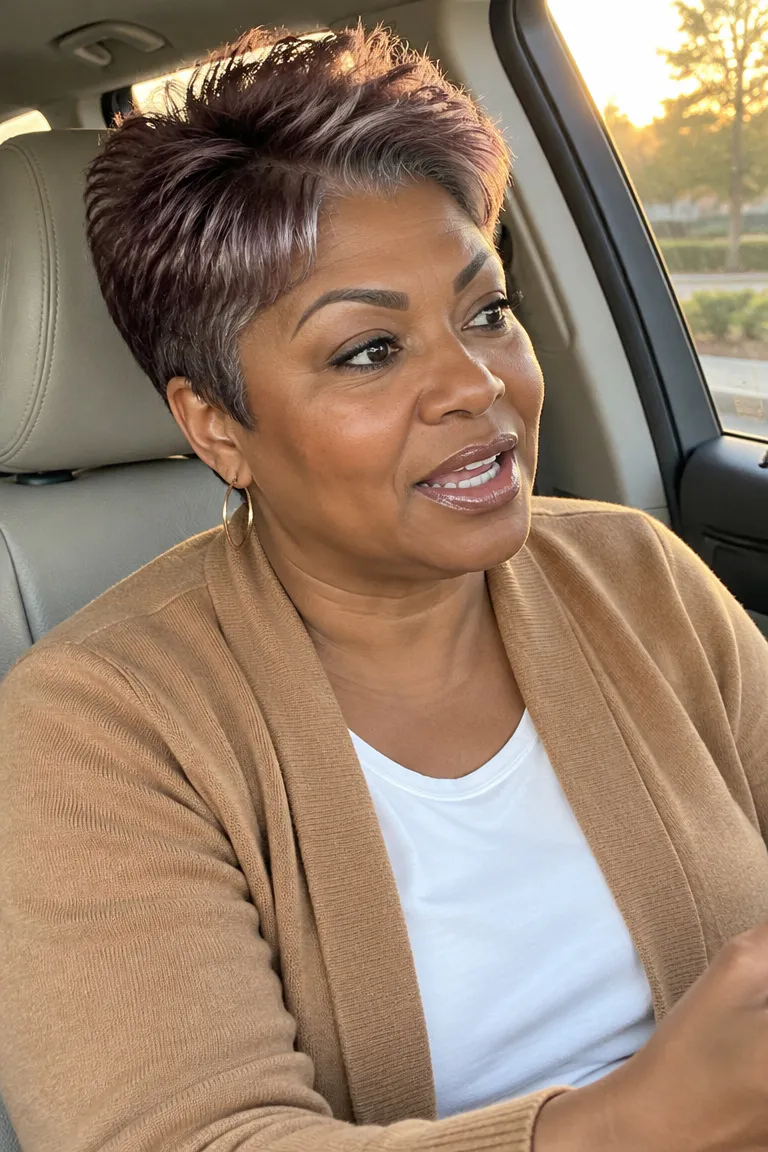
This version treats gray as a feature. Plum-brown with silver blended in through highlights and lowlights softens the regrowth line, and acidic demi-permanent formulas fade out instead of leaving a hard edge. Natural silver strands stay visible as highlights on top while the lowlights add depth underneath.
It’s also the safest way to test plum while keeping your silver. No product reliably restores natural gray from under dye, bleach on gray can turn yellow, and color removers can leave gray orange and dry. Starting with a blended approach avoids those traps.
It needs the least lightening of the eleven, and it suits anyone who wants to keep her silver. For cuts that show the blend, see these natural gray hair styles for Black women over 50. Ask for "plum-brown lowlights with silver left in, demi-permanent only."
Before You Book the Appointment
Bring three things to the consult: the phrase from your chosen shade, a daylight photo of your hair as it looks now, and a list of every relaxer, henna, or box dye you’ve used. If two shades tie, pick the one that needs less lift. You can always go bolder at the next visit.