You can pick flattering hair color after 50 by starting with your skin undertone, warm cool or neutral, and choosing shades close to your natural color but slightly brighter. For gray, use a natural-looking root touchup, plus a gray-friendly deposit that avoids ash, and plan a gloss every 8–10 weeks. If you want lighter, ask for caramel or honey balayage, with warmer toners. For depth, try rich chestnut or soft brunette dimension, and for fun, plum, burgundy, or espresso. Keep it vibrant with color-safe care, and you’ll learn more next.
Choose the Right Hair Color for Women Over 50

Choosing the right hair color after 50 can feel exciting, and it can also feel a little intimidating, but you can make it easier with a few smart steps.
Start by thinking about your undertone, warm or cool, then pick shades that look close to your natural color, but brighter. You’ll feel more like yourself, yet refreshed.
Choose low maintenance formulas, so your color stays pretty between touch-ups, and your mornings stay calm.
Look for scalp friendly products, especially if your scalp feels sensitive.
Do a patch test, condition deeply after coloring, and ask for a gloss for easy shine.
Cover Gray Without Looking Dull

Once you’ve matched your undertone and found shades that bring back some brightness, you’ll want a plan for gray that doesn’t turn flat or dull.
Start with natural looking root touchups, using a formula just a bit deeper than your ends, so roots blend smoothly. Choose a gray-friendly color deposit that adds warmth, not ash, and keeps your hair soft. You’ll love low maintenance grayblend routines, like color mousse or a root-eraser every 3 to 6 weeks, plus a gloss every 8 to 10 weeks.
Condition well, avoid harsh heat, and let your color look like you.
Go Lighter With Caramel and Honey Highlights

Caramel and honey highlights help you go lighter without jumping to a harsh, icy blonde. You’ll love how a sun kissed balayage softens your face, blends with gray, and adds movement that feels natural. Ask your stylist to place brighter pieces around your crown and cheekbones, keep the roots slightly darker, and use a warm toner for a smooth finish.
This approach creates a seasonal tone refresh, especially in spring and summer, when sunlight makes warm shades pop. If your hair is dry, you’ll protect the highlights with a weekly mask, and schedule touch-ups every 10 to 14 weeks.
Try Rich Chestnut for a Natural Glow
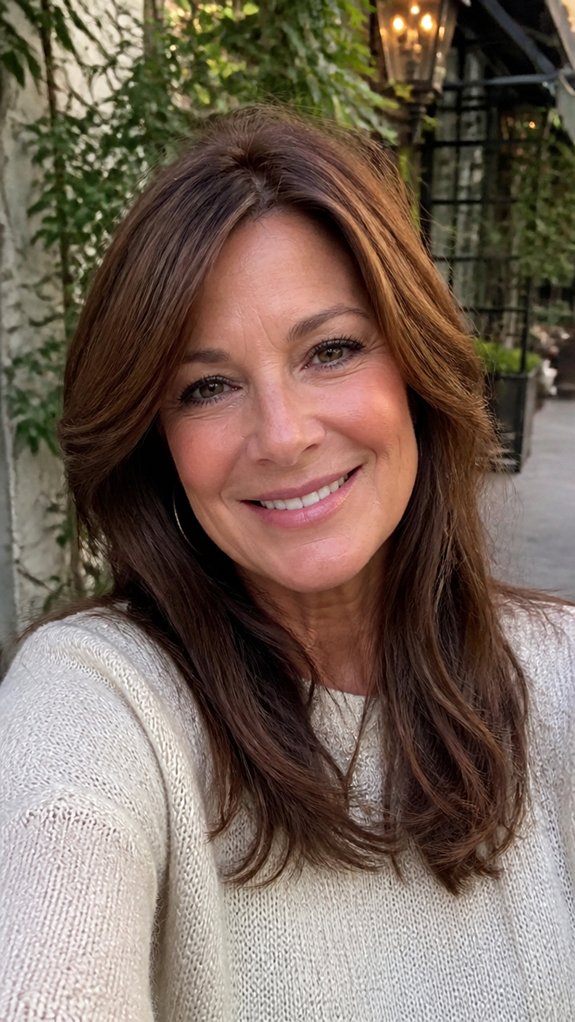
Rich chestnut is a flattering choice when you want a natural glow, because it adds depth and warmth without looking overly dramatic. You’ll love how rich chestnut blends with your skin, it works especially well when you keep warm undertones in mind.
Think of it as a cozy shade, like a soft blanket for your hair. Ask your stylist for a few hints of soft copper near the face, so your features look fresh.
To keep it looking smooth, use a color-safe shampoo, wash in cool water, and condition often. You’ll feel like yourself, just brighter.
Add Dimension With Balayage for Older Hair
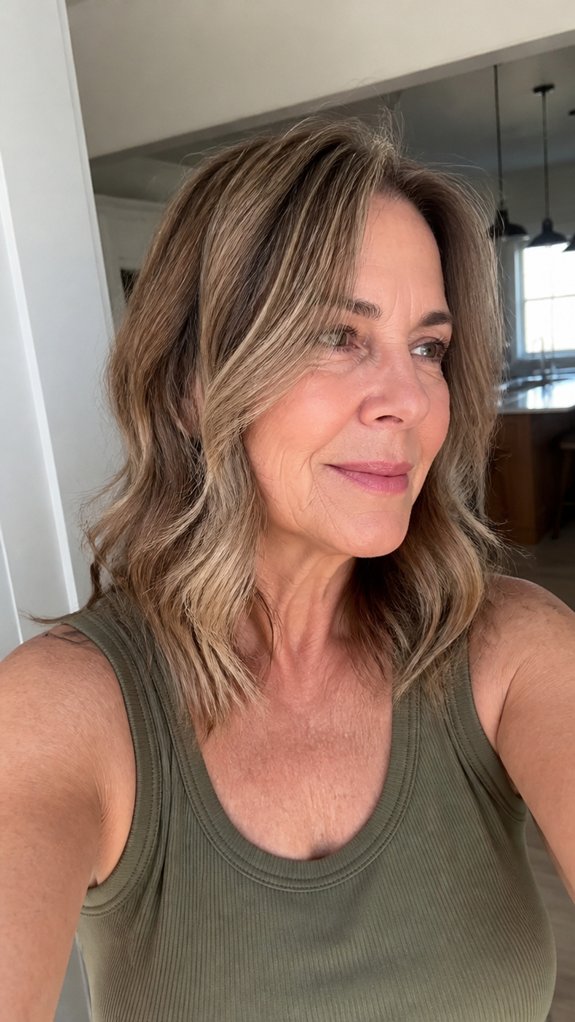
After you choose a warm chestnut base, you can take your color further by adding dimension with balayage, and it looks amazing even as hair gets older.
You can ask for soft balayage that starts a bit higher near the crown, so the color blends with roots, and your hair still feels natural.
Then you place lighter pieces through the mid-lengths and ends, you get subtle dimension that catches light when you move.
For older hair, balayage is gentle, it grows out nicely, and it keeps your look fresh.
If you want, use a gloss afterward, it boosts shine and softness.
Select a Soft Brunette Shade for Your Skin Tone

Choosing the right soft brunette shade depends on your skin tone, so you don’t have to guess.
Start by looking at your undertone, warm or cool. If your skin pulls warm, you’ll glow with soft mahogany, it adds warmth without going too dark. Pair it with a touch of muted cocoa for a natural, sun-kissed blend that still looks refined.
If your skin looks cool, choose neutral or ash-leaning browns, keep them soft so gray roots won’t feel harsh.
Always take a strand test, then let your stylist adjust depth, until it feels like you.
Pick a Red That Flatters (Not Overpowers)

A flattering red can brighten your whole look, without turning into something too loud. You’ll want to choose a shade that hugs your features, so your skin looks fresh, not washed out.
If you’re leaning cool, try cool auburn, it adds depth and a gentle glow. For a softer vibe, pick muted copper, it blends warmth with restraint, and it grows out nicely.
When you go to the salon, bring a photo in natural daylight, and ask for a “low-volume” red formula. You’ll keep the romance, while staying in control of the color.
Refresh Your Look With Face-Framing Layers
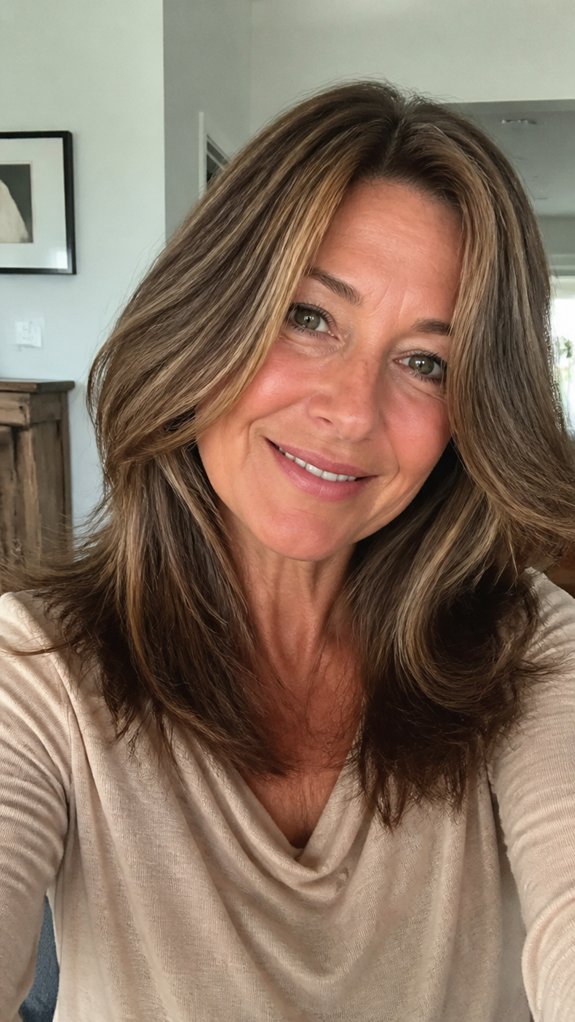
Face-framing layers can instantly refresh your look, and you don’t need a drastic haircut to feel the change.
Ask your stylist for soft layers around the cheekbones, so your hair moves, and your face looks lifted.
If you love a gentle fringe, consider framing bangs, which blend into the layers instead of sitting heavy.
You can keep the length you have, while the front pieces add shape, and they look especially flattering in natural light.
For easy styling, use a round brush at the crown, then tuck ends inward.
You’ll feel refreshed, confident, and seen.
Match Your Hair Color to Your Skin’s Undertone

Once you’ve added face-framing layers that lift your features, you’ll get even more impact by matching your hair color to your skin’s undertone.
Start with an undertone consultation, you’ll learn whether you lean warm, cool, or neutral, and that small detail changes everything.
If your skin feels golden or peachy, try warm shades like honey, caramel, or soft chestnut, they make you look rested.
If you turn pink or blue easily, go for cool tones like ash brown or smoky espresso, they soften harshness.
For neutral undertones, you can blend, then make seasonal adjustments for brighter or deeper contrast.
Go Bold With Plum, Burgundy, or Espresso Tones

Try bold plum, burgundy, or espresso tones when you want your look to feel richer, and still look natural. These shades cradle your complexion, so you can feel like you, only more polished, more you.
If you want a plum statement, choose a deep plum at the roots, then soften it with lighter highlights near the ends. For berry richness, go with burgundy, especially if your skin leans warm or neutral, it flatters without looking harsh.
Prefer subtle drama? Pick espresso, and keep it glossy. Ask your stylist for a toner blend, so dimension looks lived-in, not flat.
Keep Color Vibrant With the Right Maintenance Plan
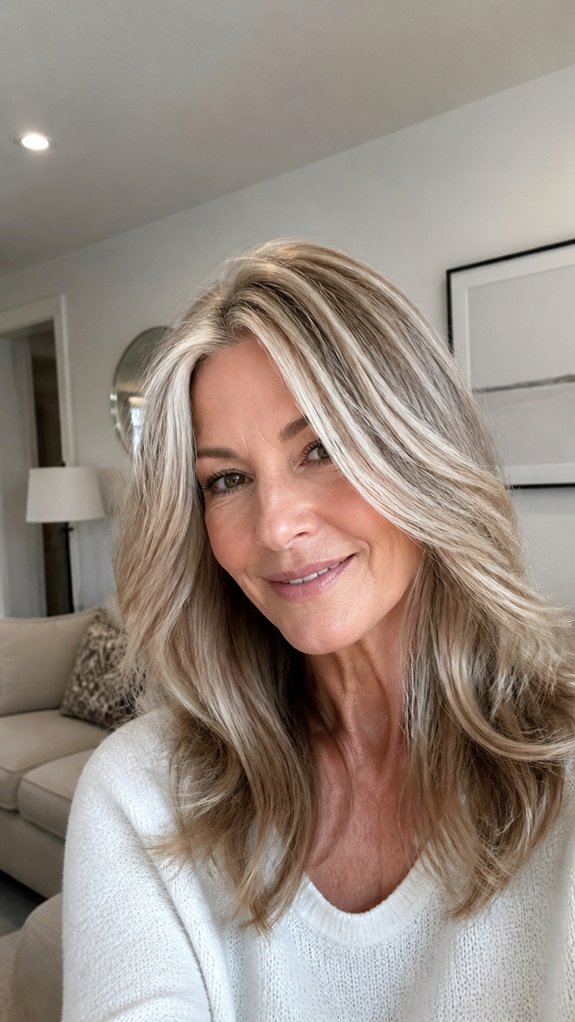
Now that you’ve chosen plum, burgundy, or espresso tones, keep that richness looking fresh by using a maintenance plan that fits real life. Start by washing less often, so the color doesn’t fade too fast, and always use a color safe shampoo. When you rinse, use lukewarm water, not hot, and be gentle with your scalp.
Every week, add deep conditioning, focusing on the mid-lengths and ends, so your hair feels soft and looks glossy. After swimming or heavy sun days, rinse right away, then condition again. You’ll notice your color stays deeper, longer, and you feel good.
Know When to Switch Techniques or Shades
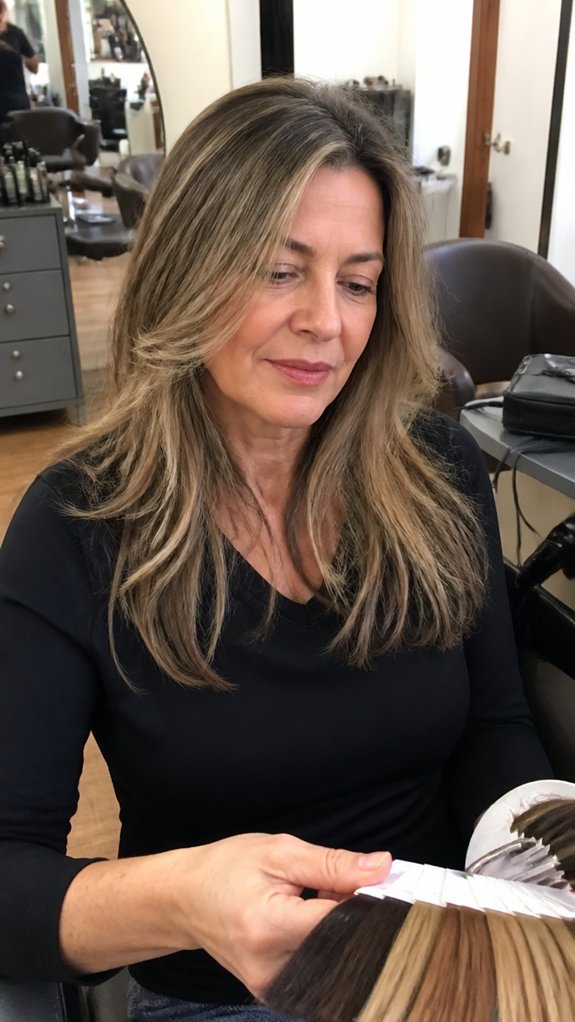
Knowing when to switch techniques or shades helps your color stay flattering instead of flat, and it keeps your routine from feeling like guesswork.
Watch how your hair responds, when roots look warmer or your ends fade, it’s time for seasonal changes.
You’ll also notice your skin tone shift with the weather, so adjust your base and highlights gently, not all at once.
If your gray is growing faster at the crown, switch technique shifts, like moving from full coverage to strategic lowlights.
Pay attention during washing, if brassiness appears quickly, tone sooner, and keep your hair glossy and soft.