Lipstick that grabs flaky patches by mid-morning and creeps into the lines above the upper lip is usually a prep problem, not a shade problem. These ten habits follow the day from the bedtime balm to the midday reapply, and most of them take a tissue, a washcloth, or a tube you already own.
After reading, you can pick a balm without irritating ingredients, choose a finish that feathers less, and tell when dryness needs a clinician. Use one decision rule throughout: if your bare lips look rough or feel tight, treat them first and choose color second, because lipstick will outline every flake and crease it sits on.
1. Thick Balm at Bedtime

A thick, ointment-style balm made with petrolatum or beeswax works as an occlusive. It sits on the surface and slows moisture loss while you sleep. Apply a generous layer as the last step before bed, after brushing your teeth and washing your face, so nothing wipes it off first.
Drugstore tubes and sticks are enough. Vaseline Lip Therapy, Aquaphor Lip Repair, and CeraVe Healing Lip Repair are the kind of balms dermatology-cited lists keep naming, and a premium lip mask is optional.
What you’re buying is a better morning surface. Lips tend to look smoother and need less prep, so lipstick sits more evenly. It won’t erase vertical lines, and it shouldn’t be expected to.
If you forget the step, keep the tube next to your glasses or phone charger so it’s in your hand at lights-out.
2. Read Your Balm Label
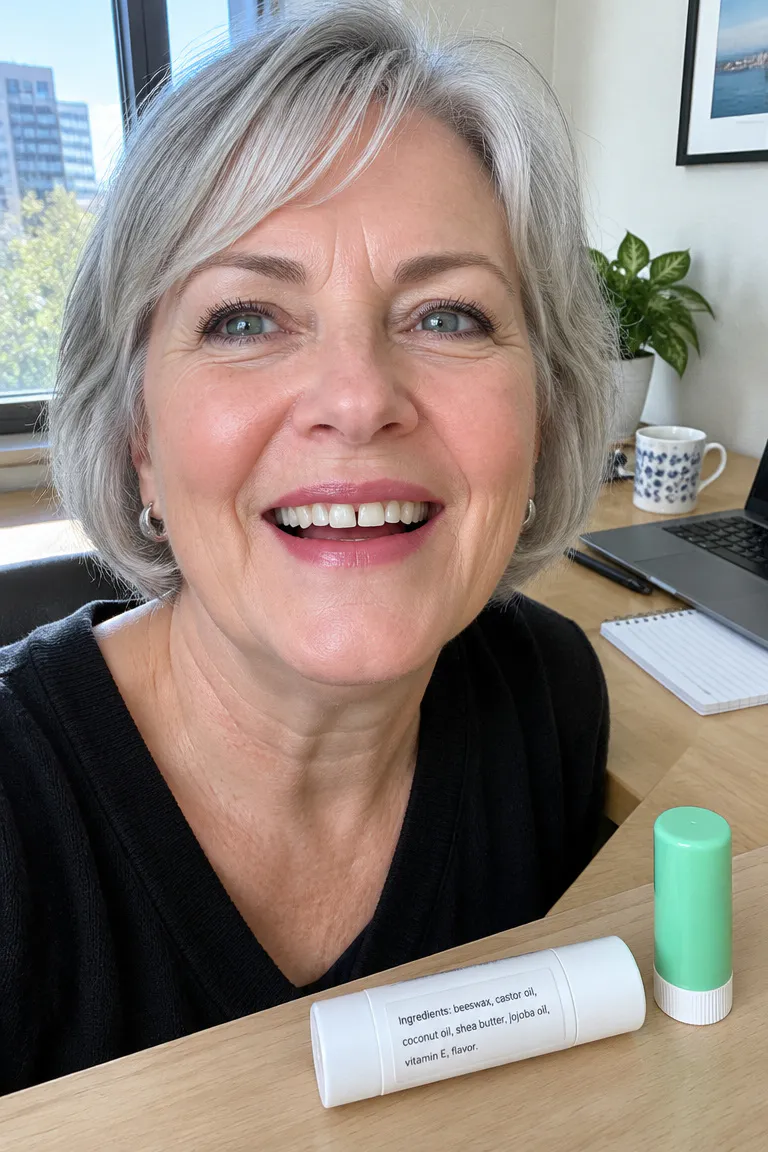
Flip over the tube you carry most. American Academy of Dermatology guidance, as cited by US News and Today, says to avoid these ingredients in a lip balm:
- Camphor
- Menthol, which is the cool tingle many balms advertise
- Fragrance, including added flavor or scent
- Alcohol
A tingly balm you reapply all day may be keeping lips dry, because the sensation feels like relief and sends you back for more. Swap it for a plain, fragrance-free balm and use that one for the rest of the day too.
Stop rule: Stop using any product that stings or makes your lips swell, even if the label looks clean.
3. Wipe, Don’t Scrub
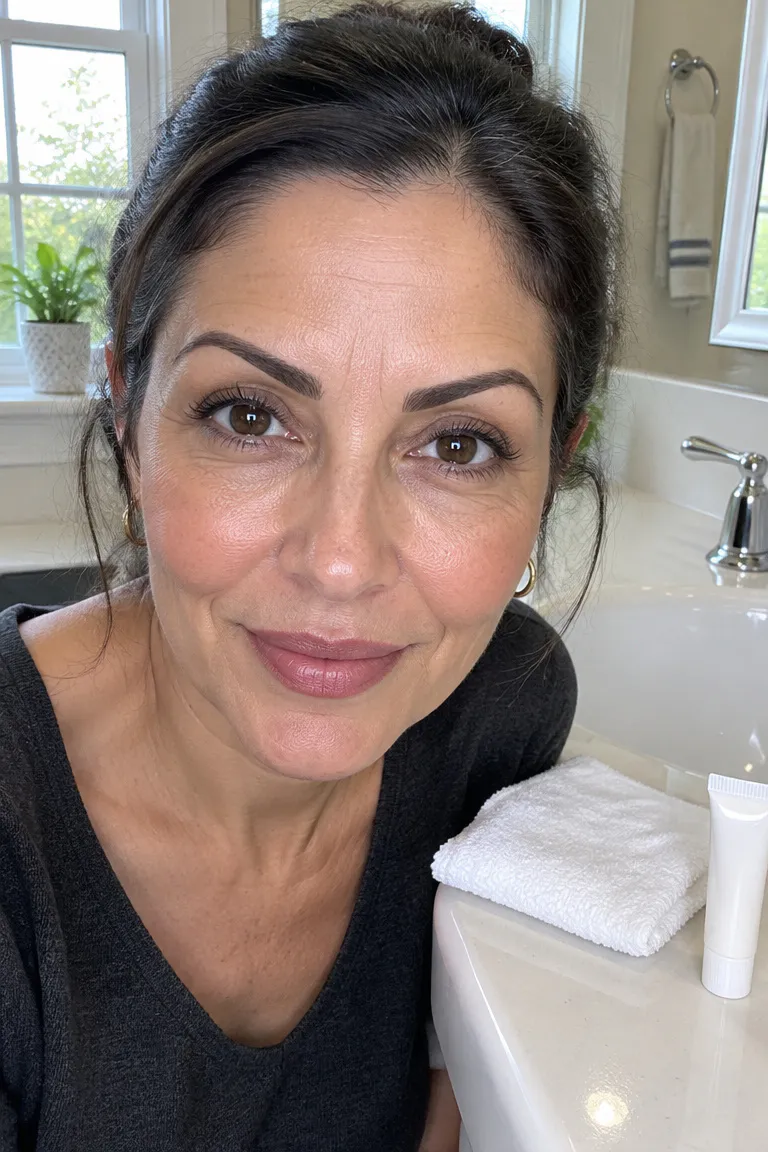
Loosening flakes takes a washcloth, not a scrub. The goal is only to remove skin that’s already lifting, so lipstick has nothing to grab.
- Run a soft washcloth under warm water and wring it out until it’s damp, not dripping.
- Fold it and hold it against your lips for a few seconds to soften the flakes.
- Wipe with very light pressure, just enough to lift what’s loose.
- Pat dry and put on a thick balm right away.
Sources disagree on how often to do this, from once a week to twice a week, so there’s no universal number. Start with less and watch how your lips respond. Skip sugar and salt scrubs on cracked lips, and pause completely if your lips sting or turn red.
4. Stop Licking and Picking
Licking feels soothing for a moment, then the saliva evaporates and lips end up drier than before. Peeling is a sign of dryness, not dead skin that needs removing, and pulling at it can leave a raw spot under the lipstick.
Change the setup rather than relying on willpower. Put a balm where your hand already drifts to your mouth: the desk drawer, your purse pocket, the nightstand. Leave loose skin for the washcloth step in habit 3.
When to call: Bleeding, cracking at the corners of the mouth, or a spot that won’t heal is a reason to contact a clinician rather than keep layering balm.
5. Prep the Skin Around Lips
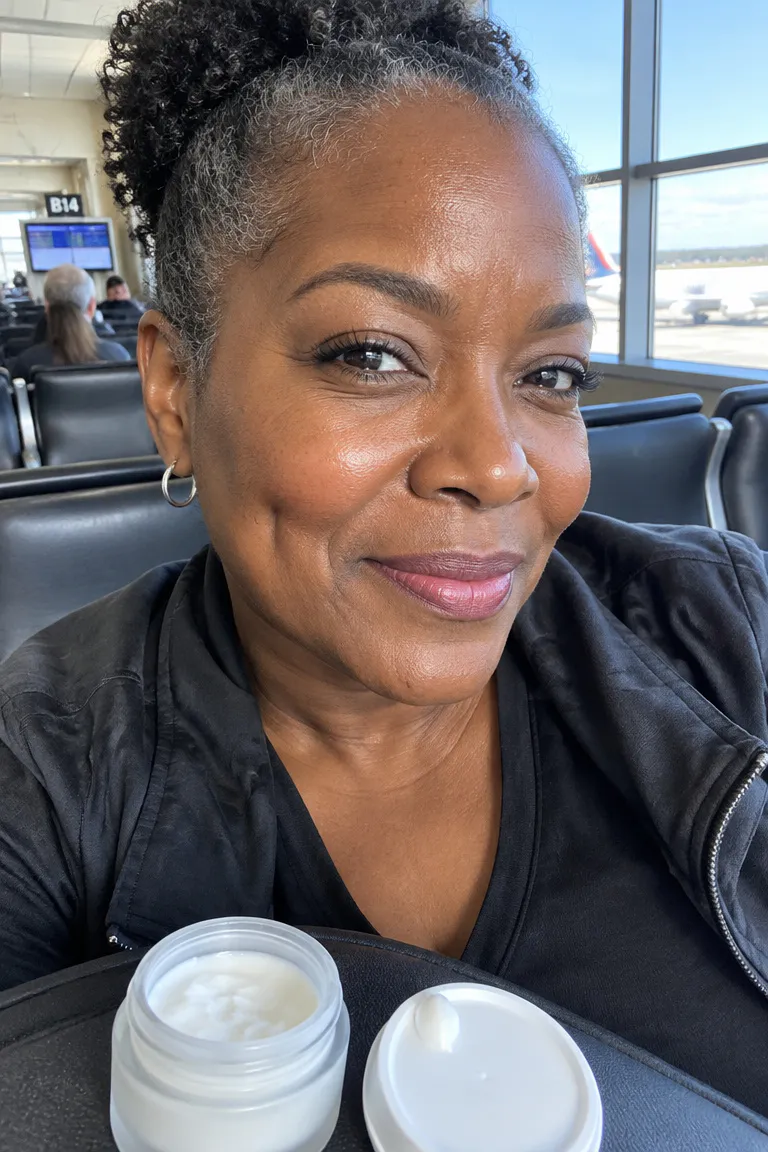
Dry, bare skin around the mouth can let color travel outward. Feathering is commonly tied to fine vertical lines and thinner skin, so the border deserves attention, not just the lips themselves.
Pat a rice-grain amount of fragrance-free moisturizer or eye-and-lip cream along the border only, from the corners of the mouth to just above the upper lip. Then do something else, like making coffee or finishing your eyes, for a few minutes so it absorbs.
Keep the cream off the lips themselves, since a slick surface makes color slide. This evens how skin looks and feels under lipstick. It isn’t a line treatment.
6. Apply Balm Early, Then Blot
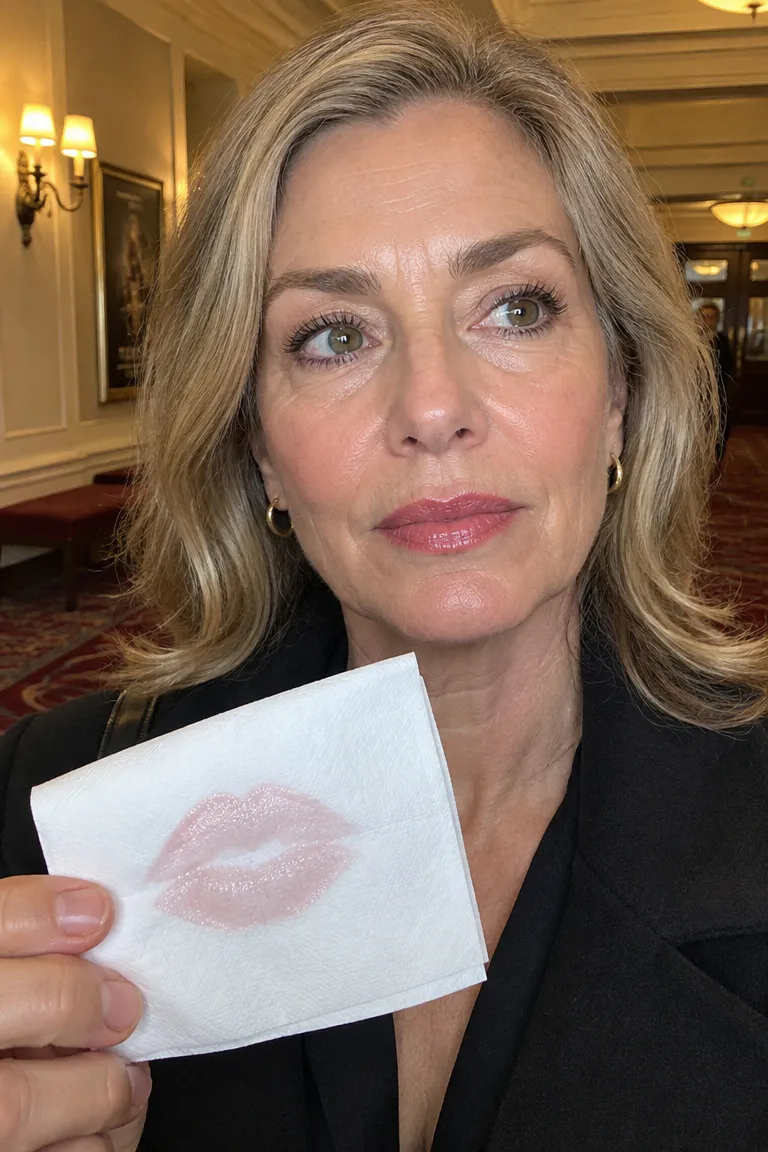
Advice conflicts here. Some sources say balm before lipstick, and others say a fresh slick makes color slide and feather. Splitting the difference solves both: apply earlier, then remove the excess.
- Start with the thick balm you wore overnight.
- Add a thin layer early in your morning routine, before moisturizer or hair.
- Wait until your lips feel cushioned but not slippery. Don’t time it to an exact minute count.
- Fold a tissue, press it to your lips, and lift. Don’t rub.
The tissue should come away with a faint, translucent sheen, not a greasy print. If it’s heavy, blot once more.
7. Fill In, Don’t Over-Line
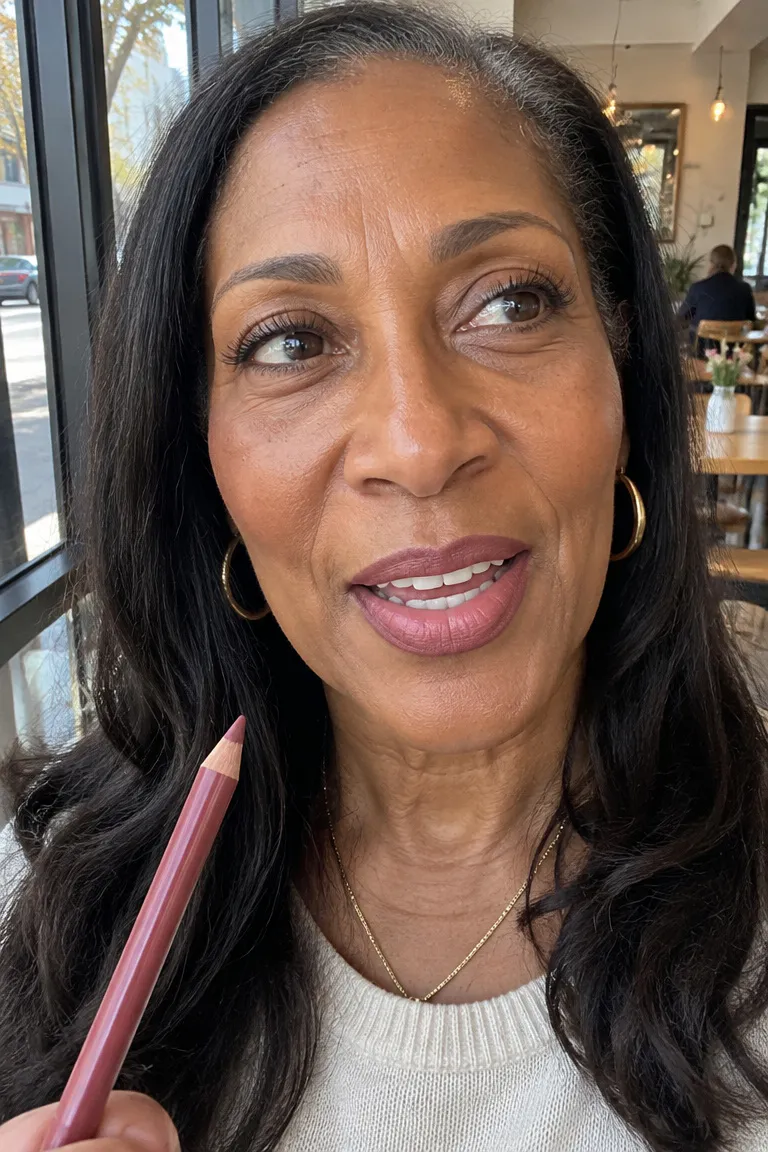
Drawing outside your natural edge can highlight creases and leave a visible line when the lipstick wears down. Instead, trace a soft nude or lip-matching pencil right at the natural lip line.
Then fill in the whole lip with the pencil, not just the outline. That layer acts as a barrier and gives the lipstick something to grip. Pick a pencil that glides instead of dragging, and sharpen it so the line stays thin.
Styling tip: finish with a small dab of gloss at the center of the lower lip, or a slightly lighter shade in the same spot, to keep the mouth from looking flat.
8. Pick a Creamy Finish
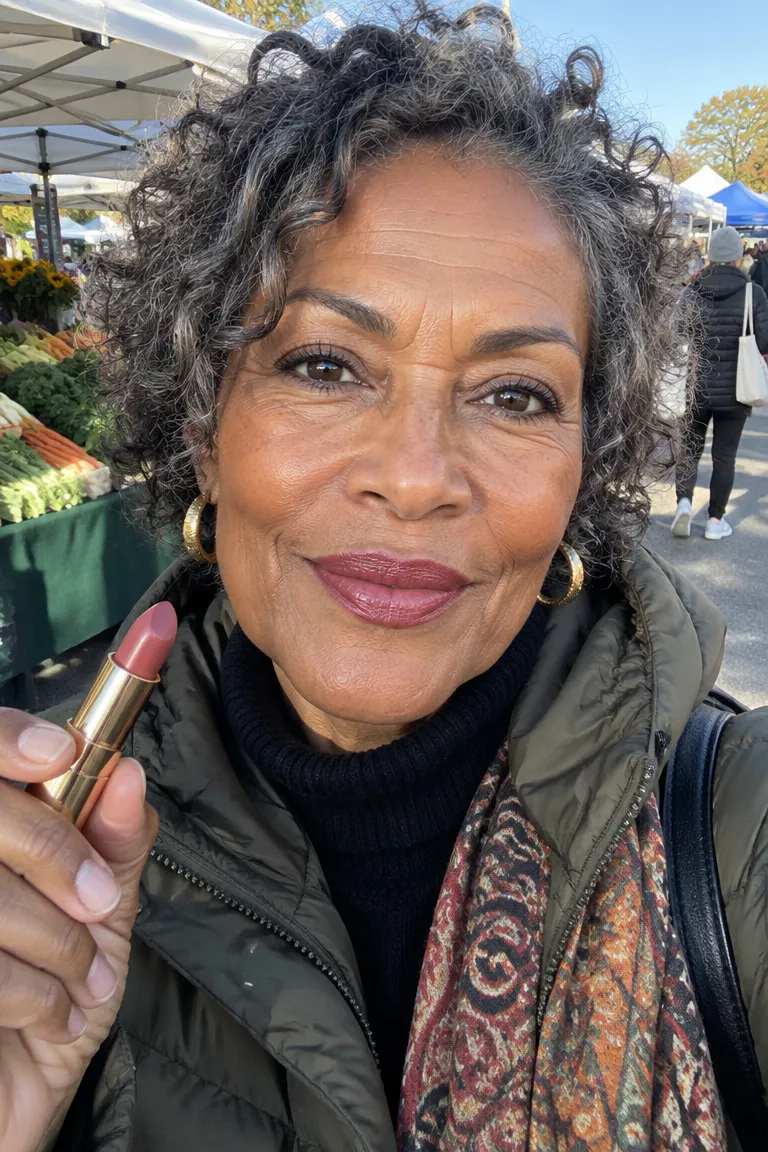
Finish matters as much as shade when lips are dry. Here’s how the common types compare:
| Finish | Feathering and dryness | Best use |
|---|---|---|
| Hydrating cream or shiny velvet | Lowest feathering risk; glides over dry spots | Everyday wear |
| Liquid matte or long-wear stain | Moves least, but clings to dry patches and lines | Short wear on well-prepped lips |
| Sheer balm-lipstick | Looks forgiving, but feathers more | Light color you’ll check and blot midday |
For everyday, choose a creamy lipstick in soft rose, warm berry, or muted coral. Save matte for a few hours, like dinner or an event, and only after the washcloth and balm steps.
Creamy formulas wear off sooner, so plan on a touch-up and keep the stick in your bag. If you’re building the rest of the face around that lip, these natural makeup looks sorted by time and coverage include shade notes for deeper skin and a texture tip for dry areas.
9. Daily SPF Lip Balm

The American Academy of Dermatology recommends a lip balm with SPF 30 or higher, and that applies in cool, windy weather as much as in summer. Most lip cancers develop on the lower lip, according to the lip SPF source, which is the part that catches the most sun.
Reapply after eating and drinking. A sheer SPF balm can also be the glossy topper over lipstick, so it doubles as your touch-up. EltaMD UV Lip Balm, at SPF 36 per Today, is one example of this type.
Know the limit: SPF protects lips from sun. It doesn’t fix dryness or lines. A scaly patch or sore on the lower lip that persists should be checked by a clinician.
10. Rule Out Other Causes

Sometimes the problem isn’t the balm. The American Dental Association lists several medication types linked to oral dryness: antihistamines, antihypertensives, decongestants, pain medications, diuretics, and muscle relaxants.
If you take any of these, ask a pharmacist or doctor whether they could be involved. Never stop a medication on your own. Drinking enough water gets a modest nod, but there’s no promised result from it.
- Could any of my medications be contributing to dry lips or dry mouth?
- Is there a safer balm or routine for my skin?
- What should I watch for between now and my next visit?
Book an appointment if dryness lasts more than a few weeks, if lips bleed, if the corners of your mouth crack, or if one spot won’t heal. A dermatologist can also discuss options for lines, though no outcome is promised.
Two Habits to Start This Week
Tonight, put a thick balm on as your last step before bed. Tomorrow, read the tube in your bag and replace it if it lists camphor, menthol, fragrance, or alcohol. Add the tissue blot before your next lipstick and see whether the color sits differently.