Foundation that looks even at breakfast and sits in smile lines by lunch usually isn’t a foundation problem. More often it’s the order, the amount, or the texture of what’s underneath. Check one thing first: if your base pills or slides, cut your primer to a pea-size amount and wait a full minute before you swap any products.
These 12 tips cover choosing a primer texture, reading labels, placing primer where lines and pores actually are, and layering foundation so it lasts. You’ll be able to decide what to buy, what to skip, and what to adjust with products you already own. None of this fills or erases lines; the goal is a smoother surface for base makeup to sit on.
1. Moisturize, Then Wait a Minute
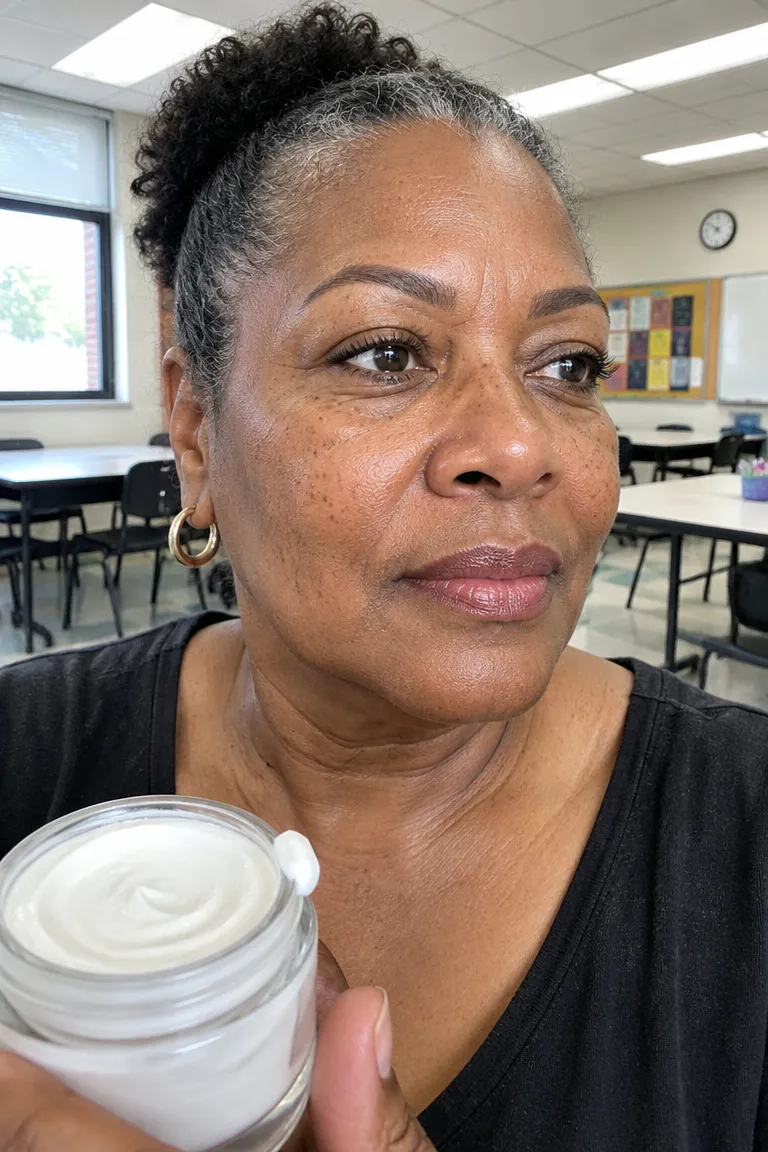
Dehydrated skin grabs at foundation, which is why base makeup clings to dry patches and cracks around the mouth. Apply your moisturizer or hydrating serum first, then give it about a minute to absorb before primer touches your face. If skin still feels slick or tacky after that, press lightly with clean fingertips to take off the surface excess.
Think of this as step one in a fixed order. When your base pills, work through it from the top:
- Moisturizer or serum, fully absorbed
- A one-minute wait before anything else
- A pea-size amount of primer
- Foundation in thin layers
- A damp sponge to press it in
Change one step at a time. If you swap the primer, the foundation, and the sponge on the same morning, you won’t know which fix worked.
2. Match Primer Texture to Skin

Texture matters more than the word ‘primer’ on the bottle. Gel-cream and serum-style formulas tend to suit dry, crepey skin, while silky blurring formulas suit visible pores. Use the table as a starting point and adjust after a few wears.
| Texture | Tends to suit | Watch for |
|---|---|---|
| Water-based gel | Dry or sensitive skin | Can feel too slippery over a heavy moisturizer |
| Cream or serum-style | Dry, crepey cheeks | Too rich for a shiny T-zone |
| Silky blurring | Visible pores, uneven texture | Needs well-moisturized skin underneath |
Neither silicone-based nor water-based wins automatically. A silky silicone primer can help foundation glide over lines and pores when skin is moisturized, and a water-based gel is often more comfortable on dry or easily irritated skin.
Drugstore and prestige options exist in every texture, so recheck prices and ingredient lists before you buy.
3. Skip Full-Face Matte Primers
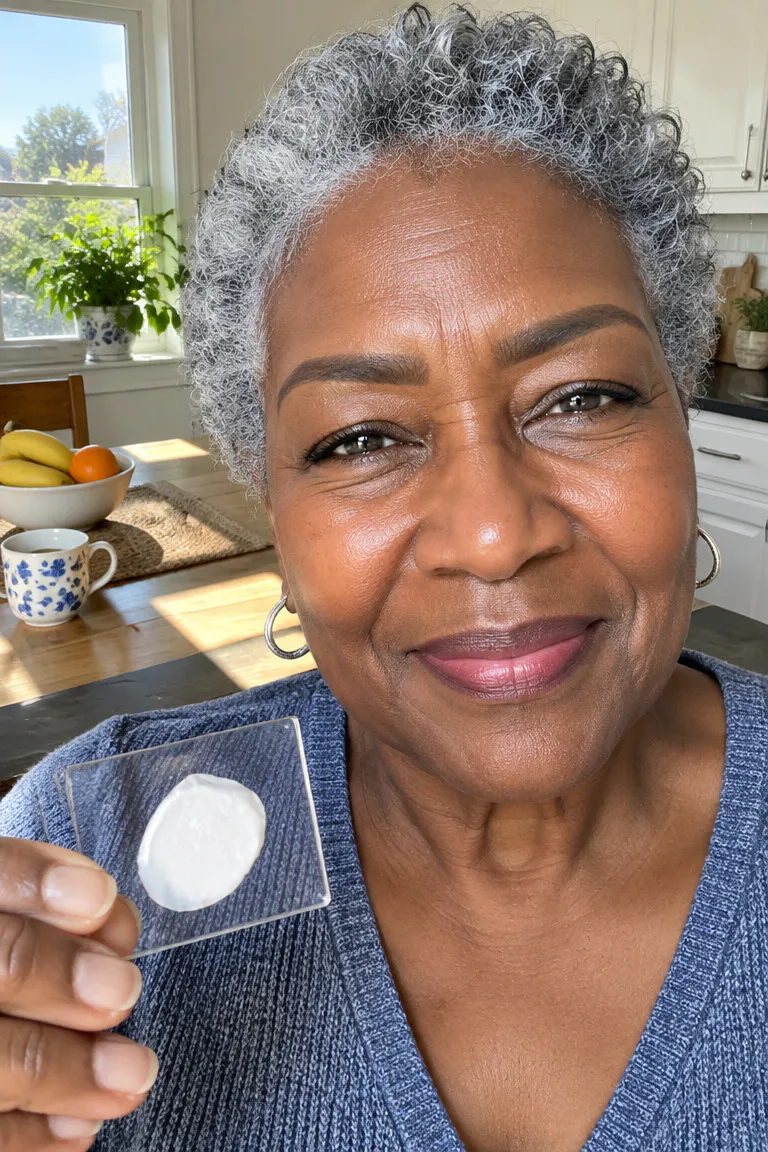
A matte primer across the whole face can flatten skin and sink into every bit of texture, which makes foundation look dry within a couple of hours. Keep matte as the exception, and use it only on areas that get oily.
When you’re reading a label or product page, scan for these:
- The word ‘matte’ in the product name or description
- High-alcohol ingredients, especially if the formula feels tight when it dries
- ‘All skin types’ claims that never say what the formula actually does
If your skin is reactive, look for fragrance-free versions, and patch-test anything new on your jawline for a few days before using it all over. If irritation keeps coming back, a dermatologist can help you work out the cause.
4. Use a Pea-Size Amount

More primer doesn’t mean more smoothing. A thick layer can’t fill deep lines, and it often makes foundation slide, streak, or roll into tiny flecks.
Start with about a pea-size amount for the entire face. Once you’ve pressed it in, add a tiny bit only where skin still looks uneven, such as beside the nose or across the center of the forehead.
Pea-size only: If you can see or feel a film on your skin before foundation, you’ve used too much. Wipe the extra off with a clean fingertip and start the base over a thinner layer.
5. Press, Don’t Rub
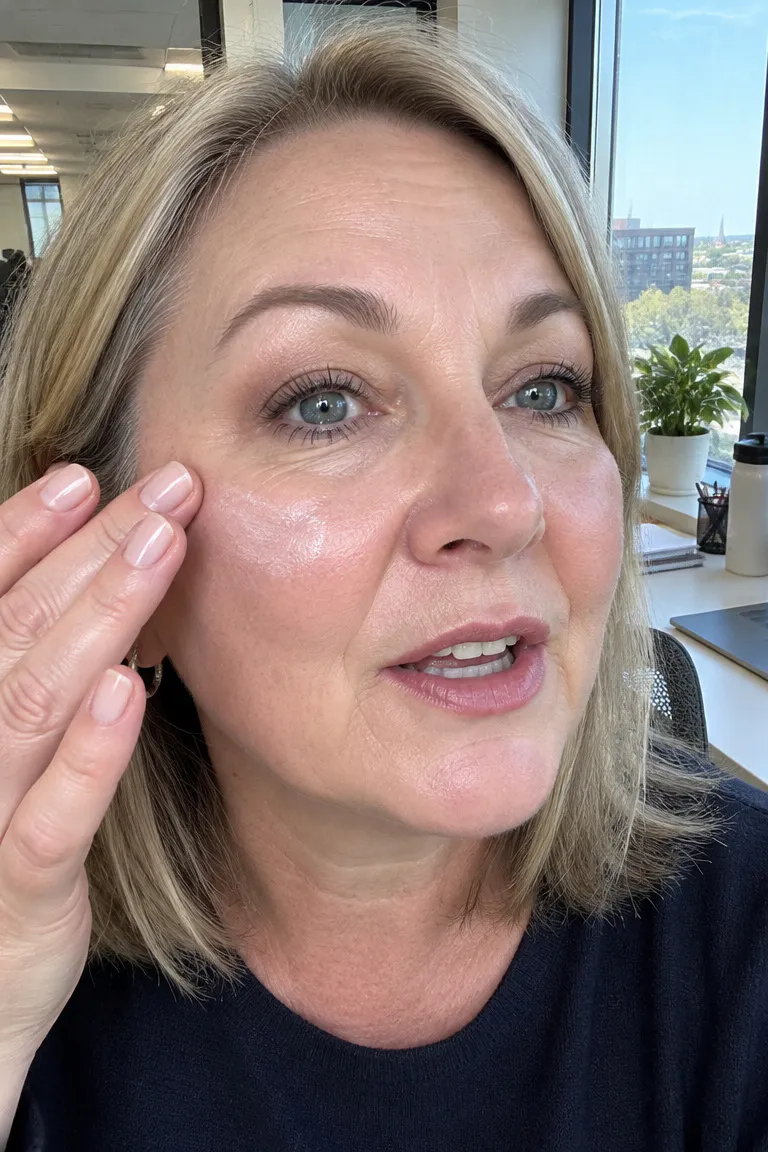
Rubbing primer across your face drags at crepey areas and can disturb the moisturizer underneath, which is a common cause of pilling. Pressing leaves a thinner, more even layer.
- Dot the primer onto your cheeks, forehead, and chin.
- With clean fingertips, pat outward from the center of your face.
- Go back over any spot that looks shiny or thick with lighter taps.
- Wait a minute or so, until the surface feels settled rather than wet.
Use that pause to do something else, like brushing your teeth or putting on earrings. Foundation applied over primer that’s still wet is the other easy way to get streaks.
6. Zone Your Primer

Plenty of mature skin is dry on the cheeks and shiny across the T-zone, and a single primer can’t handle both. Use a hydrating or luminous formula on the cheeks and around the eyes, and a blurring or lightly mattifying one only on the forehead, nose, and pores.
This is where matte belongs: small areas that really do get oily, not the whole face.
Apply the hydrating zones first, then the T-zone, so the more drying formula doesn’t spread onto the cheeks while you’re working. Keep a clean edge in mind and blend the two finishes where they meet, usually along the sides of the nose and the upper cheek. Two small amounts of product take about the same time as one big one.
7. Prime Smile and Forehead Lines

Before the full-face layer, press a very thin amount of primer into the lines beside your mouth and across your forehead. A ring finger works well because it’s the gentlest touch, and you can tap rather than swipe.
Blend the edges outward into bare skin so there’s no visible border. Then apply your regular primer over the rest of the face, overlapping slightly.
Be realistic about what this does. It helps foundation sit more evenly and softens how lines look, but it doesn’t fill or erase them. If foundation still gathers in a crease, use even less base there and press it in with a clean sponge rather than adding another coat.
8. Match Primer and Foundation Bases

Mismatched bases are a likely reason for pilling. A silicone-style primer generally pairs best with a silicone-style foundation, and a water-based primer with a water-based one.
Check the ingredient lists for words ending in ‘cone’ or ‘siloxane’ near the top. If both products have them, or neither does, you’re probably matched.
If pilling shows up, go in this order:
- Confirm the bases match using the ingredient lists
- Add a wait of a minute or more between primer and foundation
- Cut the primer to less than a pea-size amount
Test any new combination on an ordinary day, not before a wedding or a family photo.
9. Build Foundation in Thin Layers

One heavy coat of foundation settles into lines faster than two or three sheer ones. Dab a small amount onto a damp sponge and press it into the center of the face, then let that layer settle for a moment before you decide whether you need more.
A damp sponge presses base into skin instead of dragging it, which matters on crepey cheeks and the thin skin near the eyes. Wring the sponge out well so it’s damp, not wet.
Add the second layer only where you want more coverage, such as around the nose, on redness, or over spots. Leaving the outer cheeks and temples with the thinnest veil keeps them from looking heavy, and it’s a big part of why a base holds up longer through the day.
10. Pick a Skin-Like Base Shade

Skin tints, serum foundations, and tinted moisturizers tend to look lighter and more natural on mature skin, and cream formulas usually look better than powder ones. A shade that’s too light does the opposite of what you want, because it makes lines and shadows stand out.
If you’re building a glowing base on deeper skin, these makeup looks with shade notes for deeper skin include texture tips for dry or crepey areas.
Swatch check: Test three neighboring shades in a stripe along your jaw, near a window or outdoors. The right one disappears into your neck with no visible edge. Indoor store lighting, especially under fluorescents, can make a wrong shade look fine.
11. Check Your SPF Step
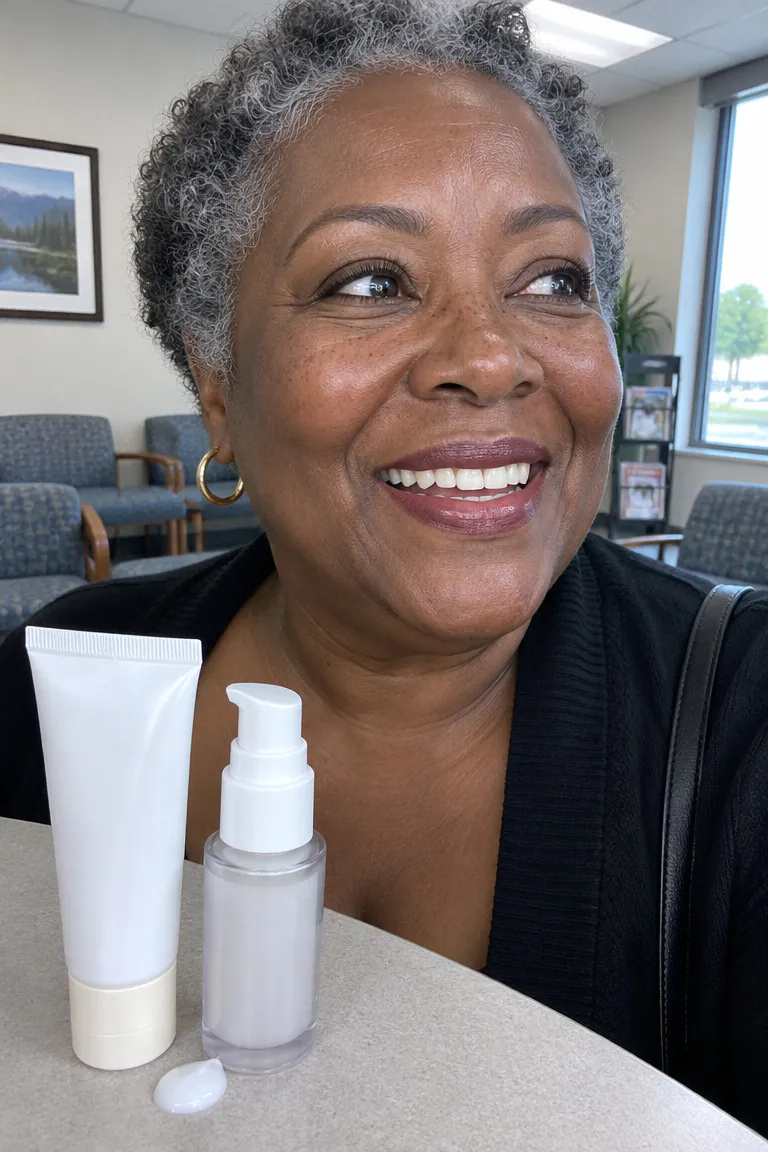
Some primers, including certain gel and putty formulas, have no SPF at all, and primer doesn’t take the place of sunscreen. Read the label on both your primer and your foundation before you assume you’re covered.
If neither one lists SPF, add sunscreen as its own step. Apply it after moisturizer, let it absorb before you reach for primer, and follow the directions on the bottle for how much to use.
Sunscreen is another layer that can pill, so the same rules apply: thin amounts, a wait, and a check that the textures get along. If one sunscreen keeps rolling up under makeup, try a lighter lotion or gel-style one rather than adding more primer.
12. Budget Putty Primer for Flushing

If this is you: your T-zone gets shiny by midday, or you deal with flushing and sweating. A lightweight putty-style primer, including drugstore versions, may suit that situation, and one UK source recommends them for this reason. It’s optional, not a rule for everyone, so skip it if your skin leans dry.
For a midday touch-up, keep it light:
- Blot shine in the T-zone with a blotting sheet or a clean tissue
- Skip extra powder, since a heavy layer can look dry and settle into lines
- Press a little leftover foundation from your fingertips onto any patch that has worn thin
Prices and formulas change, so recheck both before you buy, and note that links on this site may be affiliate links.
Test Your Routine Before a Big Day
Before a big day, run the whole routine on an ordinary morning: moisturizer, a one-minute wait, pea-size primer, thin foundation pressed in with a damp sponge. Check it in daylight around noon, and if anything pills, change only one step. Pack a blotting sheet and a small clean sponge for touch-ups.