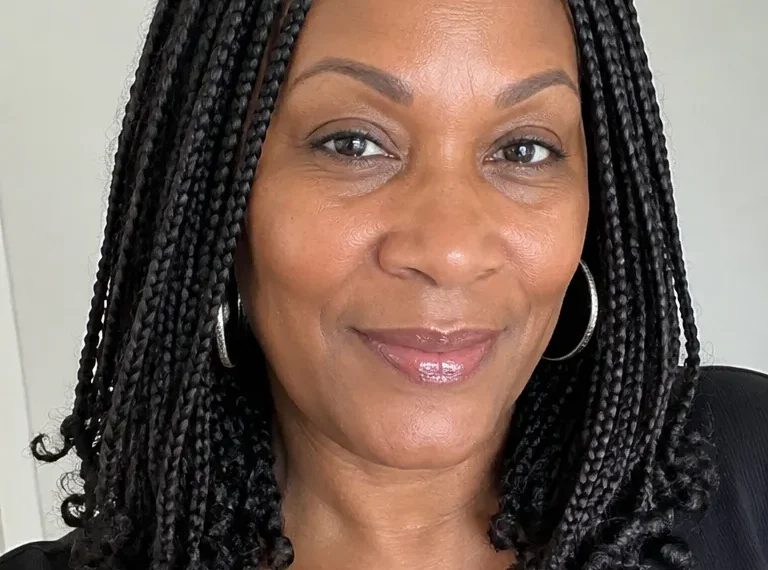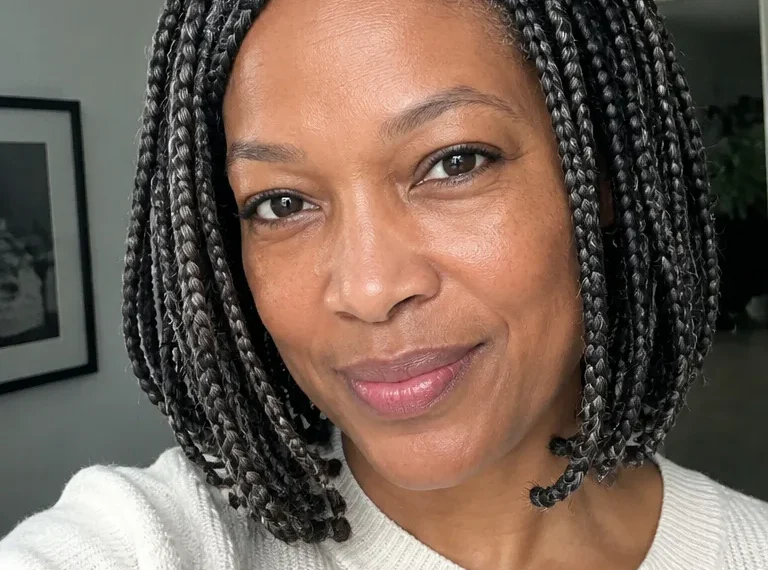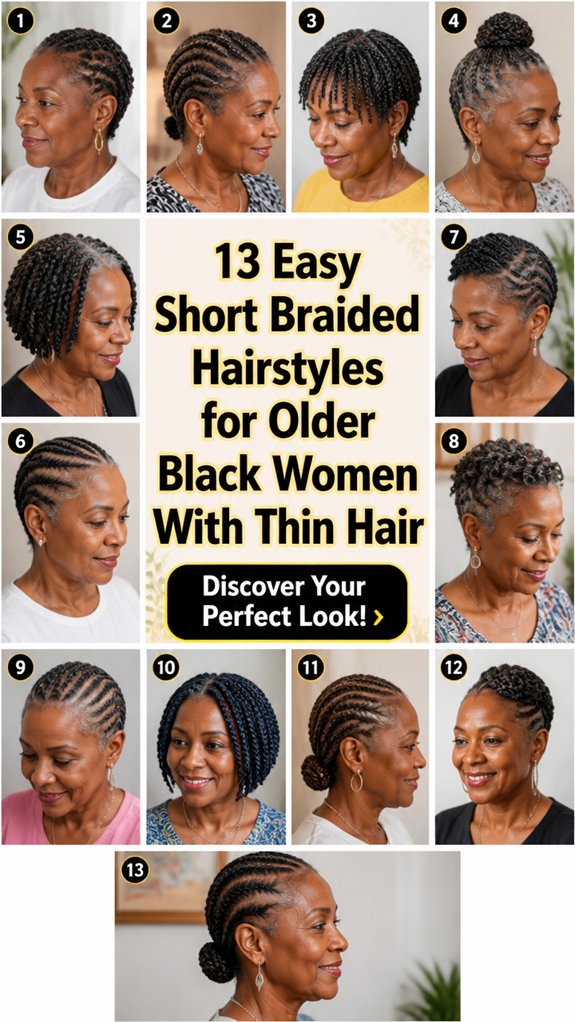
You can rock 13 easy short braided styles that protect thin edges and feel comfortable. Start with scalp-friendly parting, keep tension light, and choose knotless feed-in options, or micro twists for less tugging. Try short box braids denser at the hairline, crown braids with a soft arc, or side-swept braids for lift. Finish with a tiny bit of light gel, smooth edges with water, and seal flyaways with braid gloss. At night, wrap in satin and re-tuck loose pieces, so your braid life stays neat—and you’ll pick up even more tips.
How to Protect Thin Hairline With Short Braids
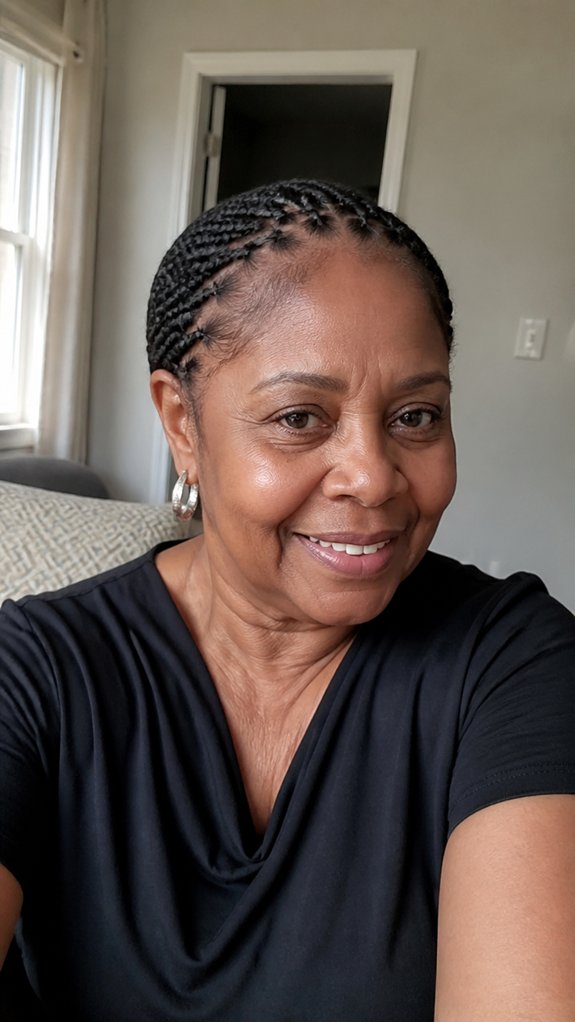
Protecting your thin hairline starts with choosing short braids that don’t tug, and you can do that with a few smart choices. Ask your stylist for lightweight, shorter lengths, and make sure braid tension stays gentle.
You protect your edges better when you space parts evenly, and when you secure ends with soft thread or beads. Before braiding, enjoy a few minutes of scalp massage, it boosts circulation and helps your scalp feel calm.
Afterward, wrap your hair at night with satin scarves, so friction stays low. You’ll look good, and you’ll feel cared for.
Choose the Best Parting for Short Braided Hairstyles
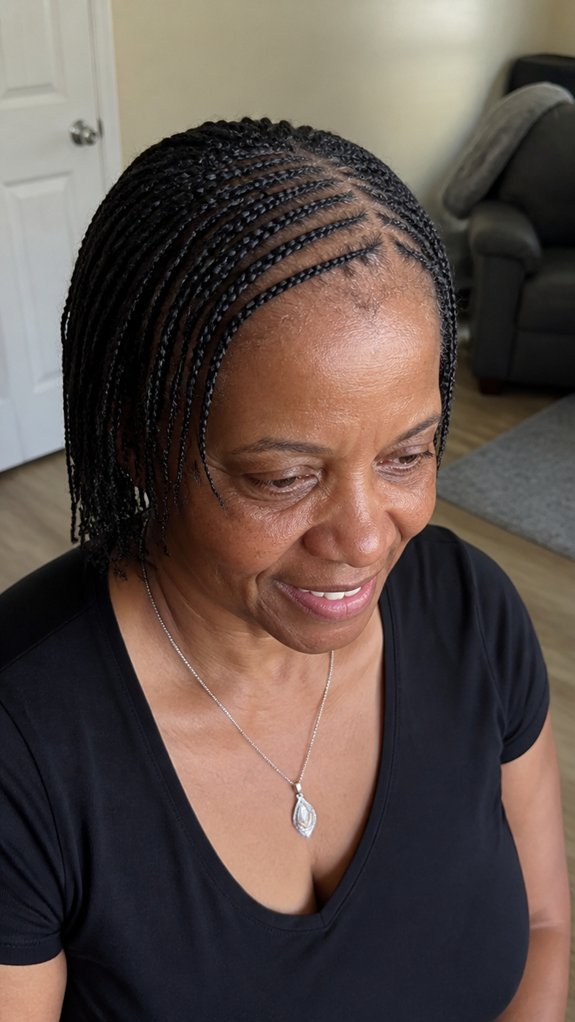
When you pick short braids, your parting pattern can make or break how your edges look and feel, so it’s worth choosing it on purpose.
Go slow, and choose a scalp friendly parting that follows your natural hair growth, keep tension light, and avoid big combed lines that tug.
For a soft, flattering frame, try an asymmetric parting, with one side slightly deeper, it helps thin areas look fuller.
If your hairline is sensitive, use smaller sections near the edges, then widen them a bit farther back. You’ll feel calmer, and your scalp will thank you.
Install Lightweight Micro Twists to Prevent Pulling
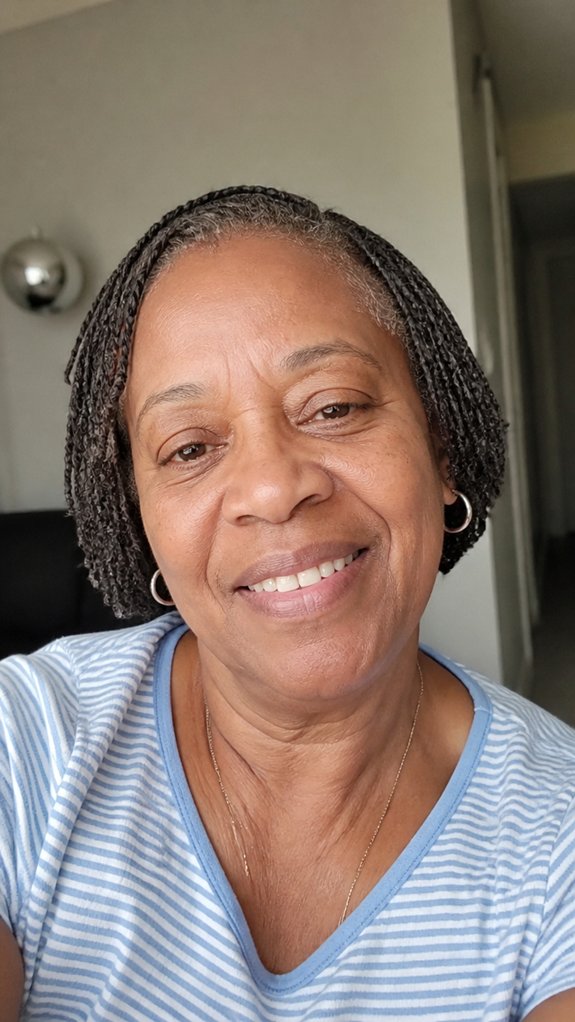
Now you can install lightweight micro twists, and you’ll feel the difference right away, because gentler installs put less strain on your edges.
As you work, use scalp friendly extensions, and make each twist small but comfortable, not tight. You should start with clean, moisturized hair, then section carefully, so your hands don’t tug.
When you add twist-ins, focus on tension free installation, keeping a soft root, and letting the hair breathe. If you feel pulling, stop, loosen, and re-align the section.
This way, your style lasts longer, and your edges stay protected, so you can enjoy the look up close.
Try Easy Short Box Braids With a Fuller Front
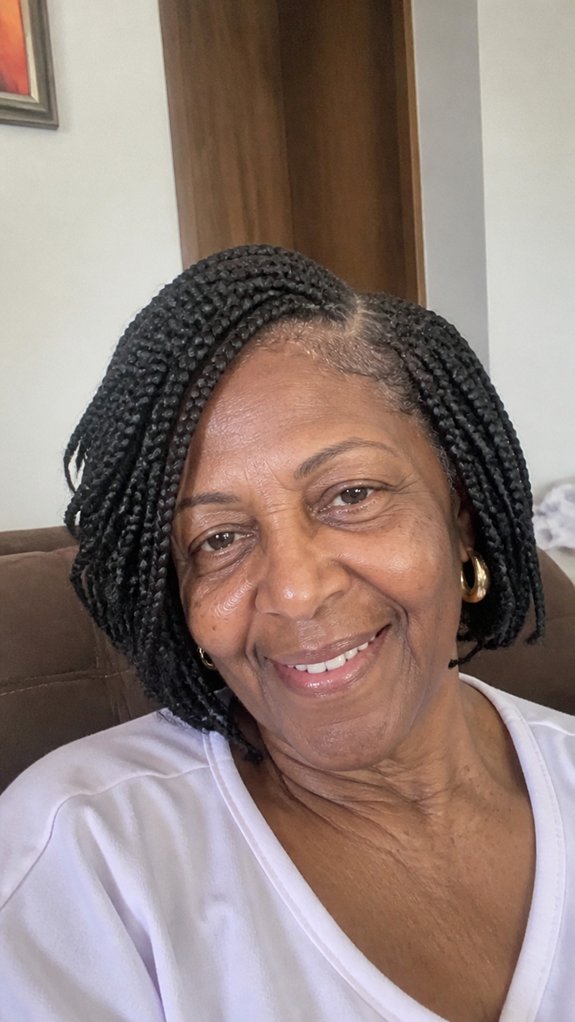
After you’ve felt how gentle installs help your edges with micro twists, you can keep that same mindful approach with easy short box braids that give you a fuller front. Think about placing braids slightly denser at the hairline, so your part looks naturally lush. You can tuck in baby bangs and blend them into a textured fringe, then frame your face with a few longer pieces. Choose a lightweight braid size, so thin hair doesn’t feel weighed down, and braid your roots snug but never tight. Finish with a soft edge gel, then enjoy how you look, and how it feels, all day.
Style Crown Braids to Flatter Smaller Hair Density
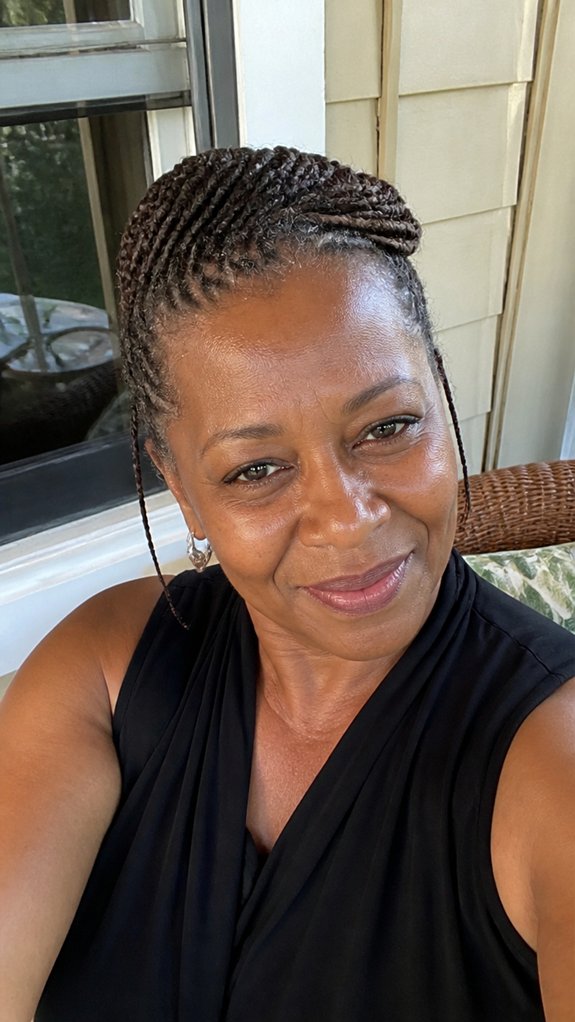
Crown braids can look gorgeous even when your hair density feels smaller, because you can strategically place the most texture right where your face frames your hairline.
You start by parting hair in a neat arc, then braid only a few sections at the top, so your scalp still feels breathable.
Keep the braid line close to your roots for a clean lift, and use soft crowns that hug your head instead of pulling tight.
For a natural finish, ask for tapered edges at the sides, so the braids blend into your thinner areas.
Finish with a light mist for shine, and you’ll love the framing.
Get a Braided Bob Look Without Heavy Weight
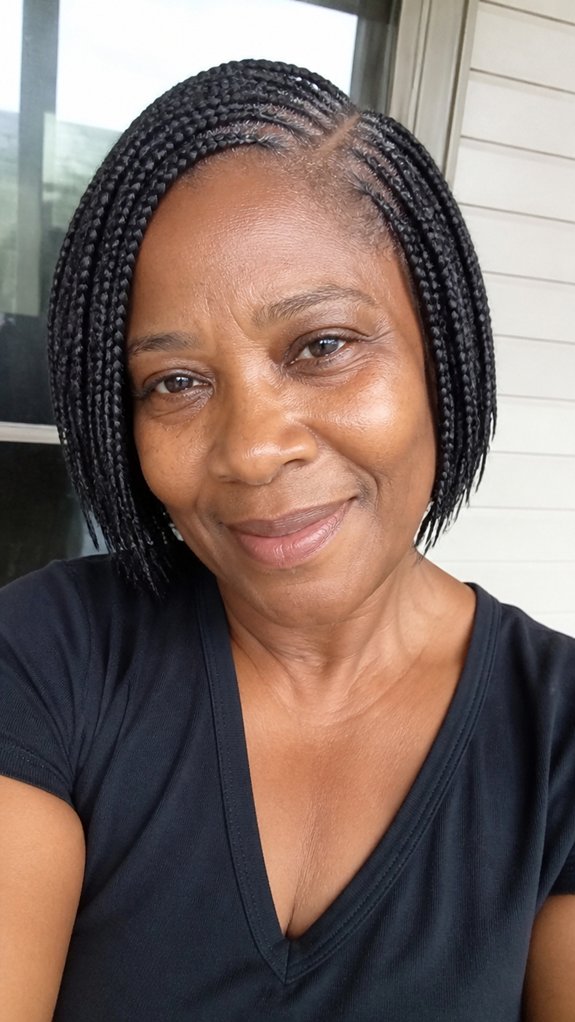
If you want a braided bob without the heavy feel, you can still get a polished, lifted look, even when your hair feels fine.
Ask your stylist for a braided halo that sits close at the top, then keep the braid size light, so you won’t feel weighed down.
Next, request a clean part, and secure with soft bands, not tight tension.
For extra comfort, you can add a tapered nape, where the braids gradually shorten at the back.
This shape flatters your neck, and it blends smoothly, so your bob looks full, airy, and confident all day.
Add Feed-In Braids for Easy Blending on Thin Hair
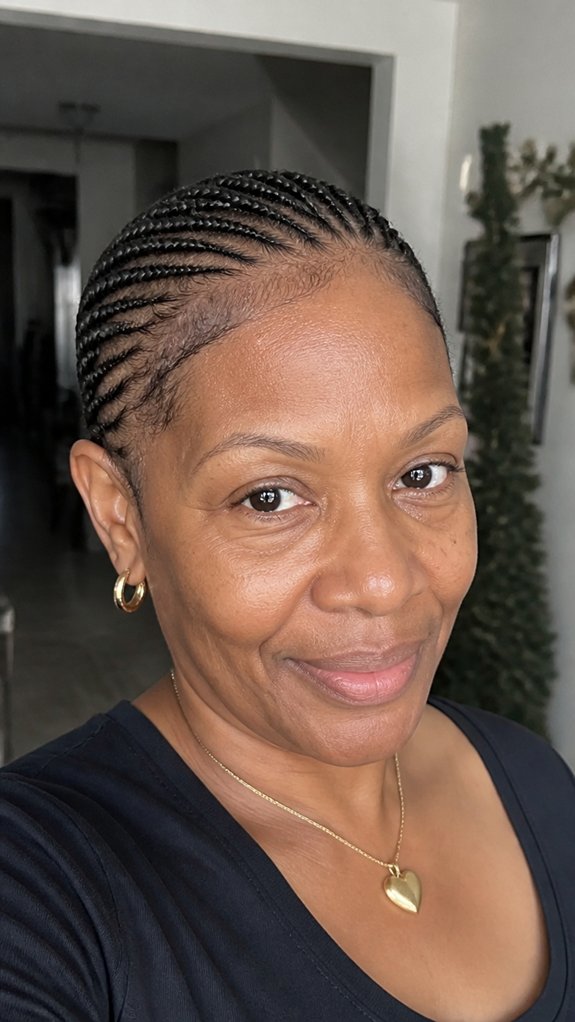
Add feed-in braids when you want a seamless blend on thin hair, because they let you build length and fullness gradually, without forcing heavy bulk right at the scalp.
Start with your own small sections, then braid in extensions a little at a time, keeping tension gentle. This scalp friendly technique helps your roots feel comfortable, while you still get that neat, close-to-the-head finish.
As you go, you blend extensions by matching your braid size to your natural hair, so shifts disappear. If you want extra volume at the ends, add a bit more mid-shaft, not at the crown. You’ll love how natural it feels.
Choose Goddess Braids That Sit Flat on the Scalp
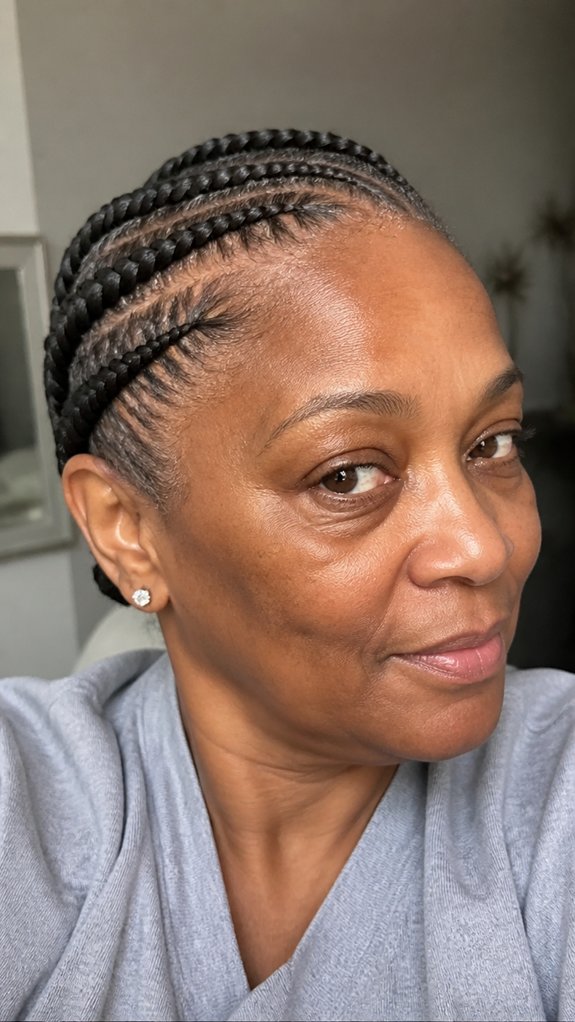
When you choose goddess braids that sit flat on your scalp, you protect your thin hair from feeling tugged and tight, and you get a look that stays neat for weeks.
Start with scalp safe partings, keep them clean and even, and place them with intention. You want flat cornrow placements along your hairline, not raised rows that press or rub.
As you braid, stay mindful, you control tension, and you guide each section gently into position. If you feel pulling, you stop, adjust, and re-secure. This keeps your scalp calm, and your braids beautifully aligned.
Wear Knotless Braids for Less Tension and More Hold
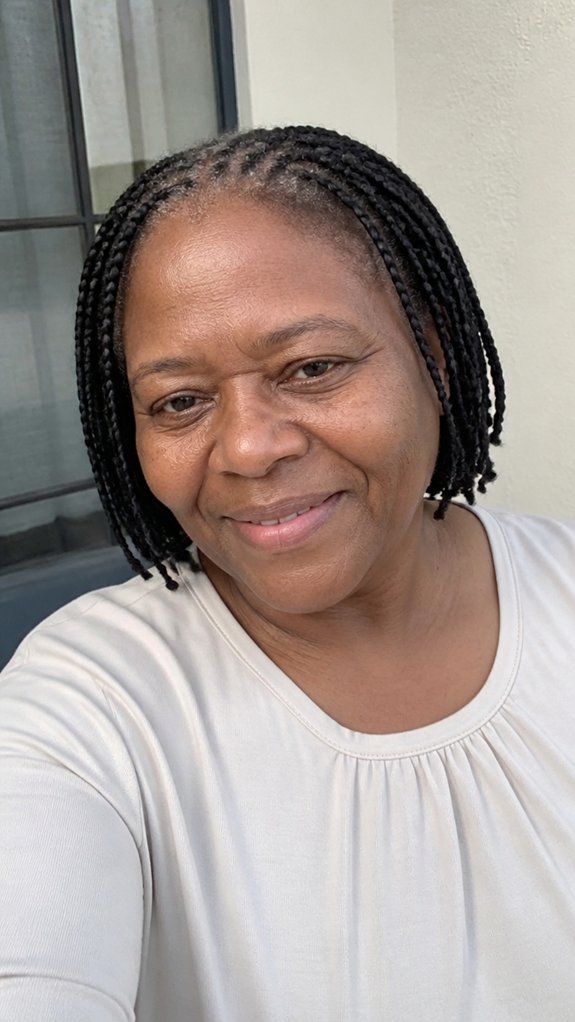
Knotless braids can be a game changer for thin hair, because they start with your own hair instead of bulky extensions at the roots.
You feel less tugging when you choose tension free installation, where the braid feeds in gradually, and your scalp stays calm.
Focus on scalp friendly techniques, like gentle parting, careful braid sizing, and keeping the tension light at every row.
When you do this, the braids hold better, they look smoother, and your edges get a break, so you can enjoy your style longer, and feel confident, close up.
Create Side-Swept Braids for a Lifted Face Shape
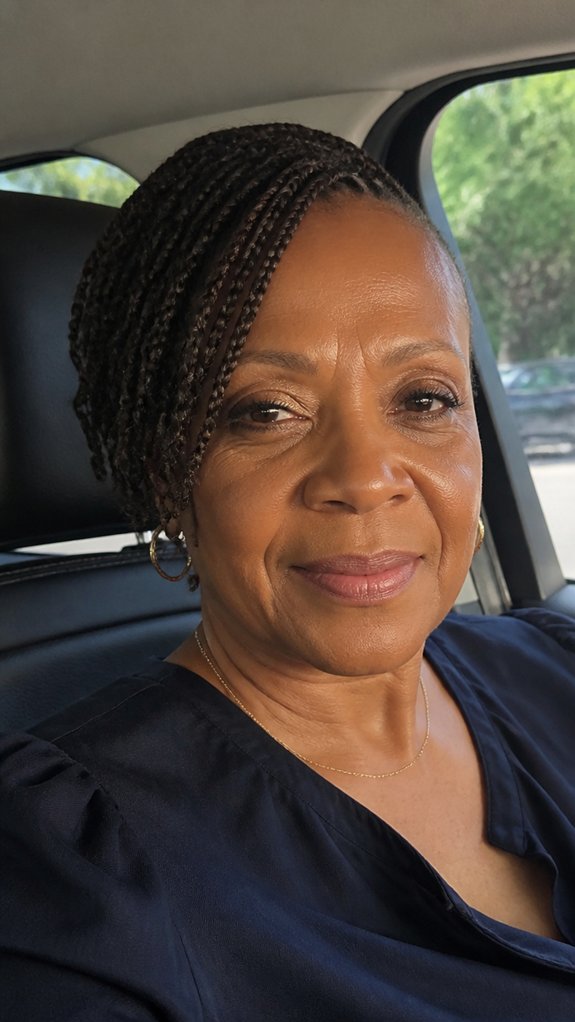
Side-swept braids can instantly lift your look, and you’ll love how they frame your face without needing extreme volume.
Start by parting your hair slightly off-center, then braid short sections so they sweep across your forehead. Keep your tension gentle, especially near the hairline, so you protect thin edges and stay comfortable.
For extra face lifting, angle the braids upward at the crown, and let the ends fall softly to the side. Use soft sweeps by blending a few braids over the cheekbone, pinning lightly to secure.
Finish with a light mousse, then shine, not stiffness.
Use Braided Headbands and Half-Up Styles for Volume
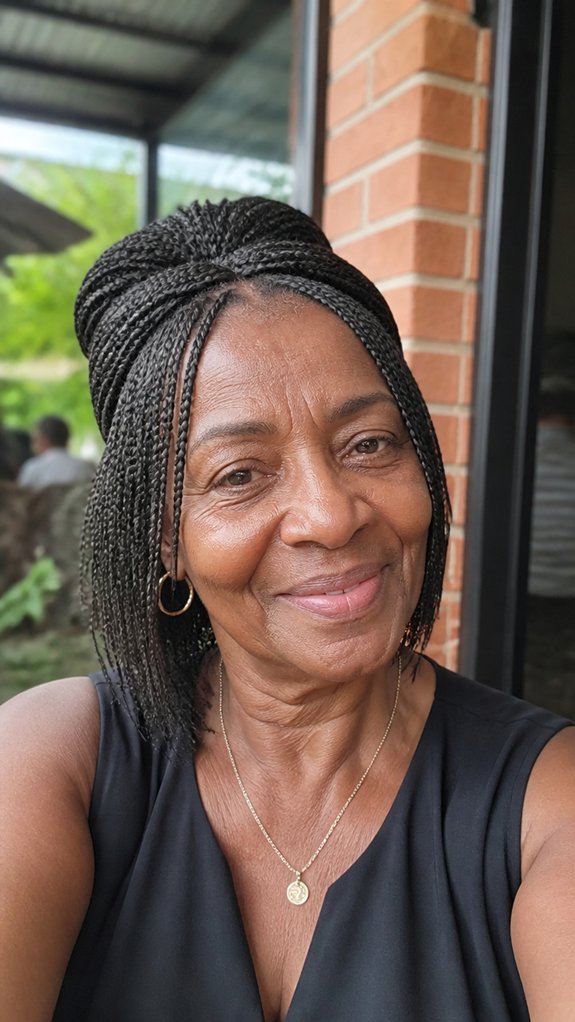
Braided headbands and half-up styles give your hair extra lift, without demanding heavy braids all over your head.
You can start by parting your hair slightly off-center, then pull the top section back.
Create soft, braided crowns over the crown area, and secure them gently so thin strands feel supported, not squeezed.
If your hair is short, slide in headband extensions, then blend them with your natural braids using a few discreet pins.
For volume, try a half-up style, twist the sides back, and set them with light gel.
Finish with a satin scarf at night.
Learn Simple Retwist-and-Braid Maintenance Every 2–4 Weeks
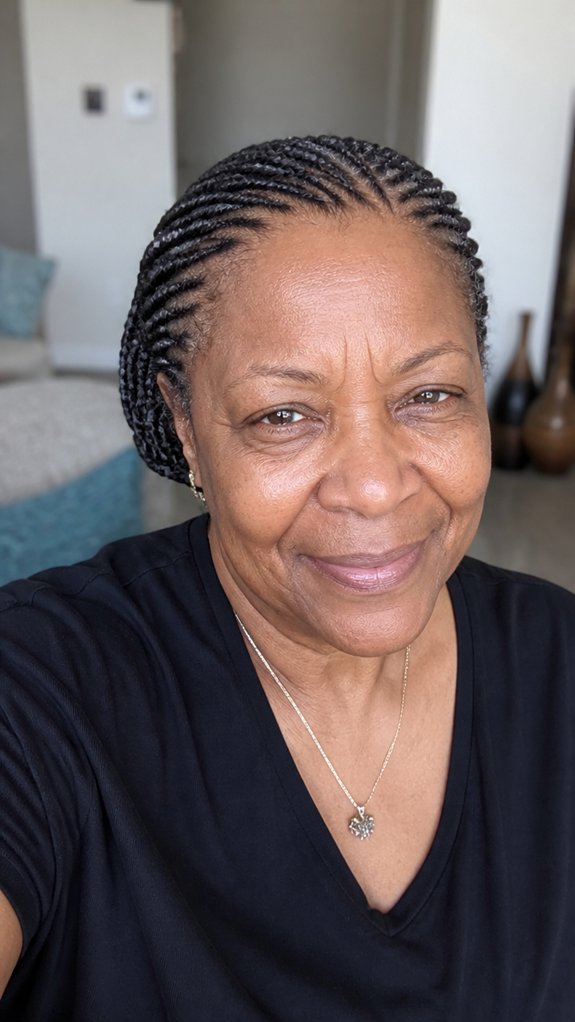
Once you’ve added volume with braided headbands and half-up styles, keep everything looking fresh by learning simple retwist-and-braid maintenance every 2–4 weeks. You’ll love how calm and controlled your style feels when you do a quick check.
First, use gentle scalp exfoliation with a soft scrubber, never harsh. Then, lightly retwist only the roots that look fuzzy or frizzy, working small sections at a time. Add a light braid spray or moisturizer to your fingertips, so you don’t soak your hair. Before bed, cover with a satin bonnet, smooth side down, and keep edges protected.
Fix Loose Braids and Frizz Fast With Thin-Hair Styling Tips
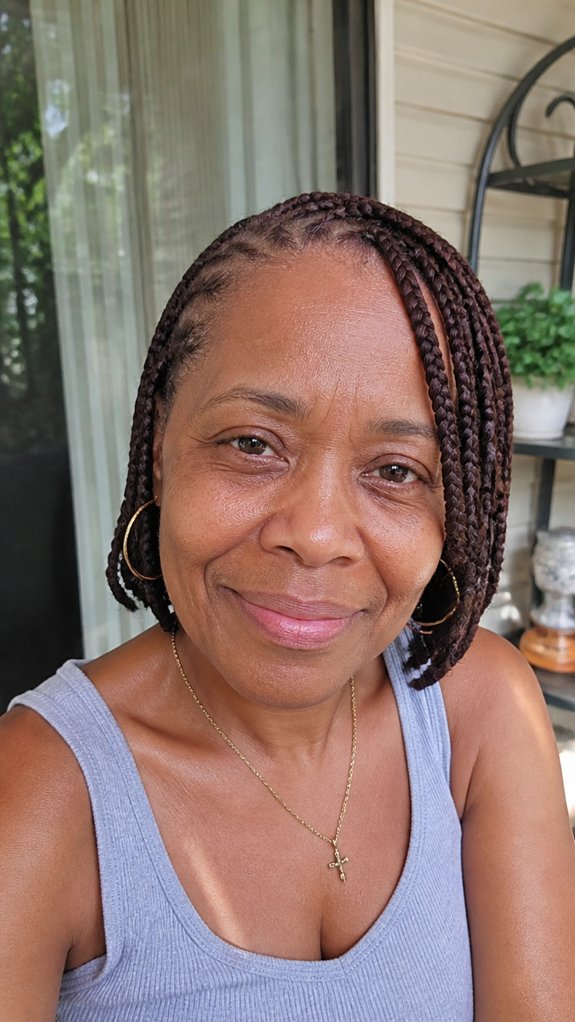
You can fix loose braids and frizz fast, and you don’t need to redo everything.
First, smooth the edges of the braid with a light spray of water, then seal flyaways with a tiny bit of braid gloss or gel.
Next, use dry scarf techniques, wrap a soft scarf over your braids for 10 to 15 minutes, and let it tame the frizz while you relax.
If braids feel snaggy, try elastic friendly detangling, use your fingers to loosen near the scalp, then detangle from ends upward.
Finally, re-tuck any loose pieces, and touch up with a small braid tie.