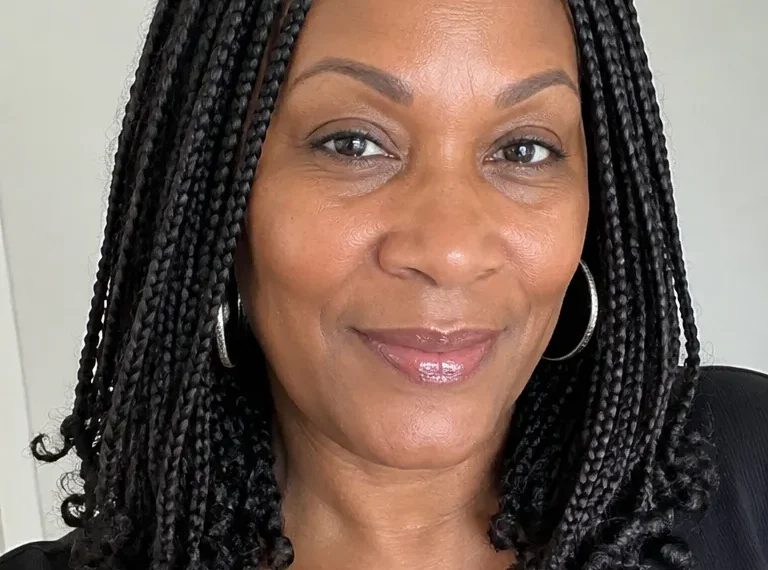
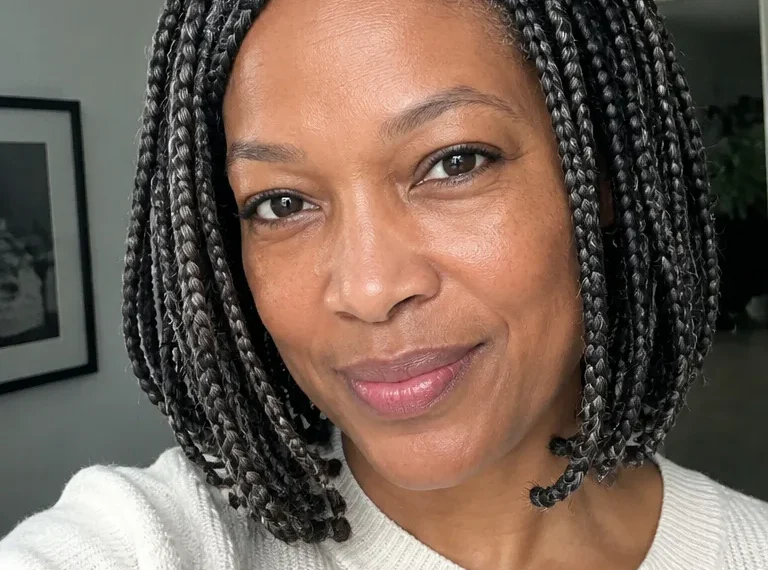
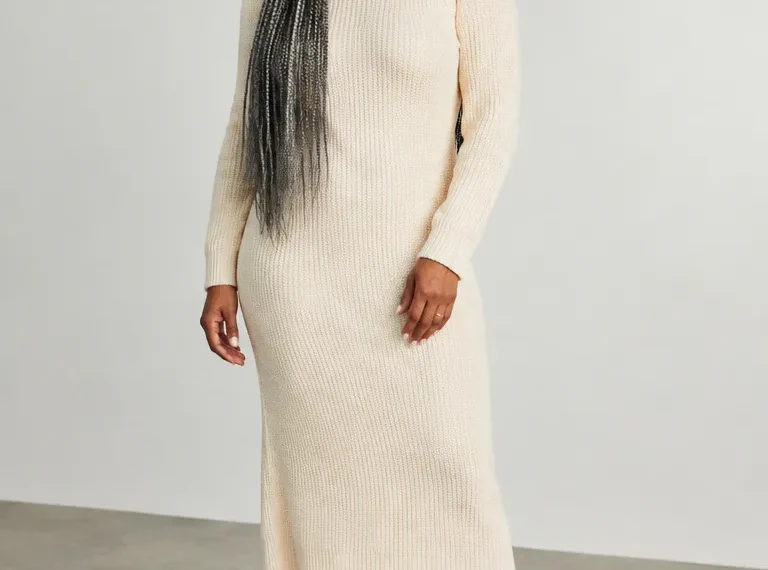
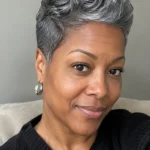
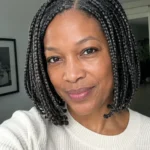
You can protect your hair after 50 with 15 low-tension styles, starting with soft box braids, knotless braids, and classic twists that keep ends sealed and tension light. Try two-strand flat twists, Senegalese twists, faux locs, and bantu knots for defined texture without heat. For easy, gentle options, choose crown braids, braided bun wraps, small crochet braids, and lightweight extensions. Finish with breathable wig or wrap styles, then keep moisture up, comfort steady, and removal safe so your hair stays strong—keep going to learn more.
Choose Protective Hairstyles That Reduce Breakage

Start by choosing protective hairstyles that reduce breakage, because your hair needs fewer stress points and more consistent moisture.
When you pick styles like low manipulation twists, braid-outs with gentle tension, or a simple updo, you keep your ends safer, and your scalp feels calmer.
You also want to support growth from underneath, so consider scalp strengthening supplements, choose formulas your doctor approves, and stay consistent.
Pair your routine with silk satin accessories, like a bonnet or pillowcase, because they help reduce friction while you sleep.
As you move through your days, you’ll notice less shedding, more softness, and stronger strands.
Pick the Best Protective Style for Your Texture

Pick a protective style that matches your natural texture, because the right fit reduces tension and helps your hair hold onto moisture.
Start by looking at your curl pattern, then choose styles that blend naturally, like twists or braid-outs that mimic your shape.
Next, do a density match, if your hair is fine, go lighter so your scalp can breathe, and if it’s thick, pick fuller options without pulling.
Pay attention to scalp sensitivity, keep installs gentle, and avoid tight edges.
Finally, honor length considerations, choose styles that let your ends stay protected and you feel confident when you move.
Install Soft Box Braids for Easy Everyday Wear

Install soft box braids for easy everyday wear by choosing a braid size that feels light on your scalp, because comfort matters as much as style.
You want soft braids that move naturally when you turn your head, so you can wear them to errands, work, and dinner without tension.
Start with clean, moisturized hair, then part sections evenly, and braid in small anchors for a secure hold.
When you finish, dip ends lightly or seal them, so they don’t fray.
For gentle maintenance, mist your scalp, and smooth a little oil on roots, as needed.
Try Knotless Braids for a Scalp-Friendly Fit

Knotless braids give you a comfortable, scalp-friendly install by starting with your natural hair, then adding extensions gradually, so you avoid that heavy pull at the roots. As your stylist feeds in each section, you keep your edges happier, and you can breathe easier.
Before the first row, ask for a gentle scalp massage, then let the tension stay light. Choose lightweight extensions, so your braid pattern feels airy, and your neck doesn’t feel weighed down. You’ll notice your parts lay flatter, too, and your scalp stays calm, even after long days.
Wear Classic Twists for Moisture and Flexibility

Classic twists give you a simple way to protect your hair, while you keep it moisturized and flexible.
You start by deep conditioning, then you apply a leave-in, sealing it with a light oil or butter for moisture retention.
You twist in sections that fit your comfort, not too tight, so your scalp feels calm and your ends stay neat.
As you go, smooth each twist, then palm-roll gently to encourage flexible styling without frizz.
When you finish, you cover your hair with a satin scarf at night.
You’ll notice softer texture, less breakage, and easy touch-ups during the week.
Create Two-Strand Flat Twists for Near-Sleek Edges

When you want near-sleek edges without sacrificing protection, two-strand flat twists are a smart choice. Start with clean, moisturized hair, then decide on your parting technique, because neat lines make everything look smooth.
Apply a light edge gel, and use edge smoothing with your fingertips, so your hair lays down close. Section small strips along your hairline, twist two strands tight but not painful, and keep tension even from root to end.
Secure each twist with a pin or small band, then repeat toward the back. You’ll feel held, looking polished, and ready for compliments.
Style Senegalese Twists for Low-Maintenance Length

Senegalese twists give you length that looks full, and they stay neat with far less daily effort.
You style them by parting clean sections, then twisting from root to end, so each strand hugs your scalp comfortably.
For senegalese care, prep with a light leave-in, and seal only the ends, keep your roots airy.
Choose lightweight length, so the style doesn’t feel heavy or pull when you move.
After installation, mist your scalp with a diluted spray, and use a soft cloth to dry.
At night, cover with a satin scarf, then enjoy calm, low-maintenance fullness.
Try Short Crochet Braids for Quick, Gentle Styling

Try short crochet braids whenever you want a protective style that goes on fast, and still feels gentle on your scalp.
You can choose a shorter length, so your shoulders get relief, and your routine stays easy.
Ask your stylist for gentle installation, with soft braiding tracks and careful knotting, so you don’t feel tugging later.
Use scalp friendly parting, meaning clean, spaced sections, not tight crossovers.
When you apply, keep your edges covered but not pressed, and check for even weight.
Afterward, mist your scalp lightly, and enjoy a fresh look that lasts.
Rock a Crown Braid Style for Minimal Tension

You can rock a crown braid style that keeps tension low, and still looks polished every time you step out.
To start, part your hair in a clean circle, and gather small sections as you braid around the crown. Keep your hands relaxed, you want even pressure, not pulling.
Before you secure each braid, do a gentle scalp massage with your fingertips, then smooth the hair. Use lightweight edge control to hold baby hairs, but apply a thin layer, so your scalp can breathe.
When you finish, mist lightly, then tuck ends securely for comfort.
Add a Braided Bun for an Elegant Protective Updo

Once you’ve got your crown braids laying flat and feeling comfortable, you can level up the look with a braided bun that feels elegant, stays protective, and works for everyday wear.
Gather the ends of your crown braids, twist them gently, then wrap them into a neat bun at the back or crown. Secure with soft pins and a light braid-friendly elastic, so you don’t tug at your edges.
Smooth on a little edge control, then wrap with a satin scarf. You’ll love the braided elegance, and you’ll get updo longevity you can feel, right away.
Choose Bantu Knots for Defined Texture Without Heat

Bantu knots give you defined, bouncy texture without using heat, so you can protect your curls and keep your style looking fresh.
You start by sectioning damp, detangled hair, then you twist each section into a knot close to the scalp.
As you go, you gently do a scalp massage to boost comfort and help the hair lay evenly.
Let the knots dry fully, then take them down carefully, finger-combing for soft volume.
For an overnight setting, cover with a satin scarf, and mist lightly if needed.
You’ll wake up with texture, not frizz.
Use Faux Locs for Versatile Protective Volume

Create a bold, protective look with faux locs, because they give you volume and definition without stressing your natural hair.
You slip in faux locs using lightweight extensions, then you part your hair neatly, and secure the base close to your scalp.
For versatile styling, you can switch from side-swept to half-up, and even tuck the ends for a softer shape.
To keep them fresh, you practice color safe maintenance, using gentle shampoo, lukewarm water, and a light oil on your scalp.
You mist your locs lightly, and let them dry fully, so they stay bouncy and clean.
Opt for Wig or Wrap Styles for Maximum Hair Rest

For maximum hair rest, you can lean into wig or wrap styles, because they protect your natural hair while still giving you a polished look.
You tuck your edges gently, then cover your hair with a satin-lined cap or a well-fitted wig. This reduces friction, and it helps you avoid constant touching, which lets your strands and scalp breathe.
If you wear wigs, you choose options with lace ventilation, so heat and moisture don’t build up under the hairline.
Between wears, you do a gentle scalp detox, keeping your roots clean and comfortable. You’ll feel cared for, and your style stays fresh.
Maintain Protective Hairstyles With the Right Moisture Routine

Maintaining protective hairstyles gets easier once you lock in a simple moisture routine, and you do it consistently.
Start by spritzing your scalp lightly with water or a gentle mist, then apply a lightweight leave-in so your roots stay comfortable, not dry.
If your hair feels thirsty, add scalp steaming once a week, letting warm steam loosen buildup and bring softness back.
After each moisturizing session, do daily sealing, using a small amount of oil or butter to keep moisture in. Pay attention to edges and parts, reapply as needed.
When you care like this, your style stays fresh, and you feel confident.
Remove Protective Styles Safely to Prevent Damage

When it’s time to take out your protective style, you want to do it slowly, because rushing is what causes breakage and thinning. Your fingers deserve patience.
First, soften the hair with warm water and a light conditioner, then work in small sections. As you remove bands or twists, don’t yank, instead use gentle detangling with your fingertips, starting at the ends and moving upward.
When your hair is free, give your scalp a calming scalp massage, using your fingertips, not your nails. Finish by rinsing, then apply moisturizer and seal lightly, so your roots feel loved again, not stressed.